
 English
 中文简体
中文简体 日本語
日本語 Español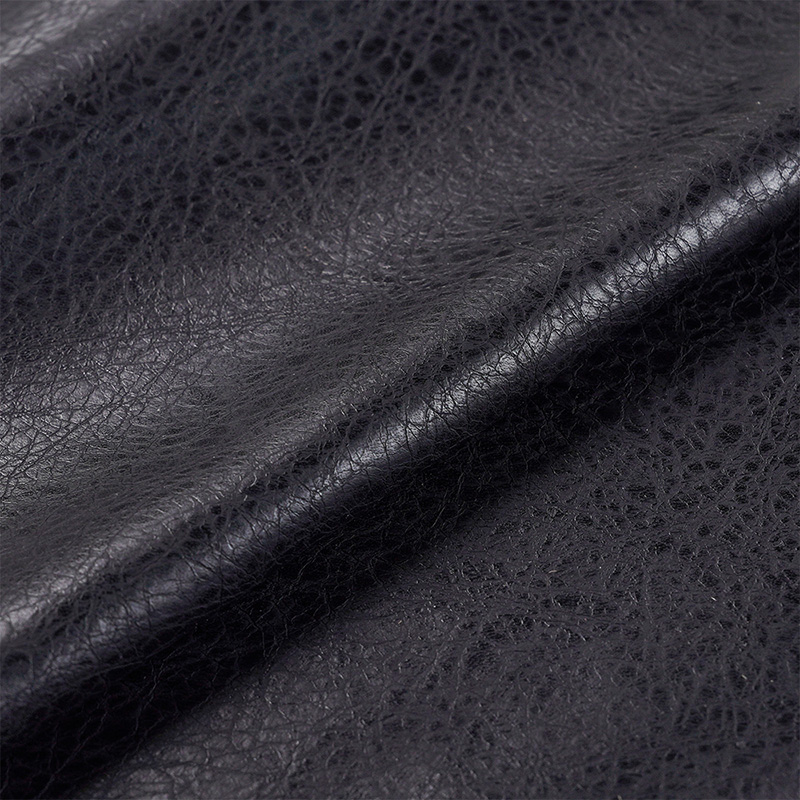
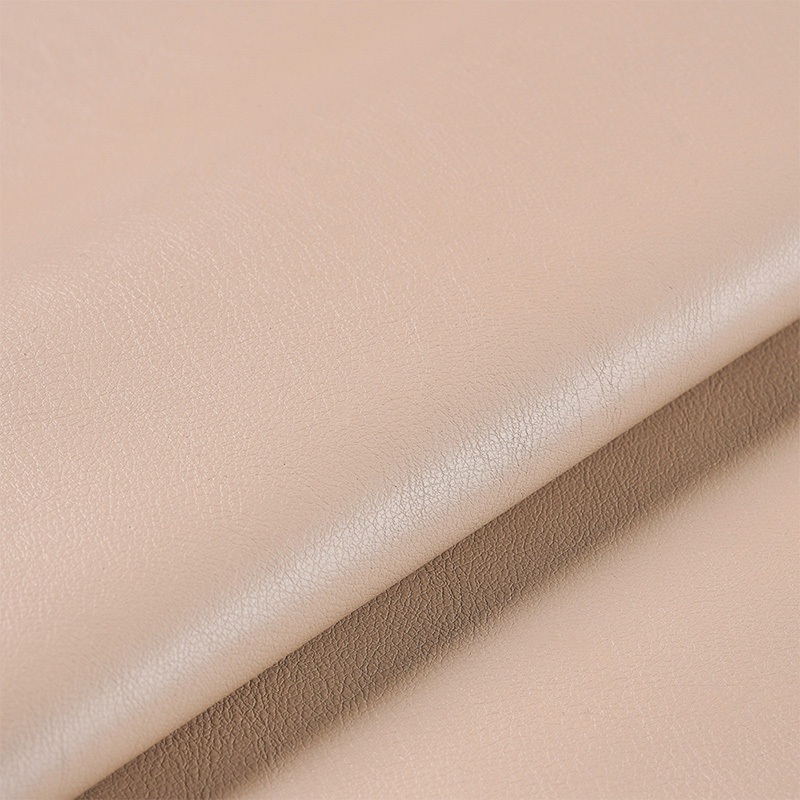
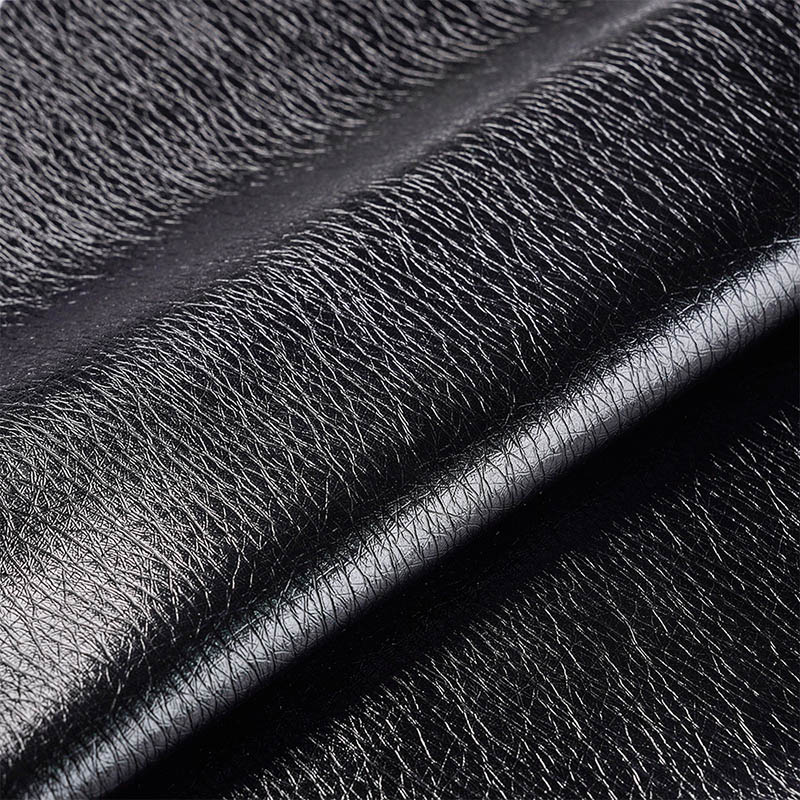
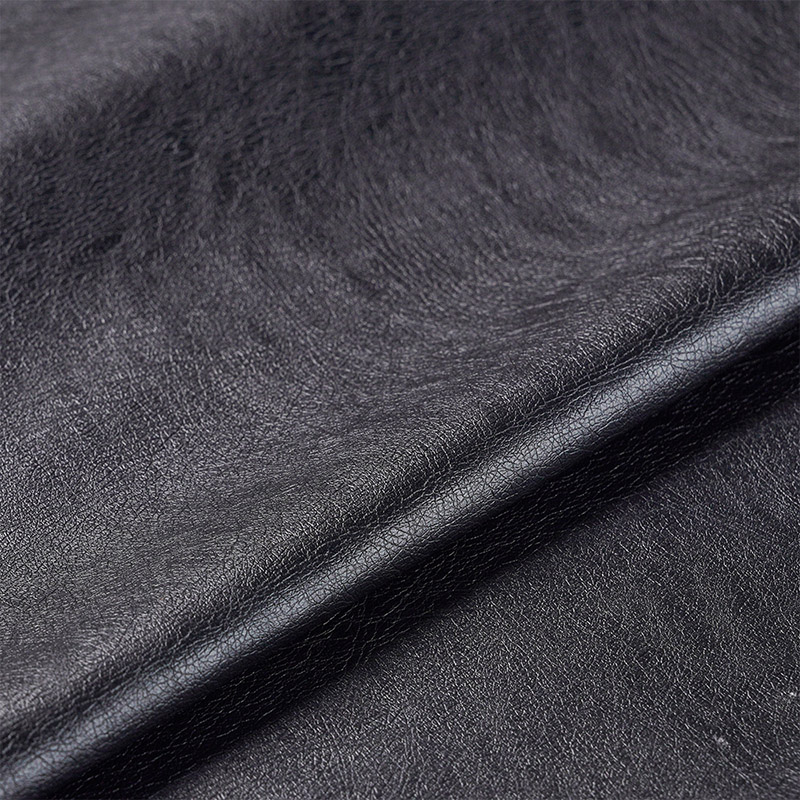
ZAKER is a China Ultra-Soft Leatherette suppliers and wholesale Ultra-Soft Leatherette factory. Leveraging a modern production base of nearly 50,000 square meters and over 100 patent technologies, it focuses on the exploration of low-pollution, plant-based, and recyclable new materials, continuously promoting the green transformation of the industry, and through its independent innovation technology platform, forming a diversified product system centered on water-based synthetic leather, biogenic synthetic leather, and functional high-end coating materials, which are widely applied in fashion clothing, luggage, shoe materials, home furniture, automotive interiors, consumer electronics, and other fields.
About
Zhejiang ZAKER New Material Technology Co., Ltd.
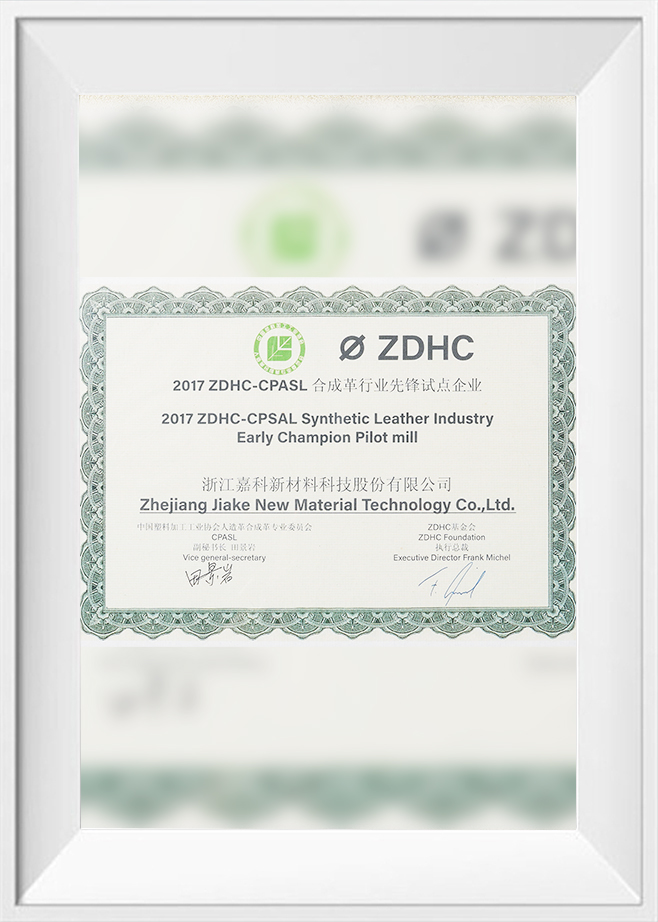
Certificate Of Honor
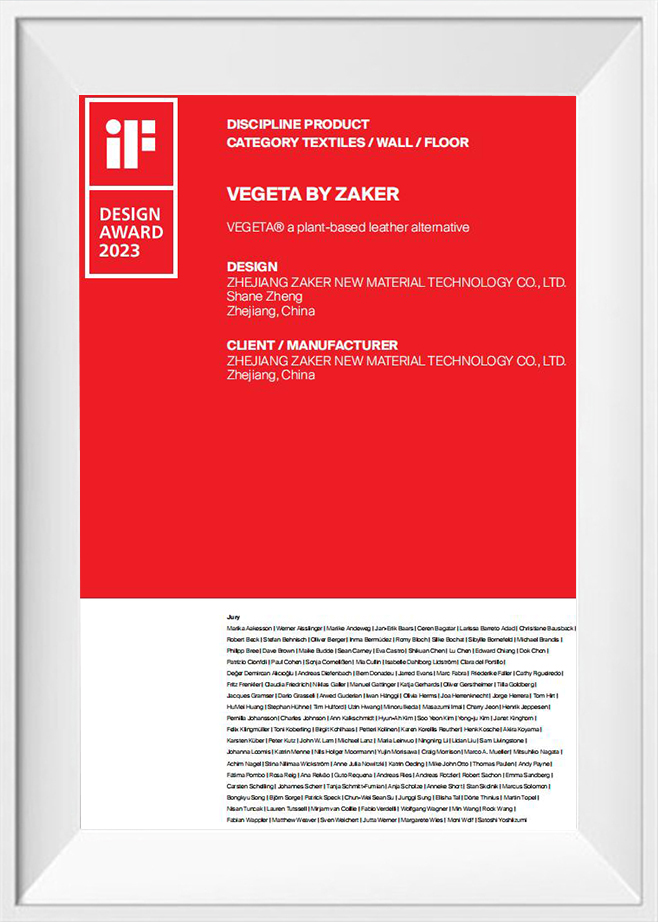
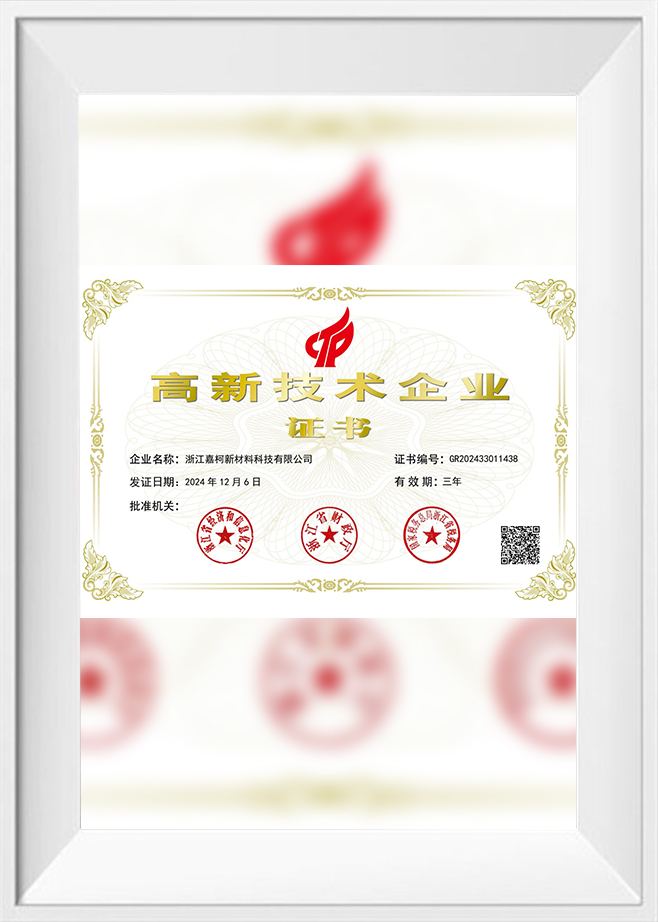
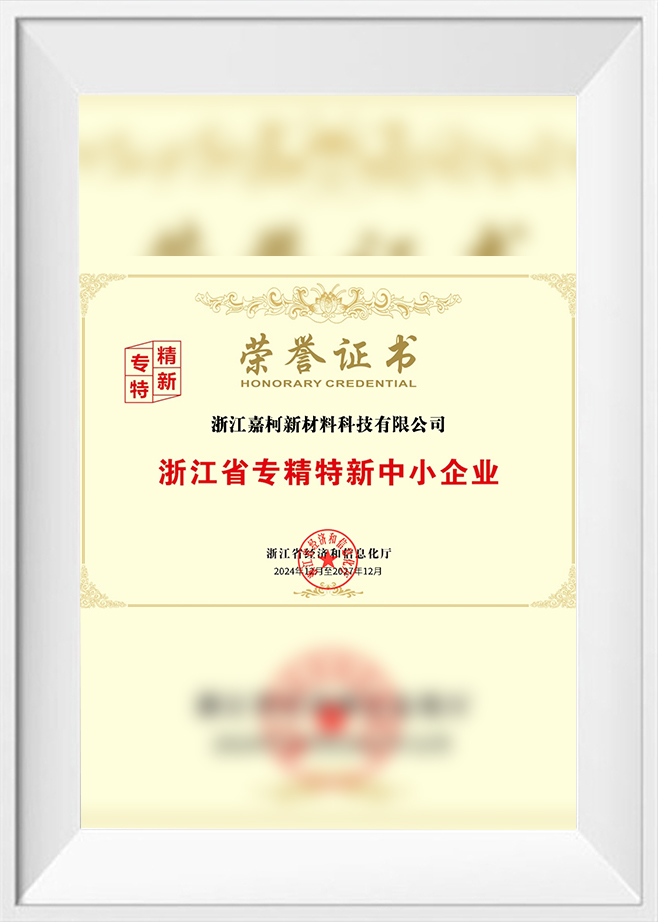
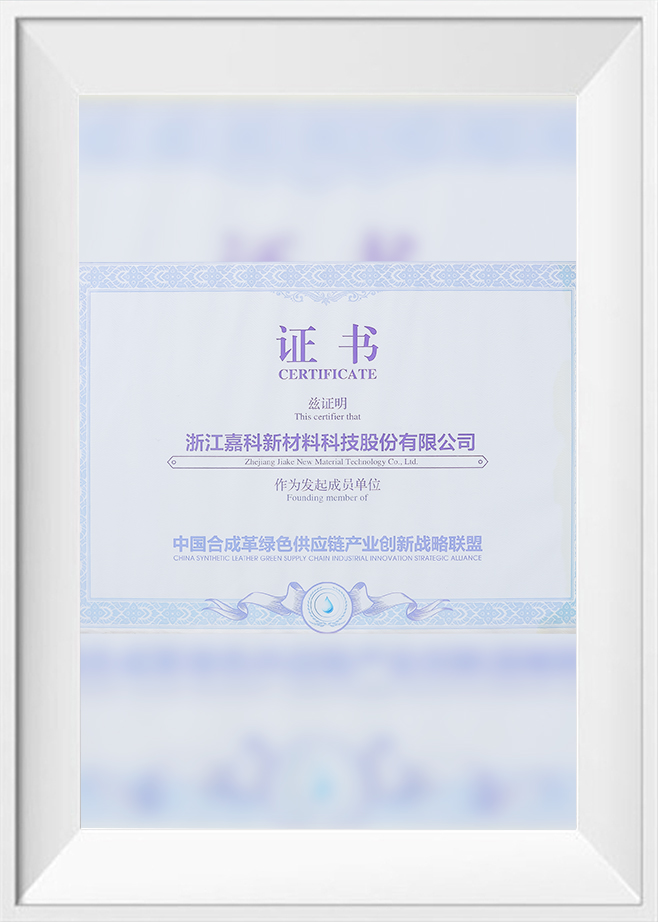
Message Feedback
Update News And Events
-
2026.10.16How Should Buyers Test Bio-Based Leatherette Before Moving to Production?A material sample can look promising in the showroom and still create unexpected problems during production. For companies developing automotive interiors, furniture, footwear, bag
-
2026.10.09Should Buyers Look Beyond the Bio-Based Label When Choosing Leatherette?The move toward bio-based materials is creating new options for automotive interiors, furniture, footwear, bags, and other applications that traditionally rely on leather or synthe
-
2026.09.30ZAKER: How Does the Traceability System Penetrate the Supply Chain?ZAKER The compliance requirements for global supply chains keep escalating. Downstream brands in apparel, luggage, automotive interiors, home furnishings and other sectors are impo
-
2026.09.30ZAKER: A Differentiated Path for Plant-Based Leather in New Energy VehiclesThe new energy vehicle industry continues to iterate at high speed, with the race toward electrification and intelligence now entering its second half. Today, when consumers choose
-
2026.10.02Can Bio-Based Leatherette Meet the Performance Demands of Modern Products?For buyers sourcing materials for automotive interiors, furniture, footwear, bags, and other consumer products, sustainability is increasingly being considered alongside durability
Ultra-Soft Leatherette and Soft Vegan Leather: The Shift Toward Softer, More Comfortable Material Solutions
The way people evaluate synthetic leather has changed noticeably over the past few years. Durability still matters, but it is no longer the only priority. Whether in handbags, furniture, automotive interiors, or lifestyle products, buyers now pay much closer attention to how a material feels in everyday use.
This change has driven growing interest in Ultra-Soft Leatherette, Soft Synthetic Leather, and Soft Vegan Leather. These materials are designed not only to imitate the appearance of natural leather, but also to deliver a softer touch, improved flexibility, and a more refined user experience.
For manufacturers and brands, softness is becoming part of product value rather than simply a material characteristic.
What Is Ultra-Soft Leatherette?
Ultra-soft leatherette is a type of synthetic leather developed to create a smoother, more flexible surface feel than traditional artificial leather materials. It is commonly used in products where comfort, appearance, and touch are equally important.
Most ultra-soft leatherette materials are produced using polyurethane-based coating systems combined with flexible backing fabrics or microfiber structures. Compared with older synthetic materials, newer formulations feel less rigid and more natural in hand.
In many applications, the goal is not to copy genuine leather perfectly, but to provide a cleaner, softer, and more consistent material solution.
Typical Features of Ultra-Soft Leatherette
- Smooth and flexible surface texture
- Softer hand-feel compared with standard synthetic leather
- Good color consistency
- Lightweight construction
- Easier maintenance than natural leather
- Wide range of embossing and texture options
Because of these qualities, ultra-soft leatherette is increasingly used in products that rely heavily on customer experience and visual presentation.
Understanding Soft Synthetic Leather
Soft synthetic leather is a broader term used for artificial leather materials engineered to improve flexibility and comfort. Depending on the production method, softness can be adjusted for different industries and product categories.
Some materials are designed for fashion accessories, where flexibility is important. Others are developed for upholstery applications that require both softness and long-term durability.
How Manufacturers Create a Softer Surface
Several production factors influence softness:
Polyurethane Formulation
Modern PU systems are generally softer and more elastic than older PVC-based synthetic materials.
Microfiber Technology
Microfiber structures create a denser internal layer that feels more similar to natural leather fibers.
Surface Finishing
Matte coatings, soft-touch finishes, and fine embossing patterns help improve texture and visual depth.
Backing Fabric Selection
Flexible textile backings allow the material to bend and stretch more naturally during use.
These adjustments may seem minor individually, but together they significantly affect how the material feels in real-world applications.
What Is Soft Vegan Leather?
Soft vegan leather refers to non-animal leather alternatives designed to provide a softer and more premium texture. The term is widely used in fashion, accessories, and interior products where brands want to avoid animal-derived materials while still maintaining a high-end appearance.
In the past, vegan leather was often associated with stiff surfaces and lower durability. Newer material technologies have changed that perception considerably.
Today, many soft vegan leather materials are developed specifically to improve:
- Surface realism
- Flexibility
- Breathability
- Comfort during long-term use
- Visual refinement
This is one reason why soft vegan leather is becoming increasingly common in premium consumer products.
Ultra-Soft Leatherette vs Traditional Synthetic Leather
Although they belong to the same general category, ultra-soft materials feel very different from standard synthetic leather.
| Feature | Ultra-Soft Leatherette | Traditional Synthetic Leather |
|---|---|---|
| Surface Feel | Smooth and supple | Firmer texture |
| Flexibility | Higher | Moderate |
| Appearance | More refined and natural | More industrial |
| User Comfort | Improved tactile experience | Primarily functional |
| Typical Applications | Fashion, furniture, interiors | General industrial use |
For many brands, softer materials help create a stronger sense of quality, especially in products customers touch frequently.
Where Soft Vegan Leather Is Commonly Used
Fashion Accessories
Soft synthetic leather is widely used for handbags, backpacks, wallets, footwear, and travel accessories. The softer texture improves comfort while also giving products a more premium appearance.
Luxury-inspired vegan materials are especially popular in minimalist fashion collections and modern lifestyle brands.
Furniture and Upholstery
Furniture manufacturers often choose ultra-soft leatherette for:
- Sofas
- Lounge chairs
- Dining seating
- Hotel interiors
- Office furniture
Soft-touch surfaces can make furniture feel warmer and more comfortable compared with rigid synthetic coverings.
Automotive Interiors
Vehicle interiors increasingly use soft synthetic leather in areas where comfort and touch matter most, including:
- Seats
- Door panels
- Armrests
- Dashboard accents
Consumers now expect automotive interiors to feel more refined, even in mid-range vehicle categories.
Consumer Electronics and Packaging
Soft leatherette materials are also used in:
- Headphone coverings
- Protective cases
- Notebook covers
- Premium packaging
- Display boxes
In these products, surface feel plays an important role in overall product perception.
Why Softer Materials Are Becoming More Popular
Several market changes are contributing to the growth of soft synthetic leather materials.
Consumers Expect Better Comfort
People increasingly associate softness with quality and premium craftsmanship. Products that feel smoother and more flexible often create a stronger first impression.
Brands Want More Material Consistency
Compared with natural leather, synthetic materials can provide more stable color, texture, and production consistency across large manufacturing volumes.
Easier Care and Maintenance
Soft vegan leather is generally easier to clean and maintain than many natural leather products, especially in high-use environments.
Growing Interest in Non-Animal Materials
Many brands are exploring alternatives to animal-derived materials as part of broader sustainability and product development strategies.
Challenges in Developing Soft Synthetic Leather
Creating softer materials is not simply about reducing stiffness. Manufacturers must carefully balance softness with long-term performance.
Durability Concerns
Very soft surfaces can wear more quickly if the coating system is not properly engineered.
Hydrolysis Resistance
Humidity and temperature exposure may affect lower-quality polyurethane materials over time.
Surface Stability
Maintaining softness while preserving shape retention and abrasion resistance requires precise formulation control.
This is why higher-end soft synthetic leather products often involve more advanced material engineering.
The Future of Ultra-Soft Vegan Materials
Material development is moving toward softer, lighter, and more environmentally conscious solutions.
Current industry trends include:
- Water-based polyurethane systems
- Recycled synthetic components
- Bio-based material blends
- Low-emission manufacturing
- Lightweight microfiber structures
As technology improves, soft vegan leather is becoming less of an alternative material and more of a mainstream option across multiple industries.
Ultra-soft leatherette, soft synthetic leather, and soft vegan leather reflect a broader shift in how modern materials are evaluated. Performance still matters, but comfort, texture, and overall user experience are becoming equally important.
For manufacturers, these materials offer greater flexibility in design and production. For brands, they create opportunities to develop products that feel modern, comfortable, and visually refined without relying entirely on traditional leather.
As consumer expectations continue evolving, soft-touch synthetic materials are likely to play an increasingly important role in fashion, interiors, automotive applications, and everyday lifestyle products.