
 English
 中文简体
中文简体 日本語
日本語 Español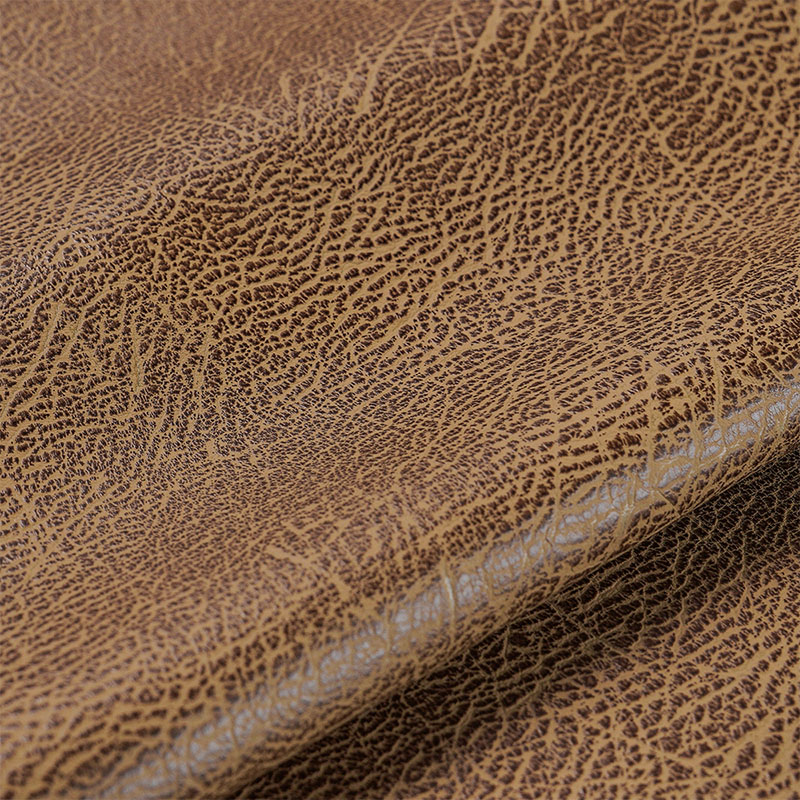
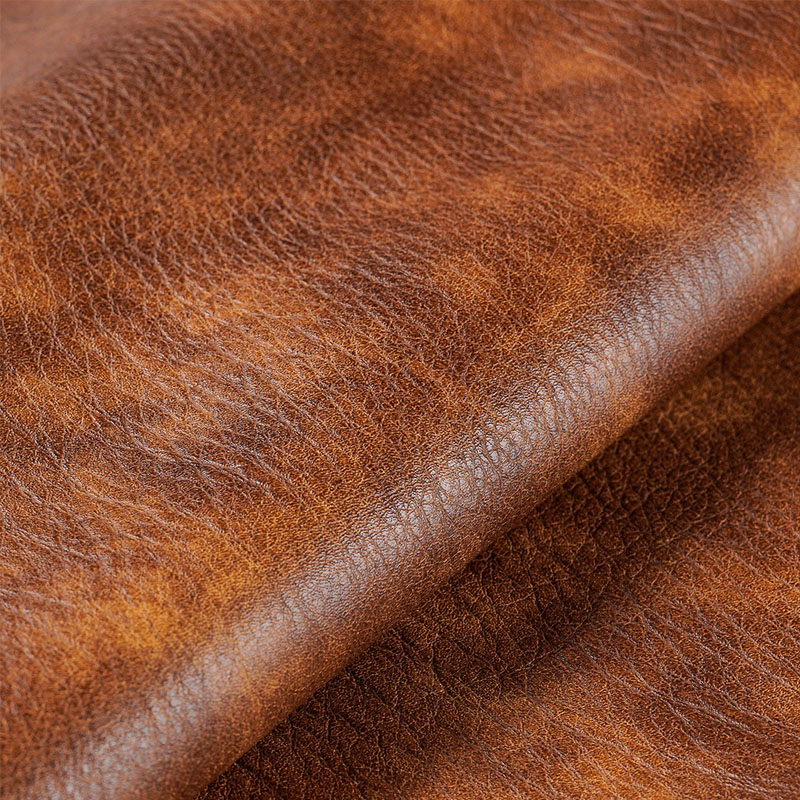
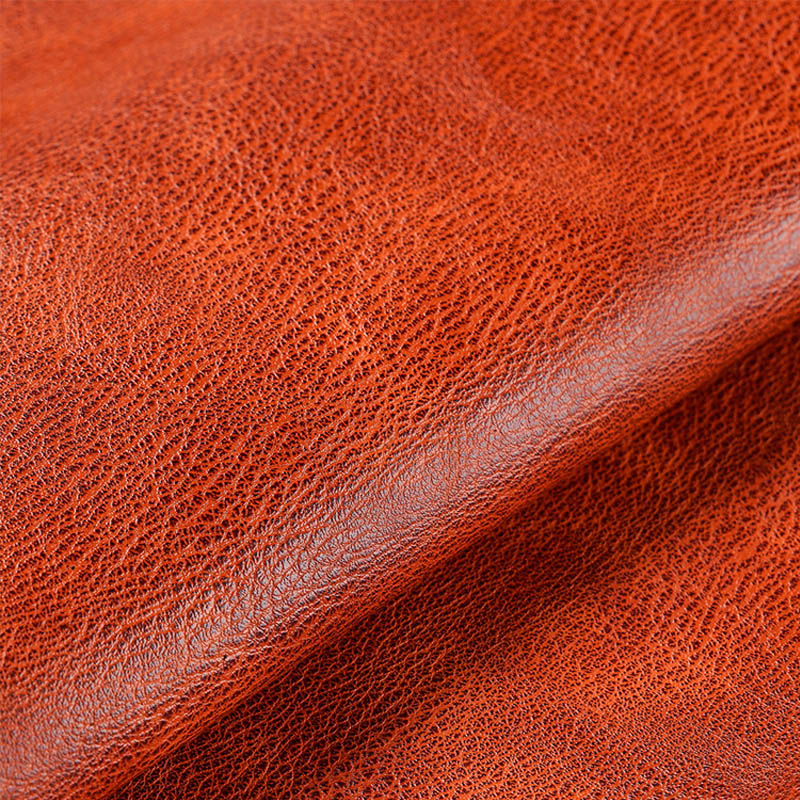
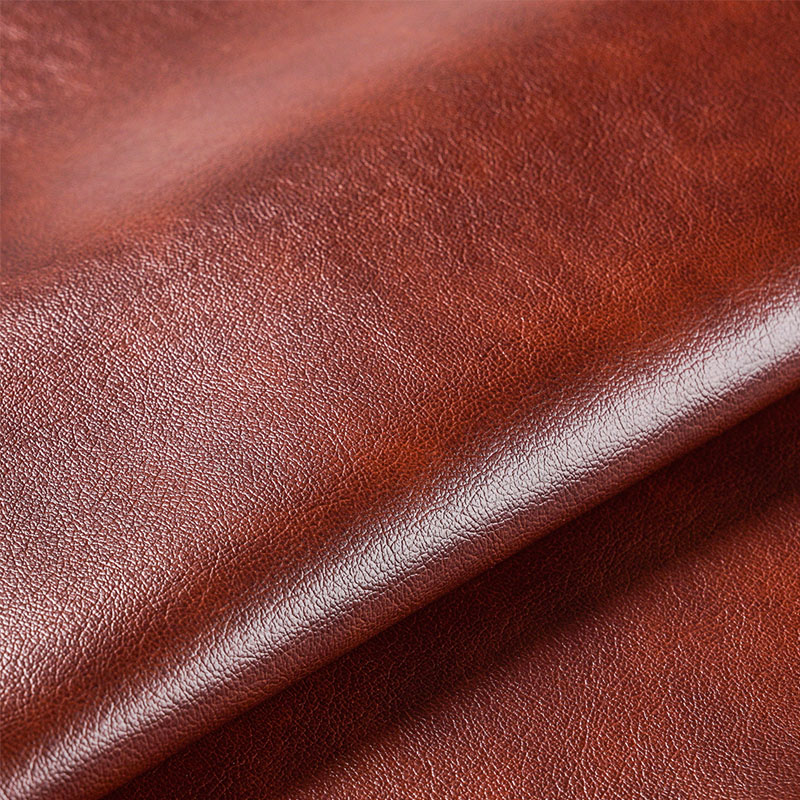
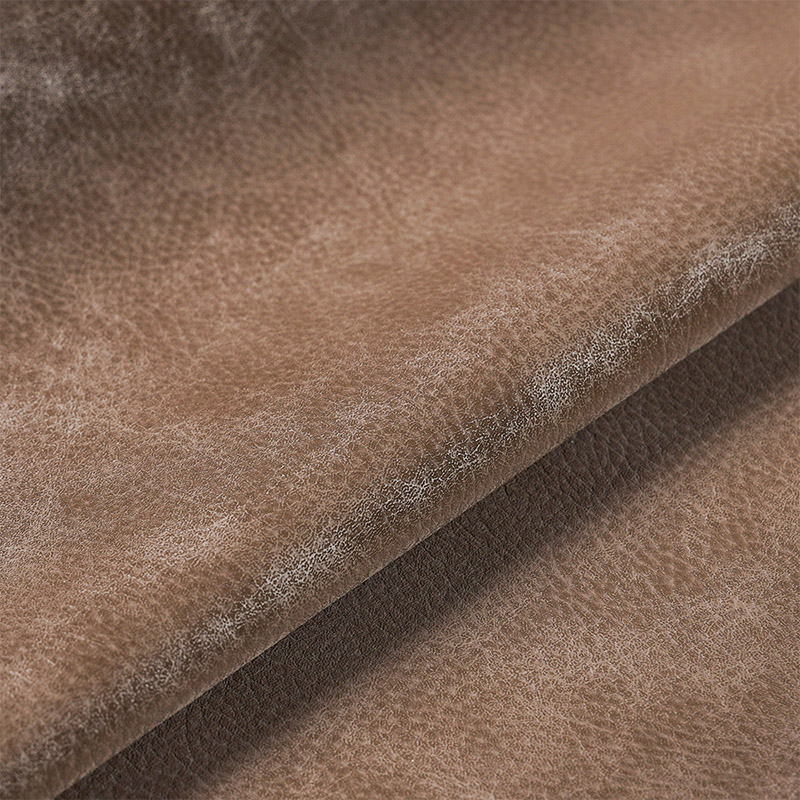
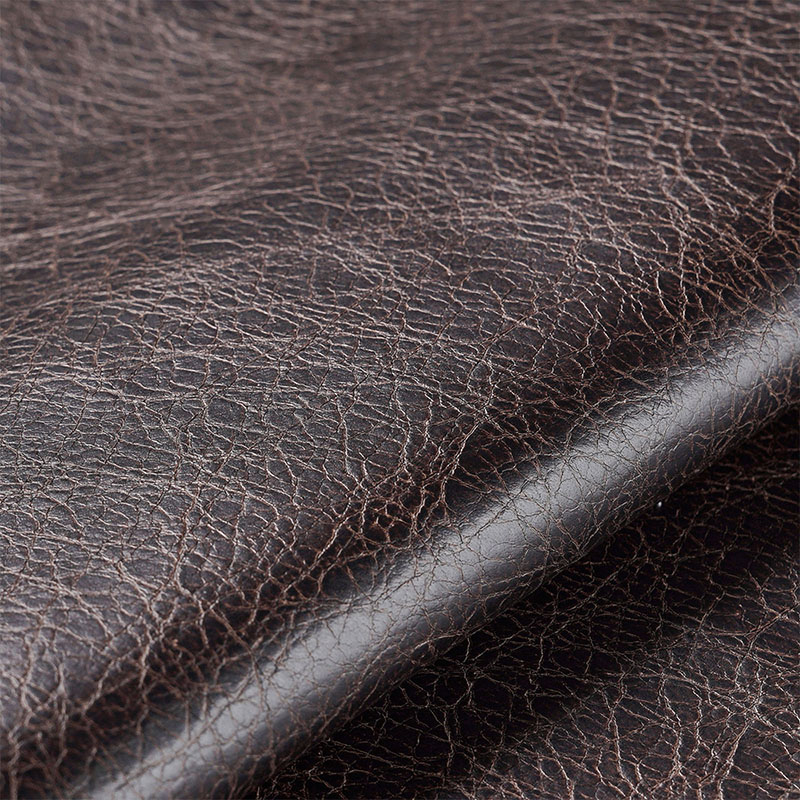
ZAKER is a China Vintage 2-Tone Leatherette suppliers and wholesale Vintage 2-Tone Leatherette factory. Leveraging a modern production base of nearly 50,000 square meters and over 100 patent technologies, it focuses on the exploration of low-pollution, plant-based, and recyclable new materials, continuously promoting the green transformation of the industry, and through its independent innovation technology platform, forming a diversified product system centered on water-based synthetic leather, biogenic synthetic leather, and functional high-end coating materials, which are widely applied in fashion clothing, luggage, shoe materials, home furniture, automotive interiors, consumer electronics, and other fields.
Vintage 2-Tone Leatherette
Vintage 2-Tone Leatherette Suppliers
About
Zhejiang ZAKER New Material Technology Co., Ltd.
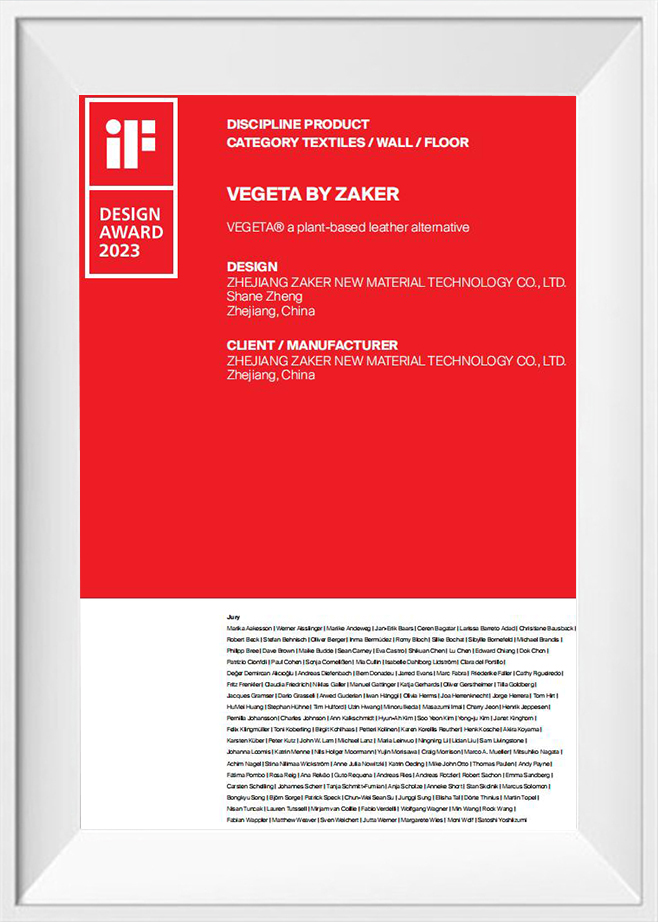
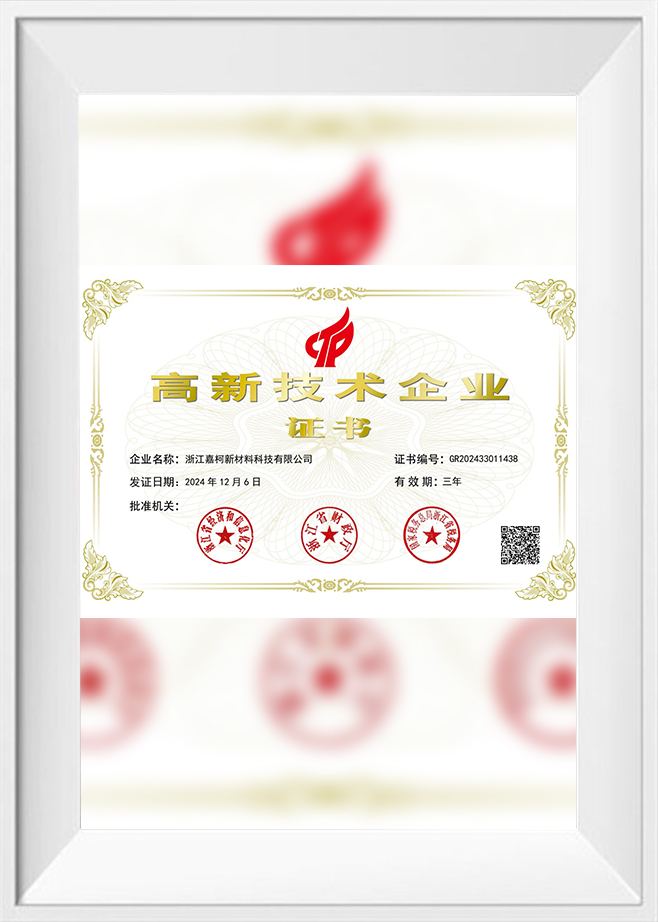
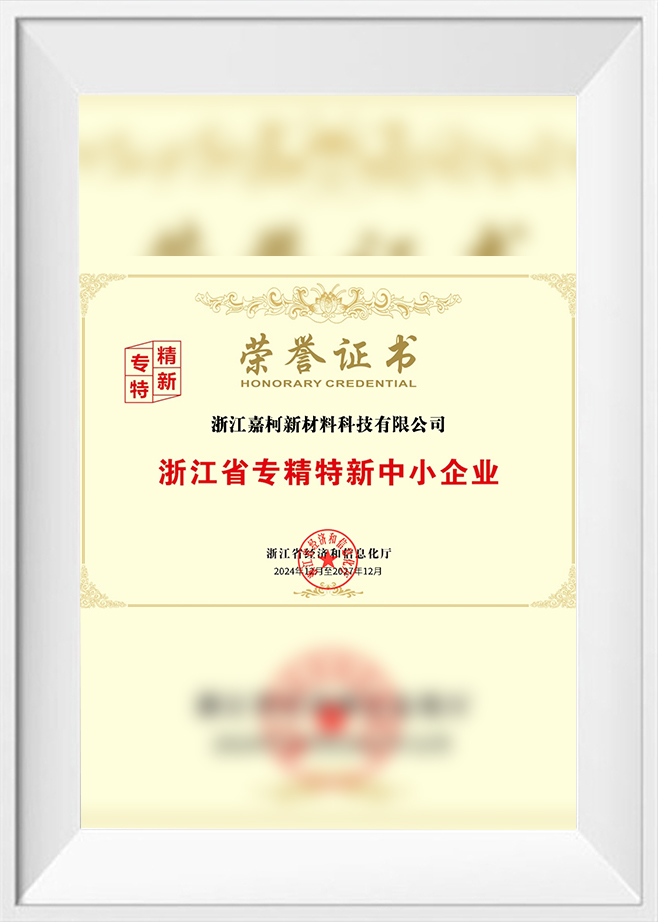
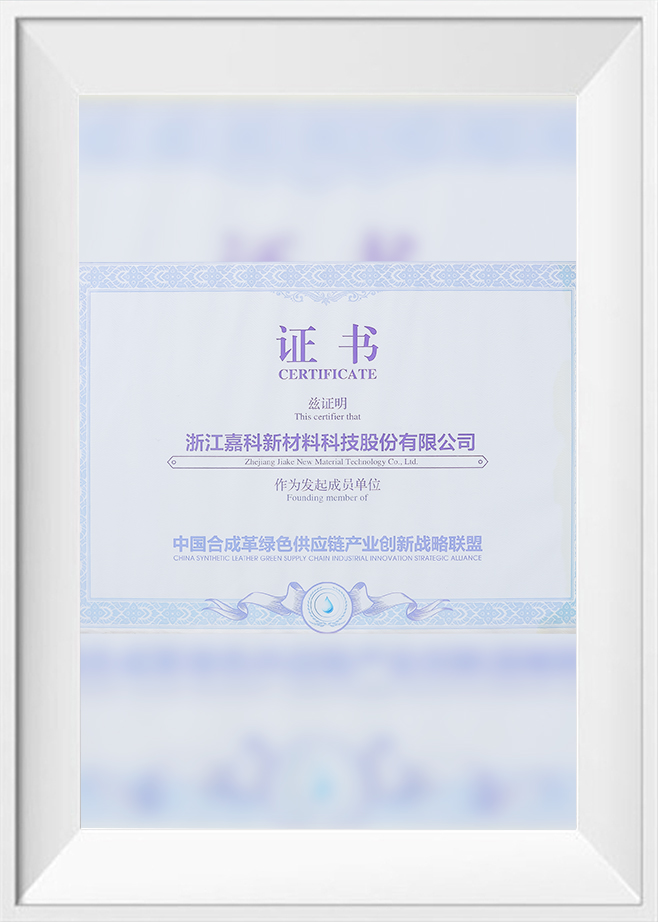
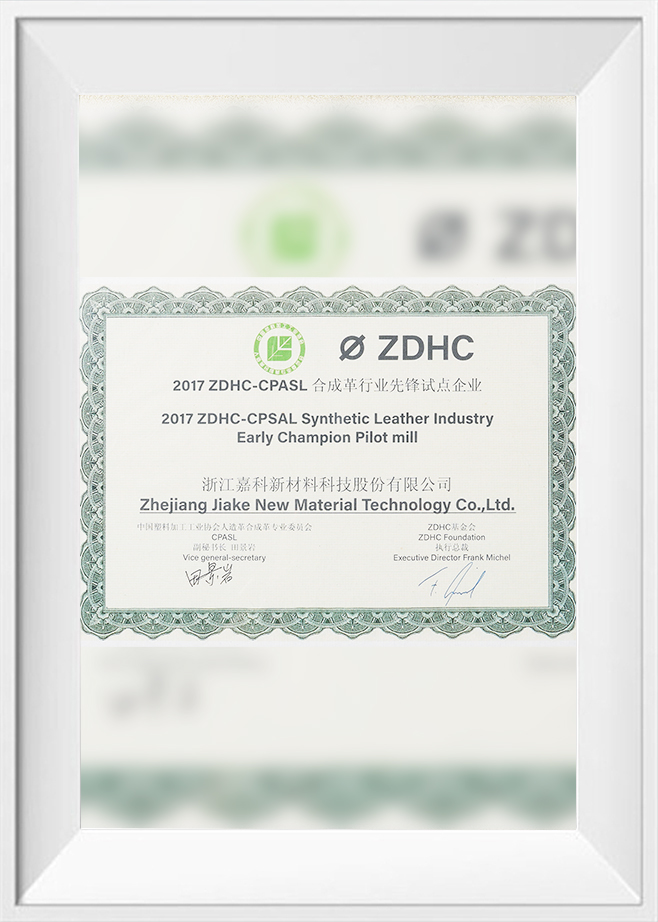
Certificate Of Honor
Message Feedback
Update News And Events
-
2026.10.16How Should Buyers Test Bio-Based Leatherette Before Moving to Production?A material sample can look promising in the showroom and still create unexpected problems during production. For companies developing automotive interiors, furniture, footwear, bag
-
2026.10.09Should Buyers Look Beyond the Bio-Based Label When Choosing Leatherette?The move toward bio-based materials is creating new options for automotive interiors, furniture, footwear, bags, and other applications that traditionally rely on leather or synthe
-
2026.09.30ZAKER: How Does the Traceability System Penetrate the Supply Chain?ZAKER The compliance requirements for global supply chains keep escalating. Downstream brands in apparel, luggage, automotive interiors, home furnishings and other sectors are impo
-
2026.09.30ZAKER: A Differentiated Path for Plant-Based Leather in New Energy VehiclesThe new energy vehicle industry continues to iterate at high speed, with the race toward electrification and intelligence now entering its second half. Today, when consumers choose
-
2026.10.02Can Bio-Based Leatherette Meet the Performance Demands of Modern Products?For buyers sourcing materials for automotive interiors, furniture, footwear, bags, and other consumer products, sustainability is increasingly being considered alongside durability
Vintage 2-Tone Leatherette and Faux Leather: How Aged Color Effects Are Shaping Modern Design
In recent years, synthetic leather design has moved far beyond uniform colors and clean finishes. A noticeable shift can be seen across fashion, furniture, and lifestyle products toward materials that feel more layered, slightly aged, and visually expressive. Among these, Vintage 2-Tone Leatherette, Vintage Faux Leather, and Vintage Two Tone Faux Leather stand out for their ability to recreate depth and character through controlled color variation.
Instead of relying on texture alone, these materials use tonal contrast and fading effects to create a naturally worn visual identity that feels more authentic and emotionally engaging.
What Is Vintage 2-Tone Leatherette?
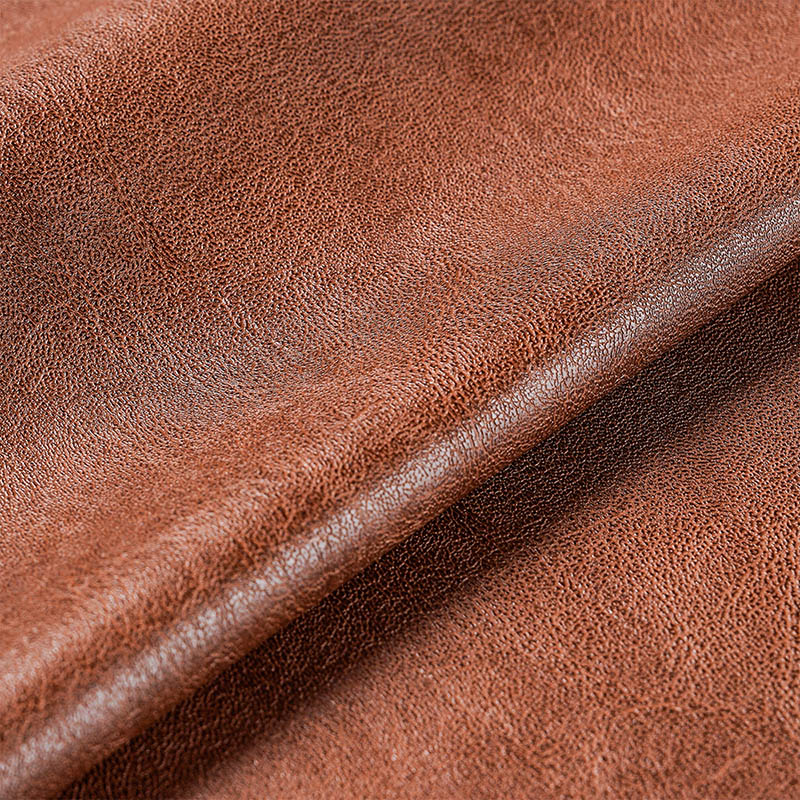
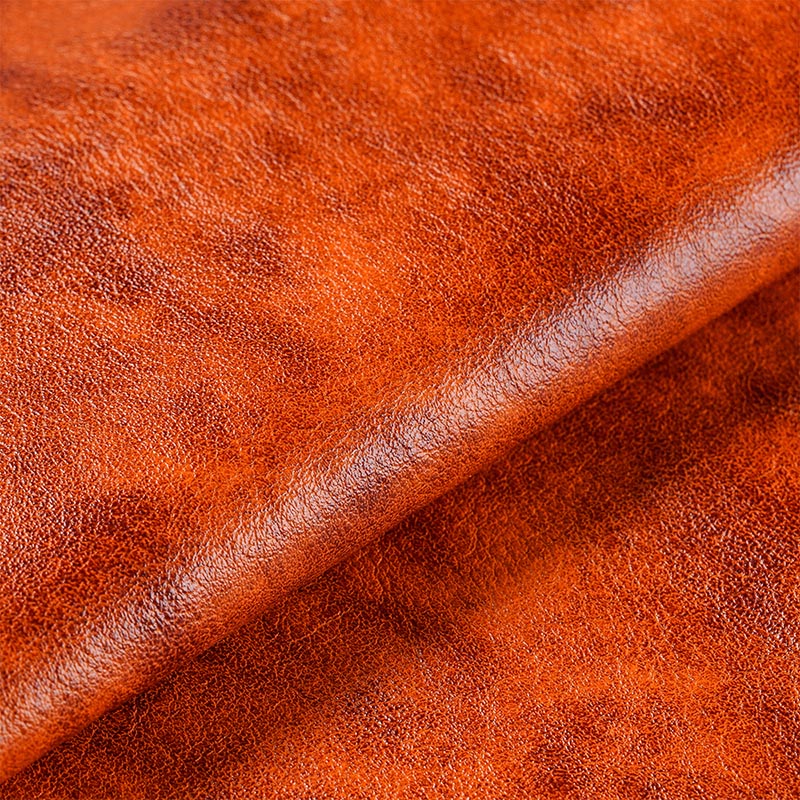
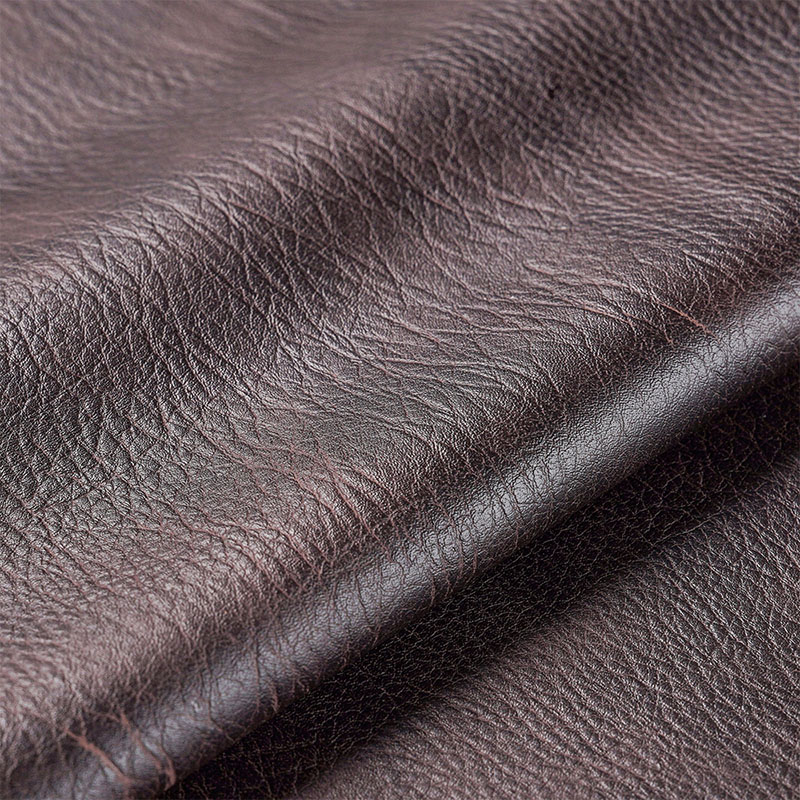
Vintage 2-tone leatherette refers to synthetic leather designed with two distinct but harmonized color layers. The surface typically shows a base tone combined with a secondary shade that appears through brushing, embossing, or surface finishing.
The effect is not random. It is carefully engineered so that light, movement, and surface friction gradually reveal subtle variations in color.
This creates a material that feels less flat and more dynamic, especially under natural lighting conditions.
Key Visual Traits
- Two-layer color depth
- Soft fading transitions across the surface
- Slightly aged or patina-like appearance
- Matte or semi-matte finishing
- Enhanced visual depth without heavy texture
Because of this controlled contrast, 2-tone leatherette is often used when designers want a vintage feel without fully distressed surfaces.
Understanding Vintage Faux Leather
Vintage faux leather is a broader category that focuses on replicating the natural aging process of real leather through artificial finishing techniques.
Unlike standard synthetic leather, which often aims for uniformity, vintage faux leather intentionally introduces variation. This can include faded tones, soft color irregularities, and subtle wear-inspired visual effects.
The goal is not to make the material look damaged, but to create a sense of history and depth.
How the Vintage Effect Is Achieved
Manufacturers typically use a combination of:
- Multi-layer coating systems
- Soft brushing or polishing treatments
- Controlled color oxidation effects
- Wax or oil-style finishing
- Light surface abrasion techniques
These methods allow synthetic leather to develop a more natural, lived-in appearance while maintaining production consistency.
What Is Vintage Two Tone Faux Leather?
Vintage two tone faux leather is closely related to 2-tone leatherette, but it often emphasizes stronger contrast between the base color and surface highlight.
In many cases, the upper layer is slightly lighter or darker than the base, and the difference becomes visible when the material is folded, stretched, or exposed to light.
This effect is especially popular in products where designers want to highlight edges, seams, or structural details.
Common Visual Behavior
- Color shifts depending on viewing angle
- Highlighting around folds and edges
- Soft gradient transitions instead of sharp contrast
- A more “aged” visual rhythm across the surface
It creates a sense of depth that flat single-tone materials cannot easily achieve.
Why Vintage Color Effects Are Becoming More Popular
The rise of vintage-inspired synthetic leather is closely linked to broader design and lifestyle preferences.
A Move Away From Overly Perfect Surfaces
Highly uniform materials can sometimes feel artificial or overly industrial. Slight tonal variation introduces warmth and realism.
Stronger Emotional Design Language
Vintage tones often feel more nostalgic and expressive, which helps products connect emotionally with users.
Better Visual Aging Over Time
Two-tone and vintage finishes tend to age more gracefully, as minor wear blends into the existing color variation instead of standing out.
Compatibility With Multiple Design Styles
These materials work well in:
- Industrial interiors
- Retro-inspired fashion
- Casual lifestyle accessories
- Rustic furniture collections
Their flexibility makes them suitable across different product categories.
Applications of Vintage 2-Tone and Faux Leather Materials
Furniture and Interior Design
Vintage faux leather is widely used in:
- Sofas and lounge chairs
- Restaurant seating
- Hotel interiors
- Café furniture
- Decorative wall panels
The layered color effect helps large surfaces feel less flat and more visually engaging.
Fashion and Accessories
In fashion, vintage two tone faux leather is often used for:
- Handbags and totes
- Jackets and outerwear details
- Boots and belts
- Wallets and travel accessories
The subtle color variation adds personality without overwhelming the overall design.
Packaging and Lifestyle Products
Premium packaging often uses vintage leatherette surfaces to create a handcrafted or heritage-inspired impression.
Common uses include:
- Watch and jewelry boxes
- Luxury gift packaging
- Notebook covers
- Brand presentation cases
The aged look helps elevate perceived product value.
Vintage Faux Leather vs Standard Synthetic Leather
Standard synthetic leather focuses on consistency and uniform appearance, while vintage versions intentionally introduce variation.
Vintage materials often feel:
- Softer visually
- More layered in tone
- Less industrial
- More expressive under light
Standard versions, on the other hand, are typically chosen for clean, modern, and minimal product styles.
The decision between the two depends heavily on brand positioning and target customer expectations.
Key Considerations in Production Quality
Although vintage effects appear natural, they require careful control during manufacturing.
Color Balance Control
Too much contrast can look artificial, while too little reduces the vintage effect.
Surface Stability
The layered finish must remain consistent during bending and long-term use.
Batch-to-Batch Consistency
Maintaining stable tone variation across production is essential for commercial orders.
Wear Behavior
The material should age gradually rather than developing uneven or unintended patches.
These factors are critical in ensuring that the vintage effect enhances the product instead of compromising quality.
Material Direction and Market Trend
Vintage 2-tone and faux leather materials reflect a broader movement in synthetic leather design: a shift from perfect uniformity toward controlled imperfection.
Modern material development is increasingly focused on:
- Subtle color layering instead of heavy embossing
- Natural-looking fading effects
- Matte and low-reflective surfaces
- Soft transitions between tones
- More expressive surface identity
This direction aligns well with current consumer preferences for products that feel more personal, warm, and visually textured.