
 English
 中文简体
中文简体 日本語
日本語 Español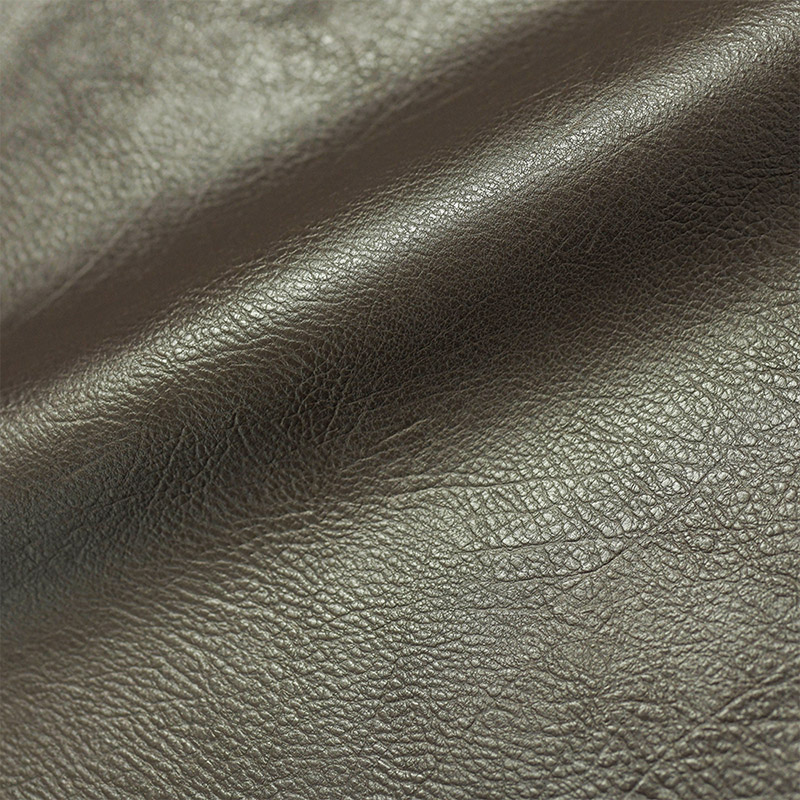
ZAKER is a China Delicate Grain Leatherette suppliers and wholesale Delicate Grain Leatherette factory. Leveraging a modern production base of nearly 50,000 square meters and over 100 patent technologies, it focuses on the exploration of low-pollution, plant-based, and recyclable new materials, continuously promoting the green transformation of the industry, and through its independent innovation technology platform, forming a diversified product system centered on water-based synthetic leather, biogenic synthetic leather, and functional high-end coating materials, which are widely applied in fashion clothing, luggage, shoe materials, home furniture, automotive interiors, consumer electronics, and other fields.
About
Zhejiang ZAKER New Material Technology Co., Ltd.
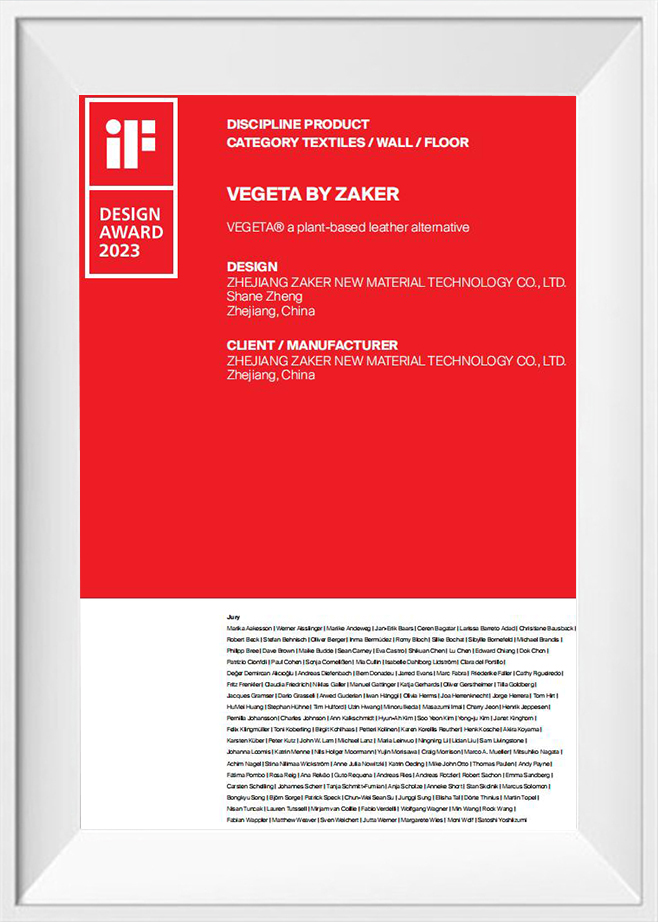
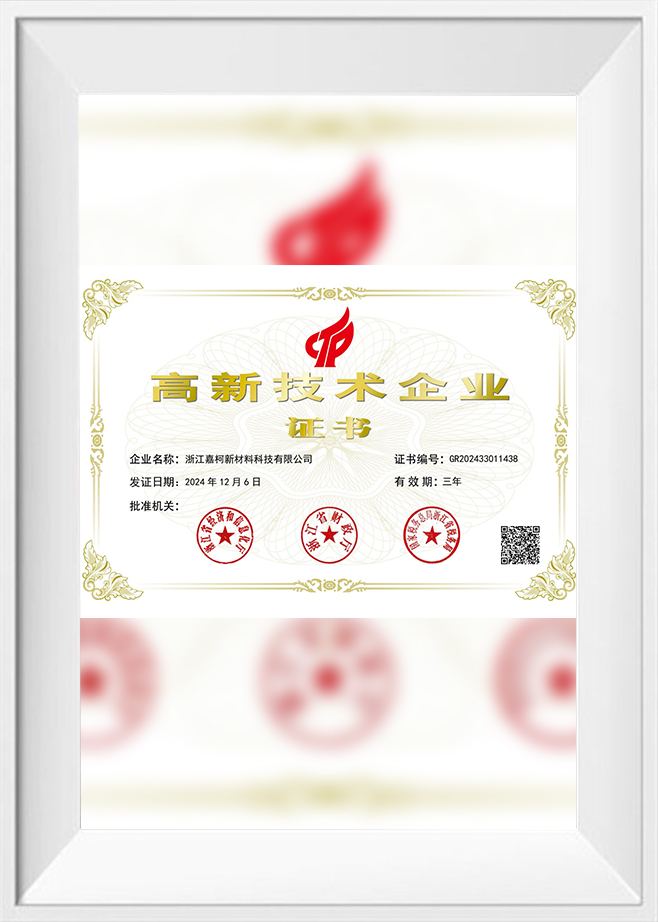
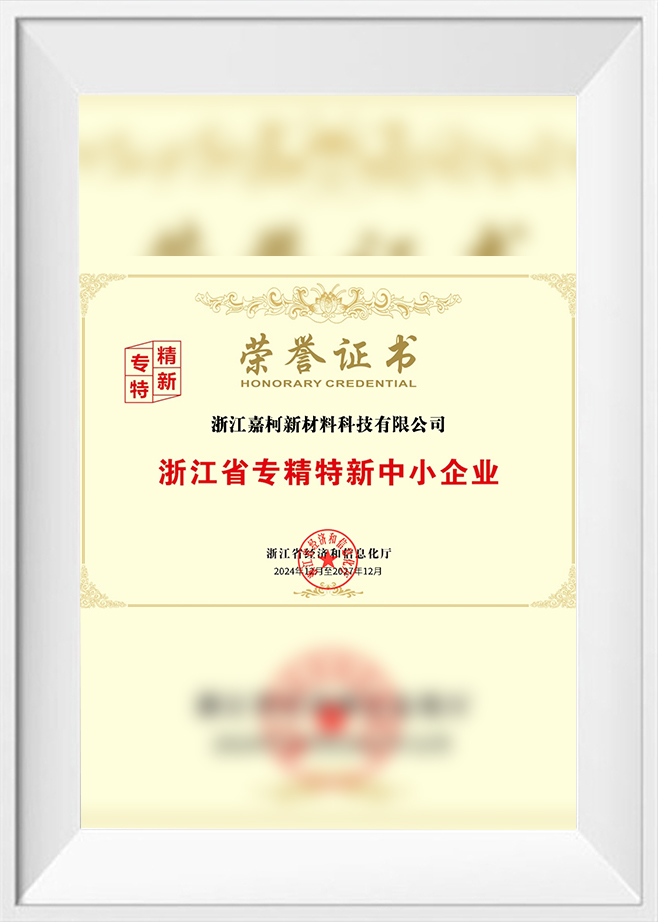
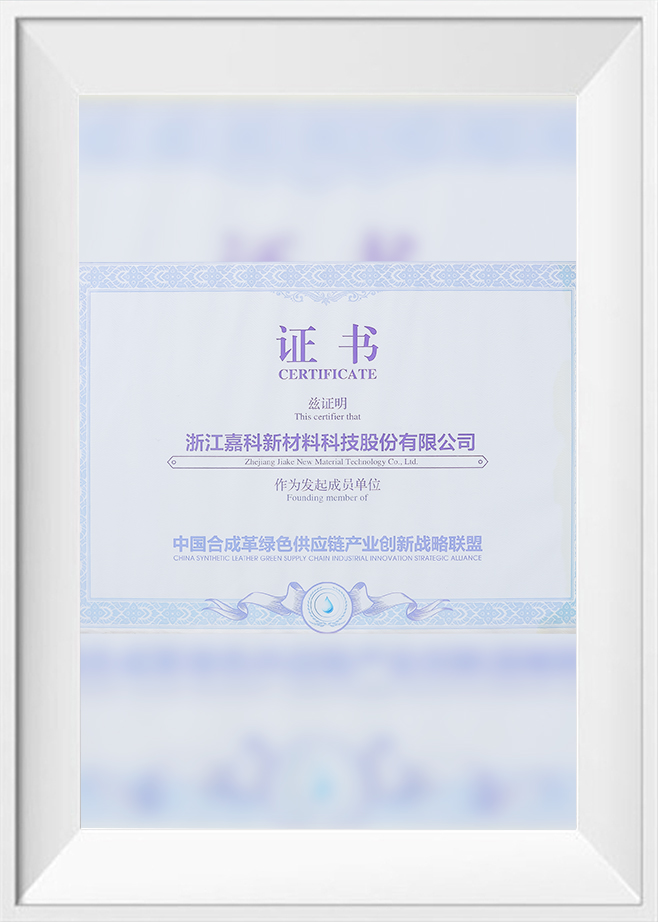
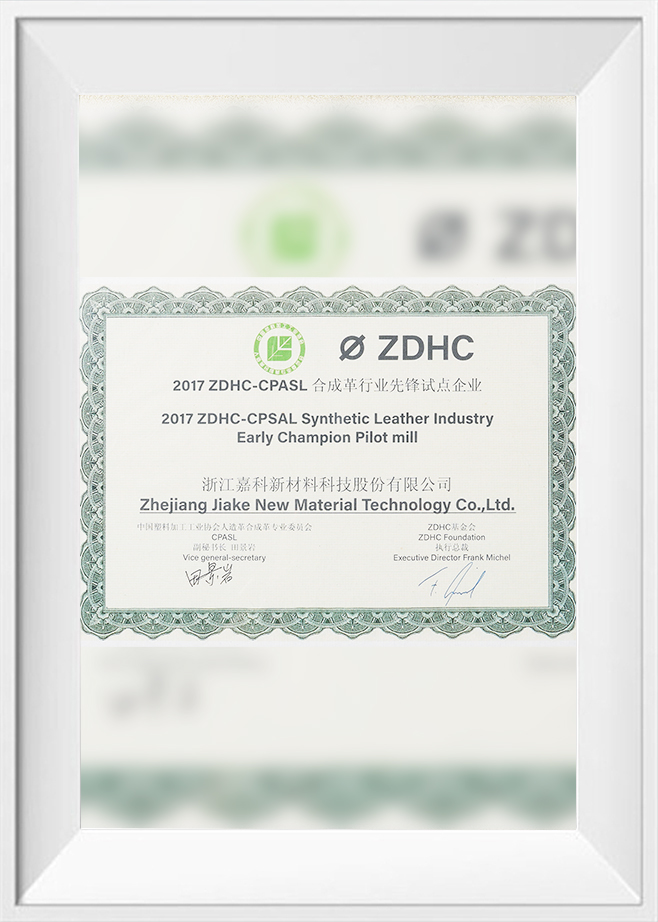
Certificate Of Honor
Message Feedback
Update News And Events
-
2026.10.16How Should Buyers Test Bio-Based Leatherette Before Moving to Production?A material sample can look promising in the showroom and still create unexpected problems during production. For companies developing automotive interiors, furniture, footwear, bag
-
2026.10.09Should Buyers Look Beyond the Bio-Based Label When Choosing Leatherette?The move toward bio-based materials is creating new options for automotive interiors, furniture, footwear, bags, and other applications that traditionally rely on leather or synthe
-
2026.09.30ZAKER: How Does the Traceability System Penetrate the Supply Chain?ZAKER The compliance requirements for global supply chains keep escalating. Downstream brands in apparel, luggage, automotive interiors, home furnishings and other sectors are impo
-
2026.09.30ZAKER: A Differentiated Path for Plant-Based Leather in New Energy VehiclesThe new energy vehicle industry continues to iterate at high speed, with the race toward electrification and intelligence now entering its second half. Today, when consumers choose
-
2026.10.02Can Bio-Based Leatherette Meet the Performance Demands of Modern Products?For buyers sourcing materials for automotive interiors, furniture, footwear, bags, and other consumer products, sustainability is increasingly being considered alongside durability
Delicate Grain Leatherette, Faux Leather Sheet Wholesale & PU Leather for Handbags: A Shift Toward Subtle Surface Design
In synthetic leather products, visual impact is no longer driven by bold texture or high gloss alone. Many designers are now leaning toward quieter surface expressions—materials that feel refined up close, but not visually loud from a distance. This is where Delicate Grain Leatherette, Faux Leather Sheet Wholesale, and PU Leather for Handbags have become especially relevant.
Instead of trying to imitate leather in an obvious way, these materials focus on controlled texture, better hand-feel, and consistent production quality that works well across modern fashion and accessory manufacturing.
Delicate Grain Leatherette: When Texture Becomes Subtle
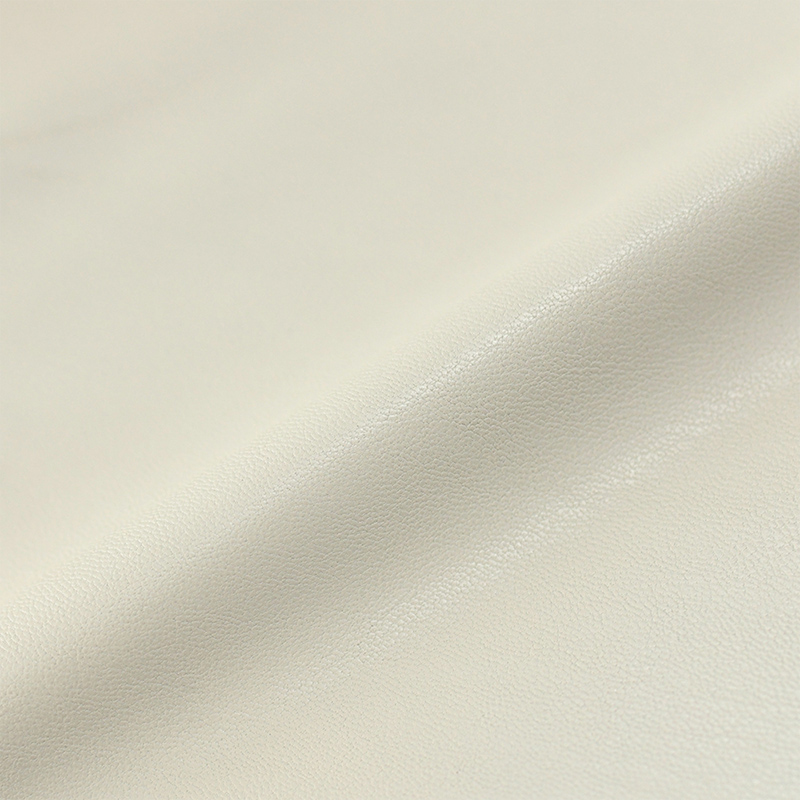
Delicate grain leatherette is designed around restraint rather than emphasis. The surface grain is intentionally fine, soft, and evenly distributed, so the material does not overpower the product design.
In practical use, this kind of leatherette often sits between a fully smooth finish and a heavily embossed texture. It creates just enough visual structure to avoid a plastic-like appearance, but stays subtle enough to support minimalist styling.
What makes it widely used in fashion products is not only how it looks, but how it behaves under light and touch. The surface does not reflect aggressively, and the grain does not dominate stitching, shape, or hardware details.
This makes it particularly suitable for handbags where the material should support the design rather than compete with it.
Common long-tail search intent around this material often includes:
- delicate grain PU leather for handbags
- soft fine grain leatherette material supplier
- minimalist synthetic leather for fashion bags
- smooth textured vegan leather sheet
PU Leather for Handbags: Built Around Daily Use, Not Just Appearance
PU leather used in handbags is usually engineered with a very different priority compared to upholstery or industrial synthetic leather. Here, flexibility, folding resistance, and visual stability over time matter just as much as surface appearance.
A handbag is constantly in motion—carried, compressed, placed on surfaces, and exposed to friction. Because of this, PU leather for handbags is often designed with:
- Controlled softness to avoid stiffness in structure
- Balanced thickness for shape retention
- Surface coatings that resist visible scratches
- Color stability across production batches
- Lightweight construction for daily comfort
In many mid-to-high-end product lines, manufacturers also adjust the grain size to match brand identity. A fine grain often signals elegance and modern minimalism, while slightly more visible grain can create a more casual or lifestyle-oriented feel.
The result is not just a material choice, but a design decision that affects how the entire handbag is perceived in the market.
Faux Leather Sheet Wholesale: How Bulk Material Supply Shapes Design Consistency
When brands or manufacturers source faux leather in sheet or roll form, they are not just buying material—they are controlling production consistency at scale.
Wholesale faux leather sheets are widely used in:
- handbag production lines
- small leather goods manufacturing
- packaging and box covering
- craft and sample development
- furniture detailing components
One of the most important considerations in this category is not only the material type, but how stable it remains across different batches. Even small variations in grain depth, backing fabric, or coating thickness can affect how a finished product looks under retail lighting.
For this reason, buyers often evaluate faux leather sheet suppliers based on long-term consistency rather than single-batch samples.
Typical sourcing intent in this area includes:
- faux leather sheet supplier for bags
- PU leather roll wholesale factory
- synthetic leather material bulk purchase
- vegan leather sheet for manufacturing use
Why Delicate Grain Surfaces Are Becoming More Popular in Handbags
In fashion accessories, especially handbags, visual noise is being replaced by controlled simplicity. Instead of heavily textured or overly glossy surfaces, brands are increasingly choosing materials that feel calm and refined.
Delicate grain leatherette fits into this direction because it does not distract from the shape or construction of the bag. It allows stitching lines, metal fittings, and silhouette design to become more noticeable.
Another reason for its popularity is how it behaves over time. Fine grain surfaces tend to age more gracefully in daily use because minor marks are less visually disruptive compared to smooth or high-gloss finishes.
This makes it suitable not only for luxury-inspired collections but also for everyday commercial handbag lines.
Material Behavior in Real Use Conditions
Across these materials, performance is often judged in real-life scenarios rather than laboratory conditions.
For example, a handbag made with PU leather will be evaluated based on how it handles:
- repeated opening and closing
- shoulder strap friction
- surface contact with clothing
- bending at fold points
- exposure to light and humidity
Delicate grain textures can help mask minor wear patterns, while PU formulations determine whether the surface remains stable or begins to crack or stiffen over time.
This is why material selection is rarely about appearance alone—it is about how the surface behaves after months of real use.
Design Direction: From Strong Texture to Controlled Detail
What stands out across all three materials—delicate grain leatherette, faux leather sheet wholesale materials, and PU leather for handbags—is a shared direction in design thinking.
Instead of emphasizing strong texture or artificial shine, manufacturers are moving toward:
- softer grain definitions
- more natural light response
- lighter visual density
- improved tactile comfort
- more consistent production appearance
This shift reflects a broader trend in fashion and lifestyle products where materials are expected to support design identity quietly, rather than define it.
Delicate grain leatherette, faux leather sheet wholesale materials, and PU leather for handbags represent a more refined stage in synthetic leather development. They are not about making materials look more artificial or more dramatic, but about achieving balance—between softness and structure, between texture and simplicity, and between design expression and everyday usability.
For handbag manufacturers and material buyers, the focus is increasingly on how the material integrates into the product experience as a whole, rather than just how it appears on a sample sheet.