
 English
 中文简体
中文简体 日本語
日本語 Español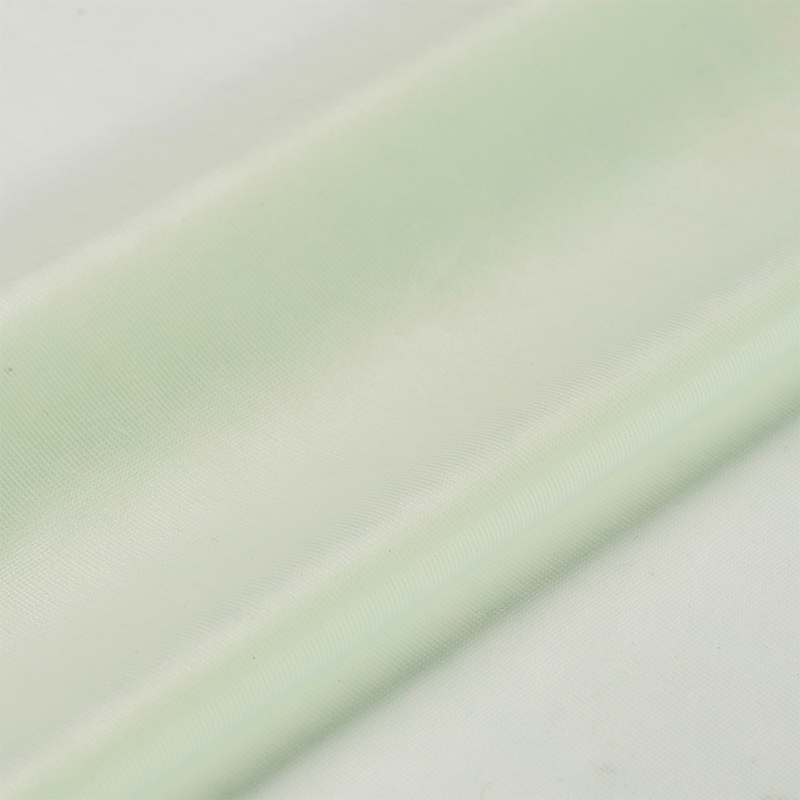
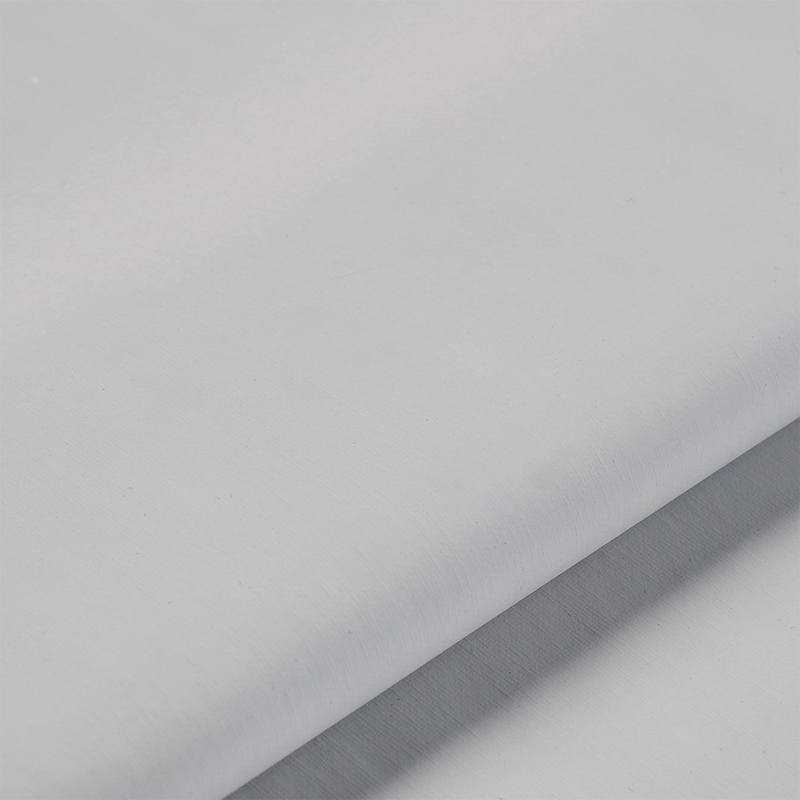
ZAKER is a China Raincoat Coating Leatherette suppliers and wholesale Raincoat Coating Leatherette factory. Leveraging a modern production base of nearly 50,000 square meters and over 100 patent technologies, it focuses on the exploration of low-pollution, plant-based, and recyclable new materials, continuously promoting the green transformation of the industry, and through its independent innovation technology platform, forming a diversified product system centered on water-based synthetic leather, biogenic synthetic leather, and functional high-end coating materials, which are widely applied in fashion clothing, luggage, shoe materials, home furniture, automotive interiors, consumer electronics, and other fields.
About
Zhejiang ZAKER New Material Technology Co., Ltd.
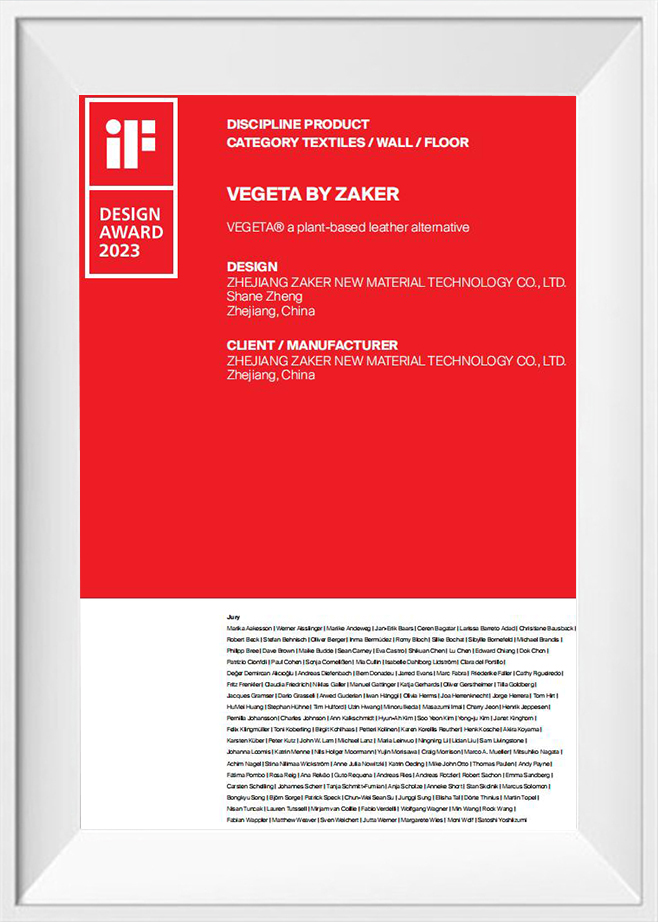
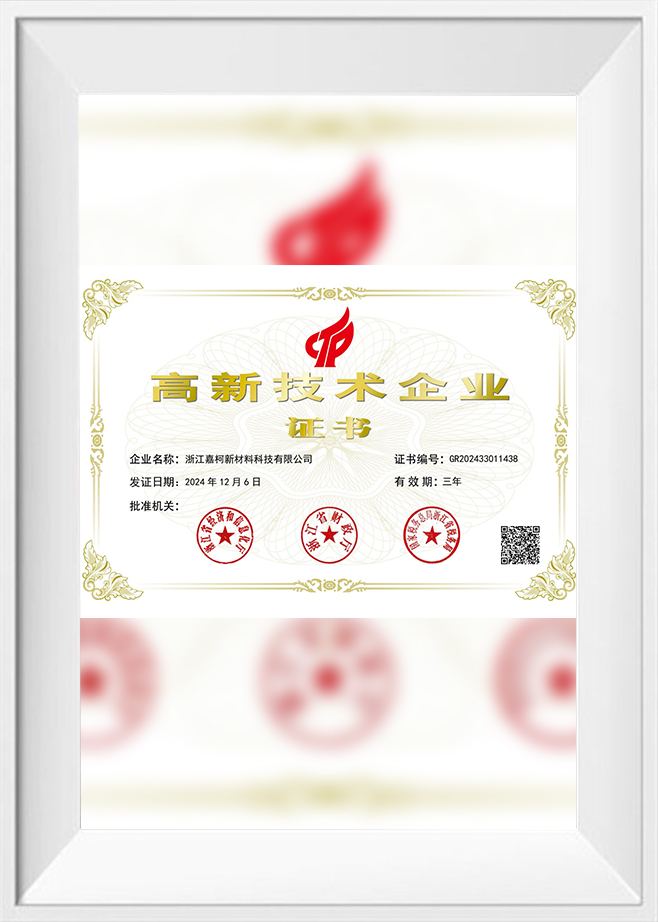
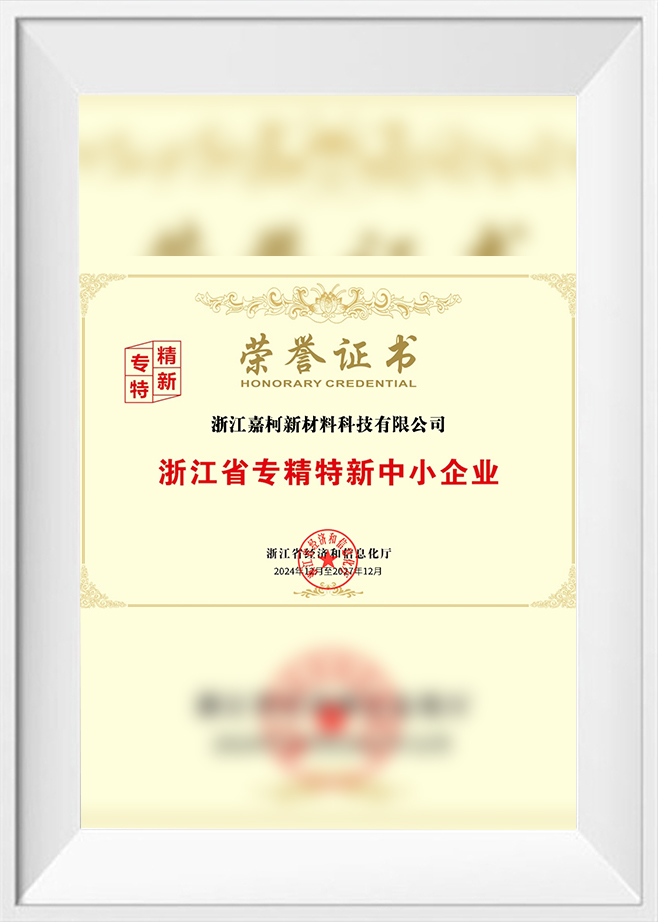
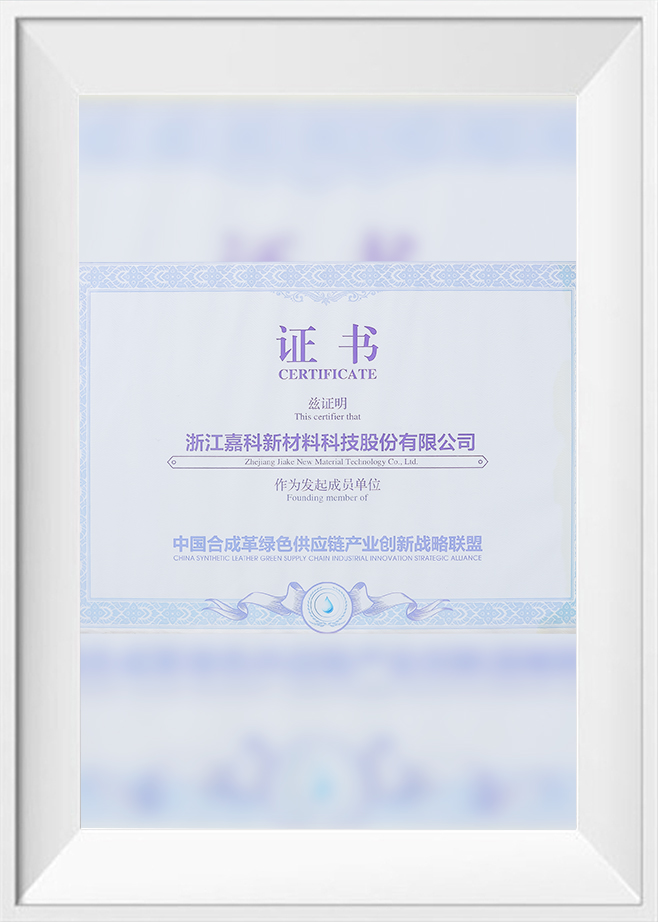
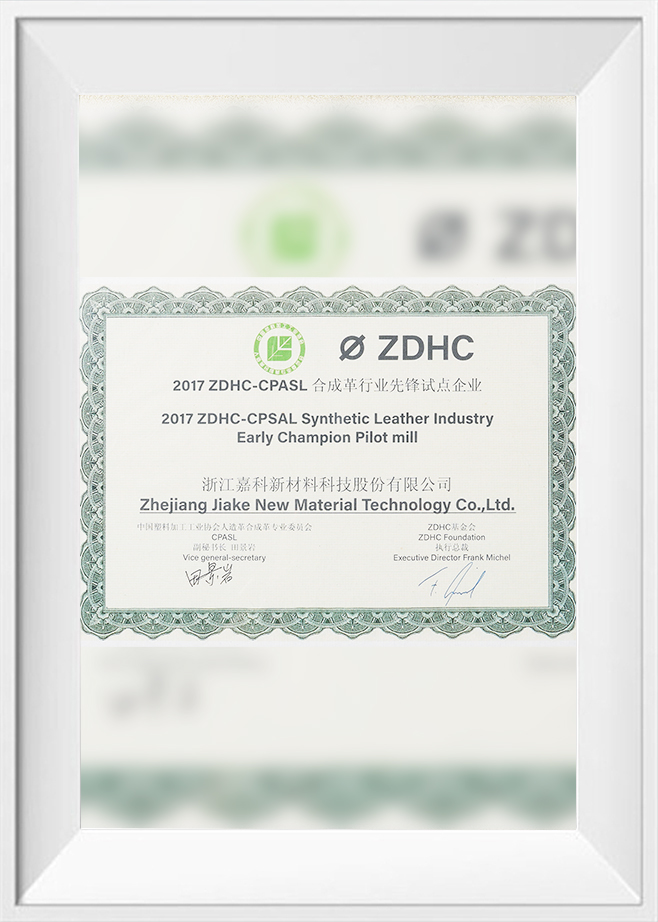
Certificate Of Honor
Message Feedback
Update News And Events
-
2026.10.16How Should Buyers Test Bio-Based Leatherette Before Moving to Production?A material sample can look promising in the showroom and still create unexpected problems during production. For companies developing automotive interiors, furniture, footwear, bag
-
2026.10.09Should Buyers Look Beyond the Bio-Based Label When Choosing Leatherette?The move toward bio-based materials is creating new options for automotive interiors, furniture, footwear, bags, and other applications that traditionally rely on leather or synthe
-
2026.09.30ZAKER: How Does the Traceability System Penetrate the Supply Chain?ZAKER The compliance requirements for global supply chains keep escalating. Downstream brands in apparel, luggage, automotive interiors, home furnishings and other sectors are impo
-
2026.09.30ZAKER: A Differentiated Path for Plant-Based Leather in New Energy VehiclesThe new energy vehicle industry continues to iterate at high speed, with the race toward electrification and intelligence now entering its second half. Today, when consumers choose
-
2026.10.02Can Bio-Based Leatherette Meet the Performance Demands of Modern Products?For buyers sourcing materials for automotive interiors, furniture, footwear, bags, and other consumer products, sustainability is increasingly being considered alongside durability
Waterproof Artificial Leather for Garments: Why Fashion Brands Are Reconsidering Coated Surfaces
For a long time, waterproof materials in clothing were associated mainly with utility. They were designed for rain protection, outdoor workwear, or sports equipment, often with little attention paid to texture, silhouette, or visual detail.
That perception has changed significantly.
Today, materials such as Raincoat Coating Leatherette, Waterproof PU Leather Fabric, and Waterproof Artificial Leather for Garments are increasingly used not because they hide from weather, but because they create a very specific visual and structural effect in fashion products.
The appeal is no longer only about staying dry. It is about how coated surfaces reshape the identity of modern garments.
The Rise of “Protected Surfaces” in Fashion
Many contemporary fashion collections now favor cleaner and more controlled material appearances.
Compared with ordinary woven fabrics, waterproof PU leather surfaces tend to look:
- sharper around seams
- more stable in silhouette
- smoother under lighting
- visually denser and more structured
This creates a garment that feels intentional and architectural rather than soft and casual.
That difference becomes especially noticeable in urban outerwear, where surface precision often matters more than decorative complexity.
Why Designers Use Waterproof PU Leather Even When Weather Is Not the Priority
Interestingly, many waterproof synthetic leather garments are not created primarily for heavy rain environments.
Instead, designers use these materials because the coated surface changes how the garment behaves visually.
For example:
- folds become more sculptural
- sleeves hold shape longer
- collars appear sharper
- oversized cuts feel more structured
- monochrome colors look deeper and cleaner
In other words, the coating itself becomes a styling tool.
This is one reason waterproof artificial leather appears increasingly in runway collections and fashion-forward streetwear rather than only practical rainwear.
Raincoat Coating Leatherette and the Influence of Urban Fashion
Traditional raincoats were designed to disappear into function. Modern coated garments often do the opposite—they intentionally emphasize the protective surface.
This aesthetic is heavily influenced by:
- urban commuter fashion
- utility-inspired design
- technical minimalism
- futuristic outerwear trends
- industrial-style silhouettes
The smooth coated finish gives garments a controlled and slightly engineered appearance that standard textiles rarely achieve.
Even neutral colors like black, gray, olive, or beige appear more visually defined when applied to waterproof leatherette surfaces.
Why Matte Waterproof Surfaces Are Replacing High Gloss
Older waterproof garments often relied on shiny coatings to communicate water resistance visually.
Now, many brands are moving toward matte waterproof PU leather fabrics instead.
The reason is partly aesthetic.
Matte coatings tend to feel:
- more modern
- less costume-like
- easier to integrate into everyday wardrobes
- softer under indoor lighting
This allows waterproof materials to enter categories beyond rainwear, including casual jackets, fashion accessories, and transitional garments.
The protective function remains, but the visual language becomes more subtle.
The Difference Between Fashion Waterproofing and Industrial Waterproofing
Not all waterproof materials are developed with the same priorities.
Industrial waterproof surfaces usually prioritize:
- maximum sealing
- chemical resistance
- heavy durability
- rigid protection
Garment-oriented waterproof artificial leather is developed differently.
Fashion applications require balance between:
- movement and structure
- comfort and coating stability
- appearance and flexibility
- weather resistance and wearability
If the material becomes too rigid or too reflective, it may feel more industrial than wearable.
That balance is what defines high-quality garment-grade waterproof PU materials.
Why Waterproof Leatherette Works Well in Layered Styling
One overlooked advantage of coated synthetic leather is how it interacts with layered fashion.
Because the surface is visually cleaner and less textured than woven fabric, it pairs easily with:
- knitwear
- brushed wool
- cotton fleece
- technical nylon
- matte textiles
The contrast between soft fabrics and coated surfaces creates stronger depth in layered outfits.
This is especially important in cold-weather fashion, where multiple materials are often combined in a single look.
Waterproof Synthetic Leather in Accessories and Hybrid Apparel
The material is also becoming common in products that sit between fashion and utility.
These include:
- modular bags
- convertible outerwear
- commuter backpacks
- oversized utility vests
- travel-focused apparel
In these categories, waterproof leatherette helps products feel more durable and urban without appearing overly sporty.
That distinction is important because many consumers now want practical products that still feel fashion-oriented.
The Sound and Movement of Coated Materials
An interesting aspect of waterproof PU leather fabric is that people respond not only to its appearance, but also to how it moves.
Different coating systems affect:
- the sound of the fabric while walking
- how sharply folds hold
- how sleeves collapse or maintain volume
- how light travels across the surface
These small physical behaviors strongly influence how “premium” or “technical” a garment feels in motion.
As a result, newer material development often focuses on softer coatings that reduce stiffness and excessive surface noise.
Why These Materials Continue Expanding Beyond Outerwear
Originally associated mainly with jackets and rainwear, waterproof artificial leather is now appearing in:
- wide-leg coated pants
- minimalist skirts
- lightweight overshirts
- fashion uniforms
- performance-inspired tailoring
The reason is simple: coated surfaces create visual clarity.
In minimalist fashion, where decoration is reduced, the material itself becomes one of the most important design elements.