
 English
 中文简体
中文简体 日本語
日本語 Español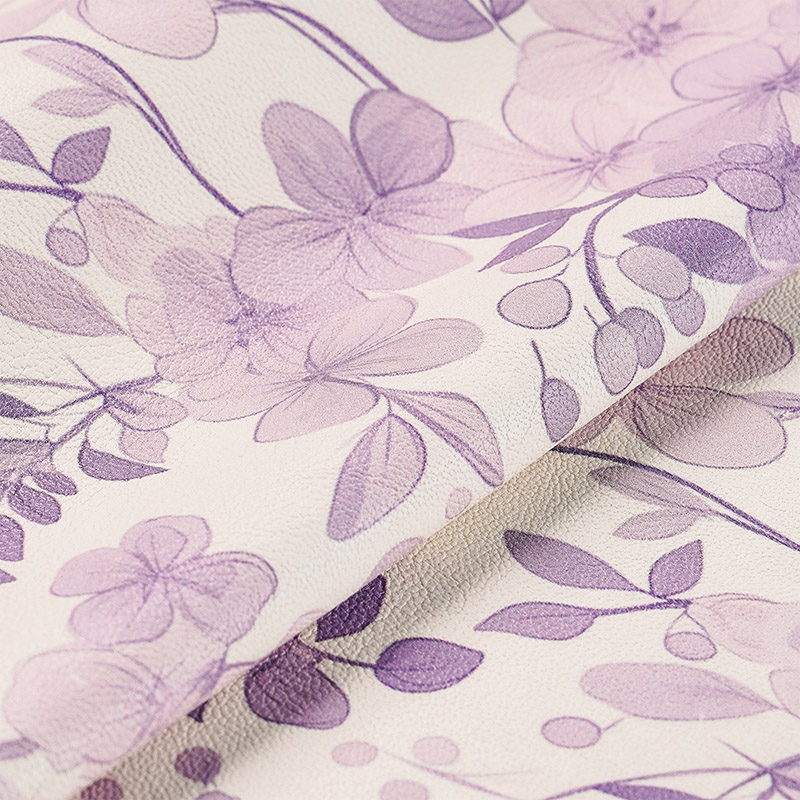
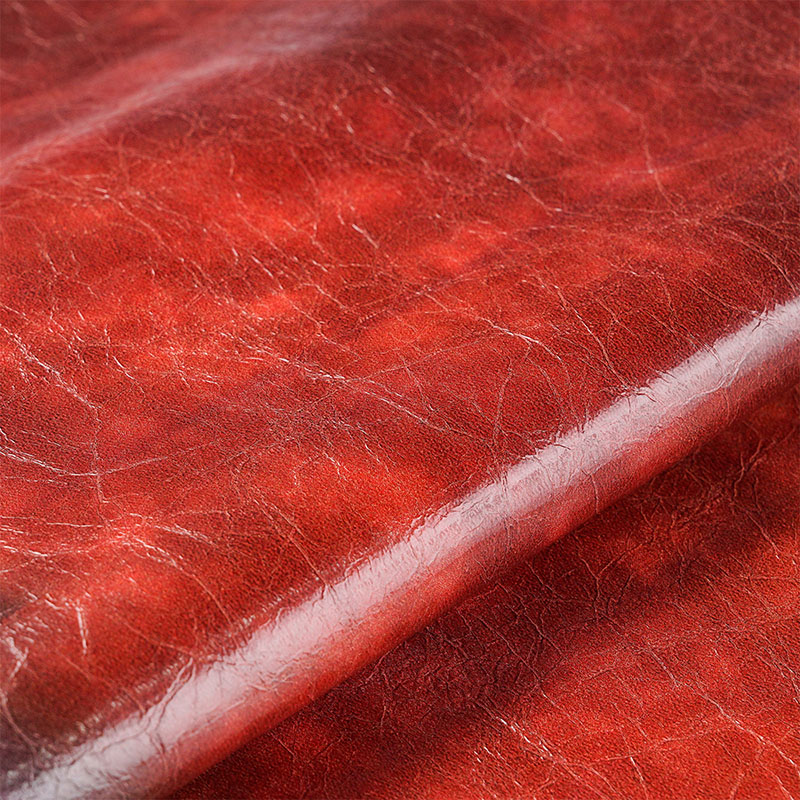
ZAKER is a China Digital Printing Leatherette suppliers and wholesale Digital Printing Leatherette factory. Leveraging a modern production base of nearly 50,000 square meters and over 100 patent technologies, it focuses on the exploration of low-pollution, plant-based, and recyclable new materials, continuously promoting the green transformation of the industry, and through its independent innovation technology platform, forming a diversified product system centered on water-based synthetic leather, biogenic synthetic leather, and functional high-end coating materials, which are widely applied in fashion clothing, luggage, shoe materials, home furniture, automotive interiors, consumer electronics, and other fields.
About
Zhejiang ZAKER New Material Technology Co., Ltd.
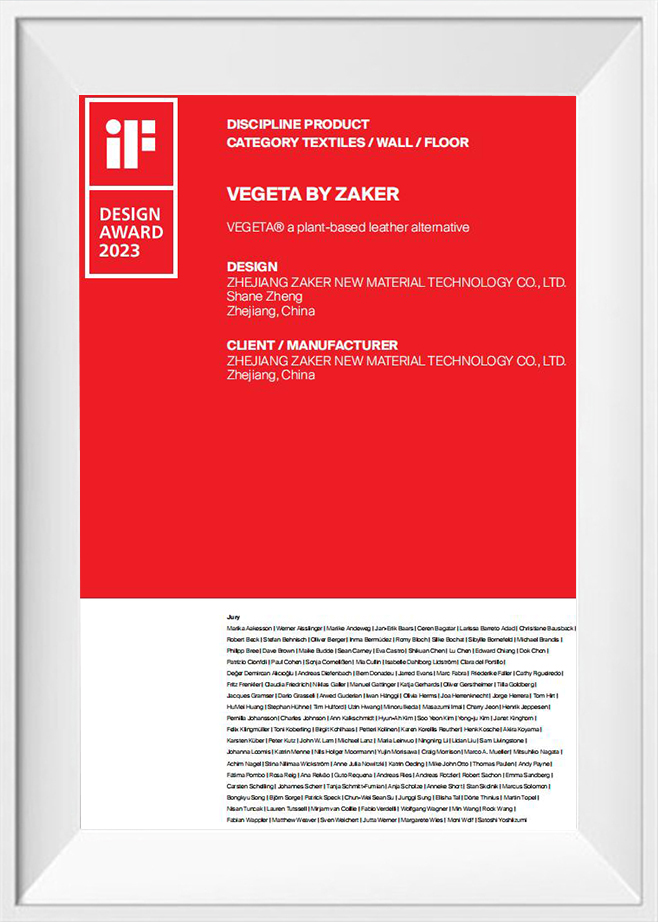
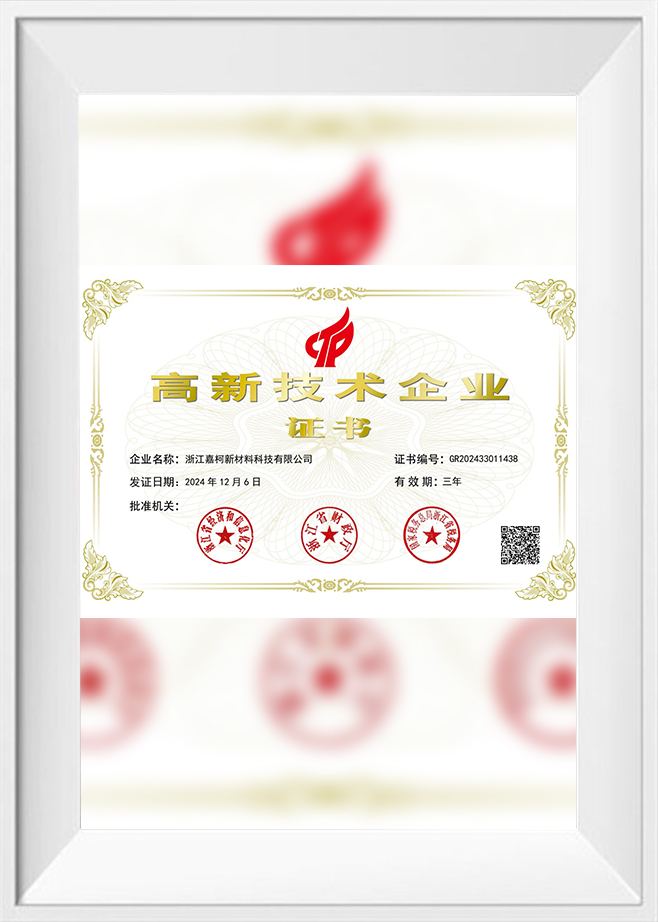
Certificate Of Honor
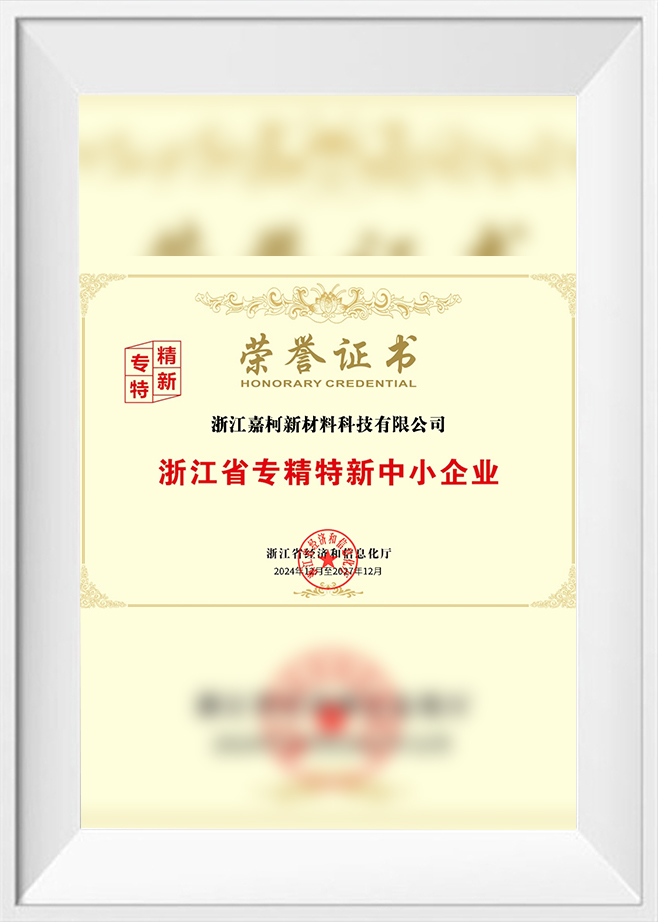
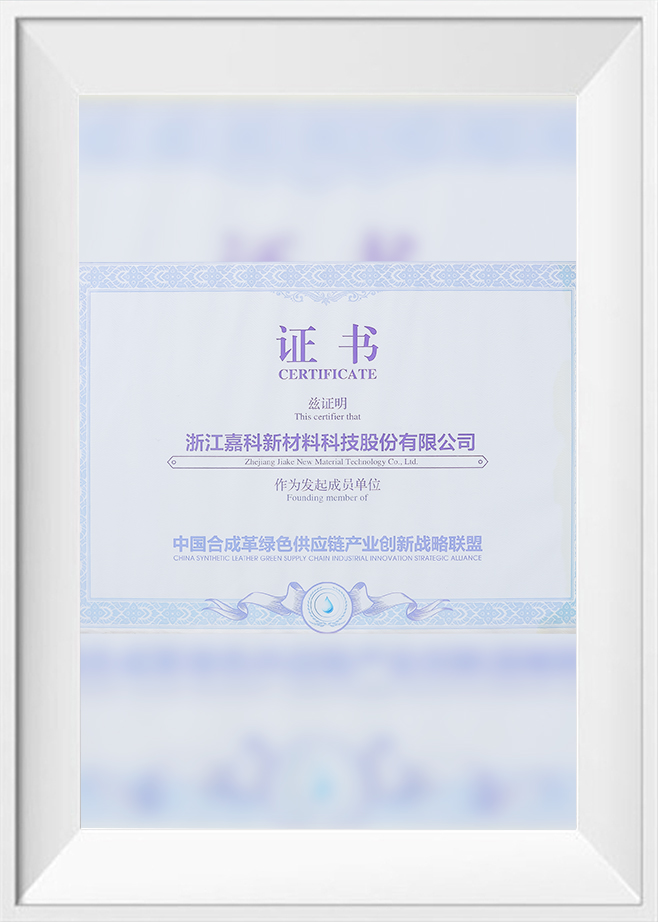
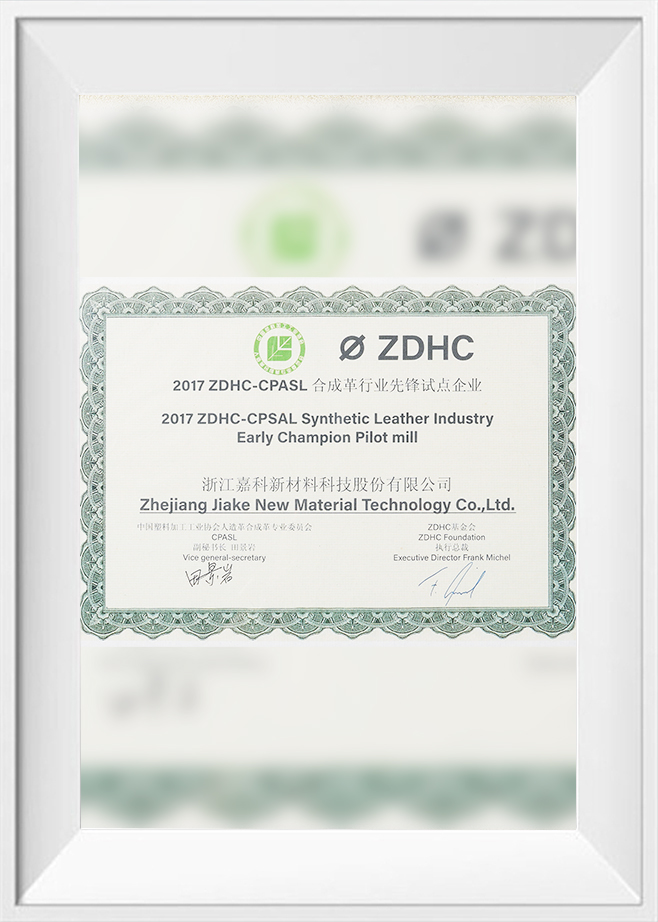
Message Feedback
Update News And Events
-
2026.10.16How Should Buyers Test Bio-Based Leatherette Before Moving to Production?A material sample can look promising in the showroom and still create unexpected problems during production. For companies developing automotive interiors, furniture, footwear, bag
-
2026.10.09Should Buyers Look Beyond the Bio-Based Label When Choosing Leatherette?The move toward bio-based materials is creating new options for automotive interiors, furniture, footwear, bags, and other applications that traditionally rely on leather or synthe
-
2026.09.30ZAKER: How Does the Traceability System Penetrate the Supply Chain?ZAKER The compliance requirements for global supply chains keep escalating. Downstream brands in apparel, luggage, automotive interiors, home furnishings and other sectors are impo
-
2026.09.30ZAKER: A Differentiated Path for Plant-Based Leather in New Energy VehiclesThe new energy vehicle industry continues to iterate at high speed, with the race toward electrification and intelligence now entering its second half. Today, when consumers choose
-
2026.10.02Can Bio-Based Leatherette Meet the Performance Demands of Modern Products?For buyers sourcing materials for automotive interiors, furniture, footwear, bags, and other consumer products, sustainability is increasingly being considered alongside durability
Digital Printing Leatherette: When Synthetic Leather Becomes a Printable Surface
Synthetic leather is no longer limited to solid colors and embossed textures. As printing technology has advanced, materials such as Digital Printing Leatherette, Printable Faux Leather Sheets, and Printable Faux Leather have opened up a completely different direction in surface design—one where graphics, patterns, gradients, and customized visuals become part of the material itself.
Instead of treating leatherette as a fixed-finish surface, manufacturers now use it as a printable base capable of carrying artwork, branding, and complex visual effects with far greater flexibility than traditional coating methods.
This shift has changed how synthetic leather is used across fashion, packaging, interiors, crafts, and promotional products.
Why Printing Changed the Role of Faux Leather
Traditional synthetic leather production relied heavily on color coating, embossing, and texture development. While effective, those methods usually limited visual variation to large production runs.
Digital printing introduced something different: small-batch customization and detailed surface graphics without changing the base material structure.
That means a single printable faux leather sheet can carry:
- abstract artwork
- photographic imagery
- branded graphics
- repeating patterns
- gradient color transitions
- personalized designs
The material becomes less like a standard covering surface and more like a printable design medium.
What Is Digital Printing Leatherette?
Digital printing leatherette is synthetic leather specifically developed to receive printed graphics through inkjet, UV, sublimation, or transfer printing technologies.
Unlike standard leatherette, printable versions are engineered with surface layers that improve ink adhesion, color clarity, and print stability.
The surface must remain smooth enough for detailed image transfer while still preserving the flexibility and appearance expected from synthetic leather materials.
Key Characteristics
- High print definition
- Stable color absorption
- Smooth or lightly textured surface
- Good ink adhesion performance
- Flexible base structure after printing
- Compatibility with custom graphics production
The printable layer is often more technically important than the base material itself.
Printable Faux Leather Sheets as a Manufacturing Material
Printable faux leather sheets are widely used because they allow manufacturers to create customized products without producing entirely new material batches.
This flexibility is especially valuable in industries where designs change rapidly or where short production runs are common.
Instead of manufacturing new embossed or dyed leatherette for every collection, brands can simply print new visuals onto the same base material.
This reduces development time and expands creative possibilities significantly.
The Difference Between Printing on Fabric and Printing on Leatherette
Although printing technology exists for many textiles, printable faux leather behaves differently because of its coated surface.
Fabric absorbs ink into fibers. Faux leather holds ink closer to the surface layer.
This changes:
- color sharpness
- image detail
- surface reflection
- texture interaction
- durability requirements
On printable leatherette, graphics often appear cleaner and more saturated because the coating prevents excessive ink diffusion.
That sharper result is one reason digital printing leatherette has become popular in visual-driven products.
Where Printable Faux Leather Is Most Commonly Used
Fashion Accessories
Printable faux leather is widely used for products that require fast-changing patterns and visual customization.
Typical applications include:
- handbags
- wallets
- cosmetic bags
- fashion patches
- belts and small accessories
Designers can produce seasonal collections without redesigning the material base itself.
Craft and DIY Markets
One of the fastest-growing areas for printable faux leather sheets is custom craft production.
Popular uses include:
- earrings and jewelry making
- personalized keychains
- decorative patches
- scrapbooking materials
- handmade accessories
Printable sheets allow small creators to work with detailed graphics at low production volume.
Packaging and Brand Presentation
Digital printing leatherette is increasingly used in premium packaging where branding and surface customization are important.
Applications include:
- presentation boxes
- notebook covers
- luxury packaging wraps
- promotional display materials
Printed leatherette creates a more tactile and upscale feel compared with standard printed paperboard.
Furniture and Decorative Surfaces
Some commercial interiors and decorative products now use printed faux leather for:
- wall accents
- hospitality décor
- artistic upholstery inserts
- decorative seating panels
This allows designers to combine soft-touch materials with highly customized graphics.
Why Printable Faux Leather Supports Short-Run Production
One major reason printable leatherette has expanded rapidly is because modern manufacturing increasingly favors flexibility over mass uniformity.
Brands now launch:
- smaller seasonal collections
- limited edition products
- regional design variations
- personalized product lines
Printable faux leather makes these changes possible without rebuilding entire production systems.
This is especially important for businesses that want visual differentiation without excessive inventory risk.
Surface Texture and Print Quality
Not every leatherette texture prints equally well.
Highly embossed surfaces can distort graphics, while smoother materials allow sharper image detail.
Manufacturers usually balance:
Surface Smoothness
Improves print clarity and graphic precision.
Texture Depth
Adds tactile quality but may interrupt detailed artwork.
Coating Compatibility
Different inks require different surface chemistry.
Flexibility After Printing
The printed layer should not crack during bending or folding.
The best printable faux leather materials maintain both image quality and structural flexibility.
Material Trends in Printable Leatherette
Printable synthetic leather continues evolving alongside printing technology.
Current developments include:
- UV digital printing compatibility
- eco-solvent printable coatings
- matte printable leatherette surfaces
- printable microfiber faux leather
- recycled synthetic leather bases
- soft-touch printable PU materials
There is also increasing demand for materials that combine customization capability with more sustainable production methods.
From Fixed Material to Creative Surface
One of the biggest changes brought by digital printing leatherette is conceptual rather than technical.
Synthetic leather is no longer viewed only as a pre-finished material. It is increasingly treated as a blank design surface.
This allows designers to think beyond standard colors and textures and instead use leatherette as a medium for visual storytelling, graphic identity, and product personalization.
That flexibility is what continues driving demand across both industrial manufacturing and small-scale creative production.