
 English
 中文简体
中文简体 日本語
日本語 Español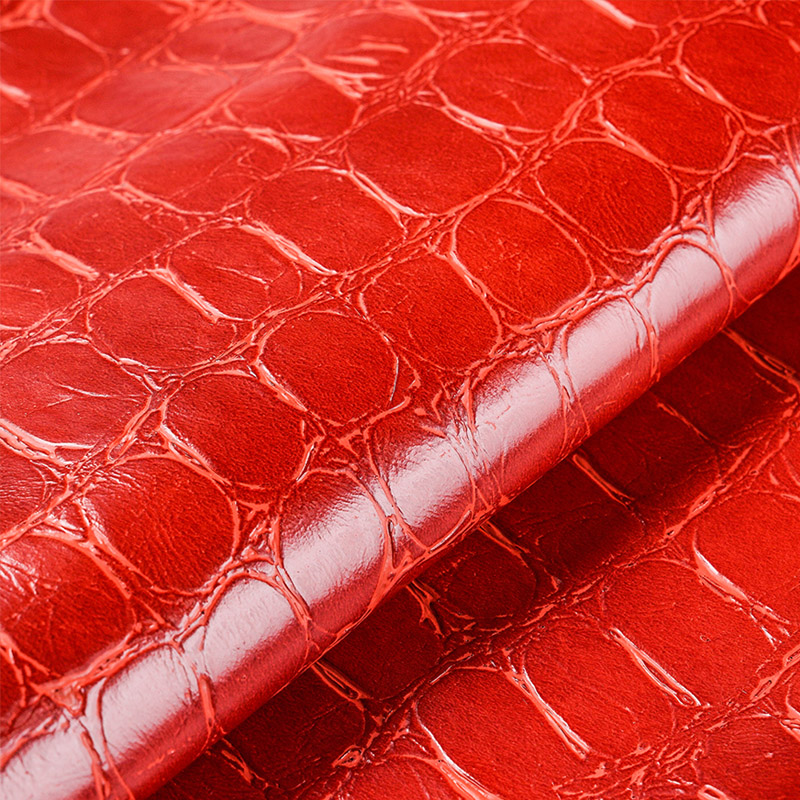
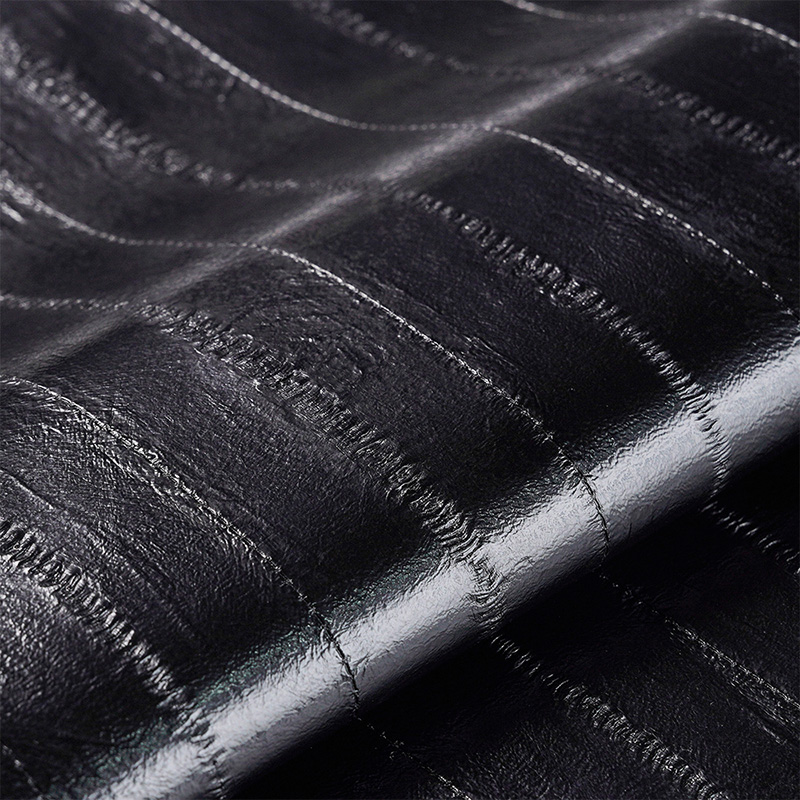
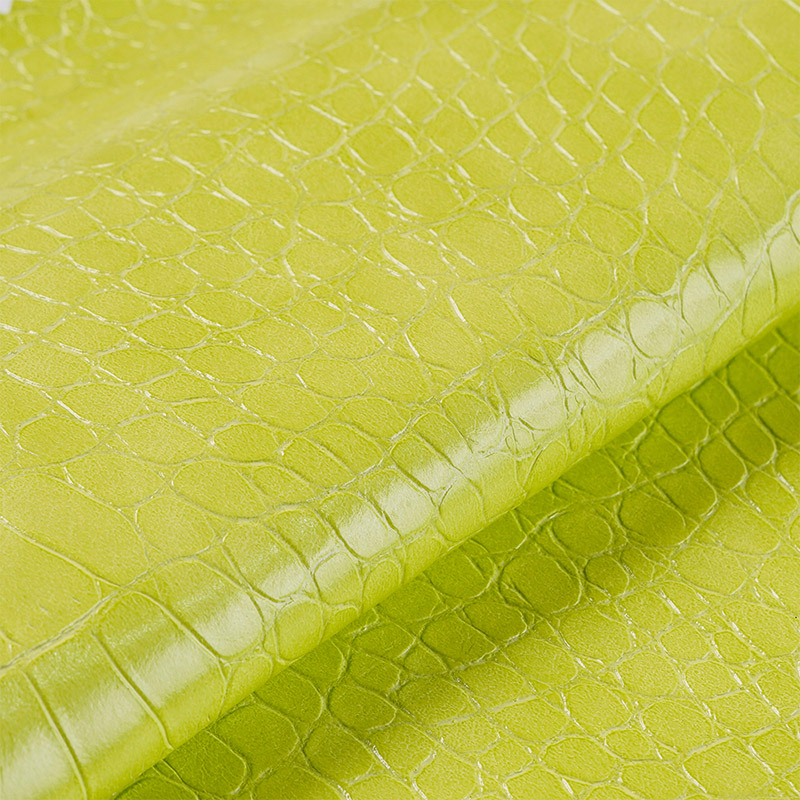
ZAKER is a China Rare Animal Patterns Leatherette suppliers and wholesale Rare Animal Patterns Leatherette factory. Leveraging a modern production base of nearly 50,000 square meters and over 100 patent technologies, it focuses on the exploration of low-pollution, plant-based, and recyclable new materials, continuously promoting the green transformation of the industry, and through its independent innovation technology platform, forming a diversified product system centered on water-based synthetic leather, biogenic synthetic leather, and functional high-end coating materials, which are widely applied in fashion clothing, luggage, shoe materials, home furniture, automotive interiors, consumer electronics, and other fields.
Rare Animal Patterns Leatherette
Rare Animal Patterns Leatherette Suppliers
About
Zhejiang ZAKER New Material Technology Co., Ltd.
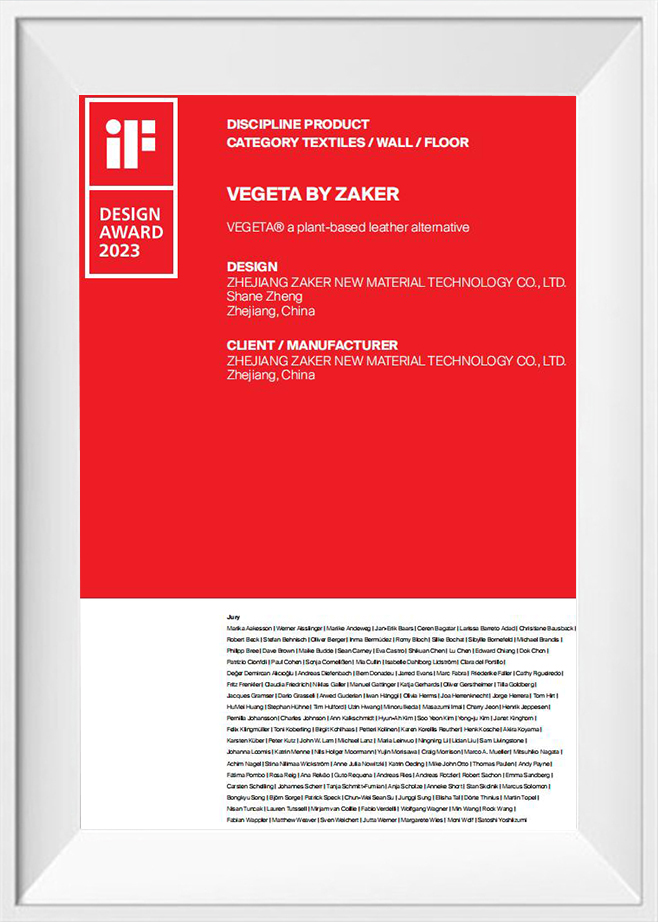
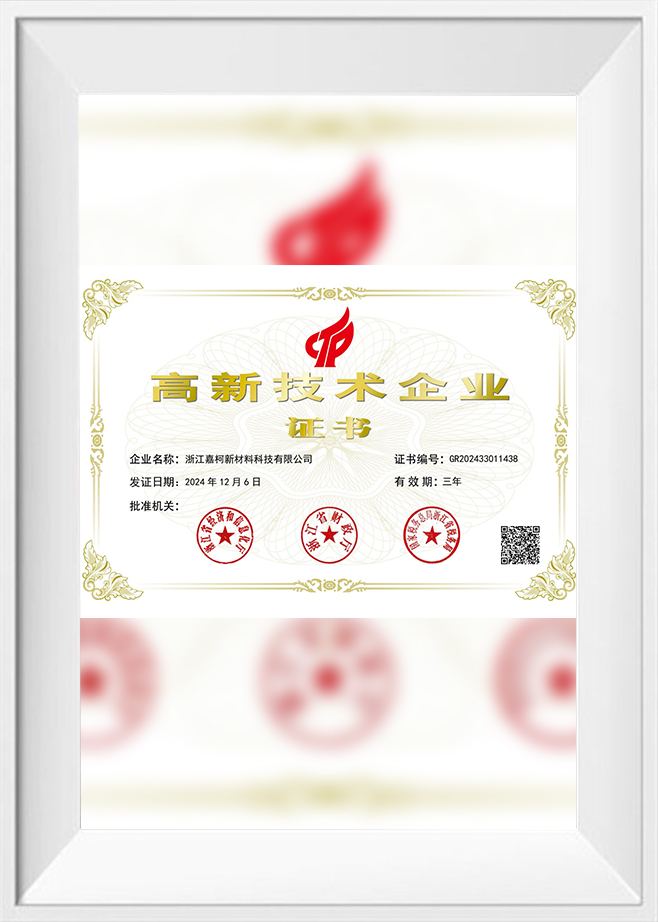
Certificate Of Honor
Message Feedback
Update News And Events
-
2026.10.16How Should Buyers Test Bio-Based Leatherette Before Moving to Production?A material sample can look promising in the showroom and still create unexpected problems during production. For companies developing automotive interiors, furniture, footwear, bag
-
2026.10.09Should Buyers Look Beyond the Bio-Based Label When Choosing Leatherette?The move toward bio-based materials is creating new options for automotive interiors, furniture, footwear, bags, and other applications that traditionally rely on leather or synthe
-
2026.09.30ZAKER: How Does the Traceability System Penetrate the Supply Chain?ZAKER The compliance requirements for global supply chains keep escalating. Downstream brands in apparel, luggage, automotive interiors, home furnishings and other sectors are impo
-
2026.09.30ZAKER: A Differentiated Path for Plant-Based Leather in New Energy VehiclesThe new energy vehicle industry continues to iterate at high speed, with the race toward electrification and intelligence now entering its second half. Today, when consumers choose
-
2026.10.02Can Bio-Based Leatherette Meet the Performance Demands of Modern Products?For buyers sourcing materials for automotive interiors, furniture, footwear, bags, and other consumer products, sustainability is increasingly being considered alongside durability
Animal Print Faux Leather: Why Exotic Surface Patterns Continue to Influence Fashion Materials
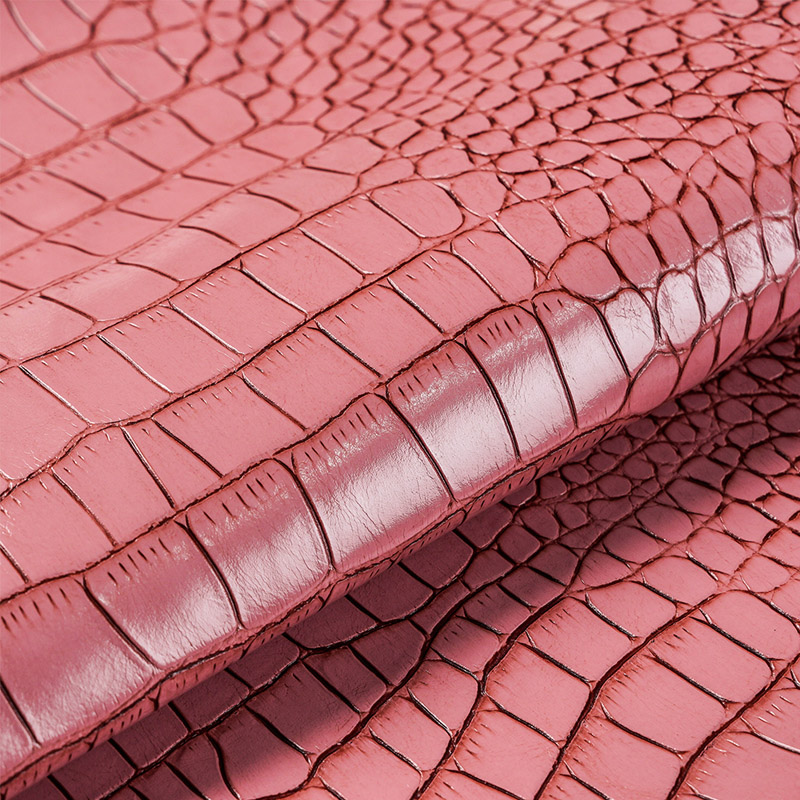
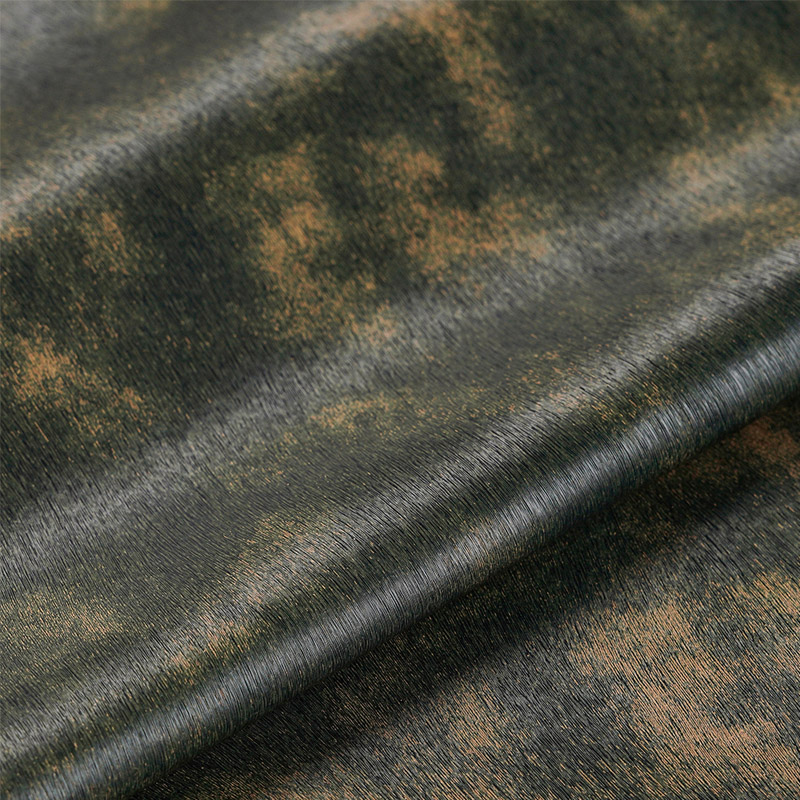
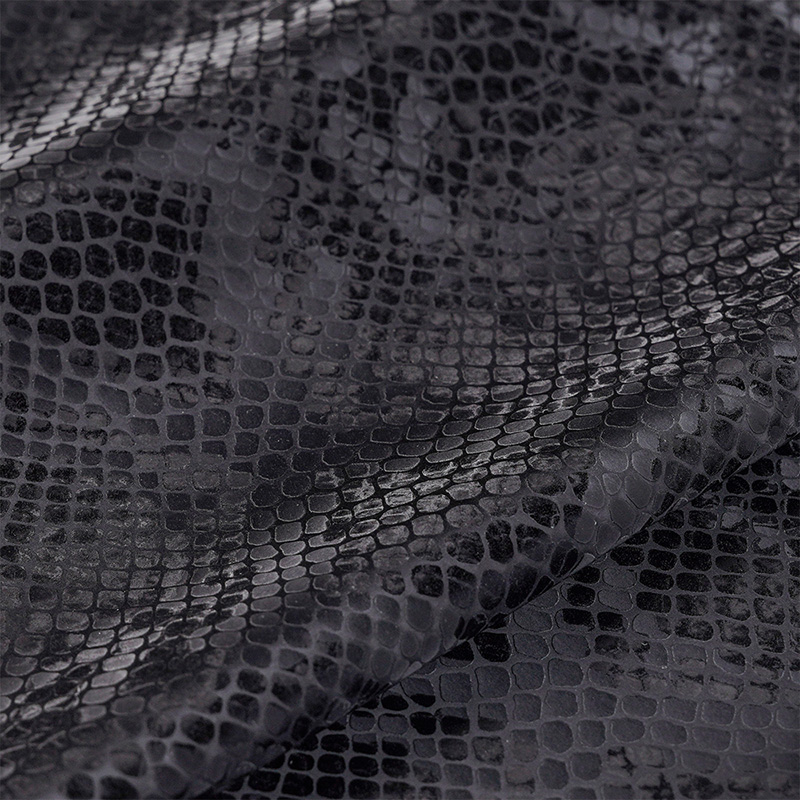
In synthetic leather design, texture is often used to imitate natural materials. But some surfaces are designed less for realism and more for visual identity. This is especially true for Rare Animal Patterns Leatherette, Animal Print Faux Leather, and PU Leather Animal Pattern materials.
These surfaces are not simply about reproducing leather—they are about creating recognition. Whether inspired by reptile scales, wild cat markings, ostrich textures, or abstract exotic patterns, animal-print leatherette has become a design category of its own across fashion, accessories, interiors, and decorative products.
The purpose is rarely subtlety. These materials are chosen because they immediately change the personality of a product.
Why Animal Patterns Never Fully Disappear From Fashion
Fashion trends move constantly, yet animal-inspired surfaces repeatedly return in different forms.
Part of the reason is psychological. Natural animal patterns already contain irregular rhythm, contrast, and texture variation that the human eye notices quickly. Even when reproduced artificially, these patterns still create visual energy that flat surfaces cannot provide.
Animal-print faux leather is often used when designers want products to feel:
- more expressive
- more fashion-oriented
- visually layered
- less minimal and restrained
- more recognizable at distance
Unlike smooth monochrome materials, patterned leatherette communicates identity immediately.
What Makes Rare Animal Patterns Different From Standard Embossing
Standard synthetic leather embossing often focuses on subtle grain texture. Rare animal patterns work differently.
The surface usually combines:
- deeper embossing variation
- stronger contrast between raised and recessed areas
- multi-tone color finishing
- directional texture effects
- irregular pattern repetition
Because of this complexity, the material behaves differently under light. Certain areas become more reflective, while others appear darker or shadowed.
This creates movement across the surface even when the product itself is still.
PU Leather Animal Pattern and Surface Engineering
Most animal-pattern synthetic leather is produced using PU-based coating systems because polyurethane allows greater flexibility in both embossing precision and surface finishing.
Manufacturers can simulate:
- crocodile-inspired scaling
- snakeskin texture
- ostrich-style follicle patterns
- lizard-inspired geometry
- abstract exotic textures
Interestingly, many modern designs no longer aim for exact biological realism. Instead, they exaggerate pattern depth or alter proportions to create more fashion-driven interpretations.
The material becomes inspired by nature rather than strictly imitating it.
Why Animal Print Faux Leather Works Well in Accessories
Animal-pattern materials are especially common in smaller fashion products because they concentrate visual impact into a compact area.
This includes:
- handbags
- wallets
- belts
- footwear accents
- watch straps
- phone cases
On smaller items, patterned surfaces help products feel more detailed without requiring additional decoration.
A simple bag silhouette can look entirely different once covered in embossed reptile-style PU leather.
The Role of Contrast and Light
One reason animal-pattern leatherette remains visually effective is because embossed surfaces interact strongly with lighting.
Raised areas catch highlights differently from recessed areas, which creates:
- depth without extra construction
- stronger edge visibility
- more dimensional color appearance
- a sense of movement across the surface
This effect becomes even stronger when combined with:
- metallic coatings
- glossy top layers
- matte-and-shine contrast finishing
- gradient dye techniques
As a result, the same pattern can appear dramatically different depending on lighting conditions.
Rare Animal Patterns in Interior and Decorative Design
Although strongly associated with fashion, animal-pattern faux leather is also used in interiors where designers want accent surfaces rather than neutral backgrounds.
Common applications include:
- boutique hotel interiors
- statement seating
- luxury wall panels
- bar and lounge décor
- decorative cabinetry inserts
In these spaces, the material is usually applied selectively rather than across entire surfaces.
Too much pattern can overwhelm a space, but controlled placement creates strong visual focus.
Why Synthetic Animal Patterns Became More Important
Historically, exotic animal textures were associated with natural exotic skins. Today, synthetic alternatives are increasingly preferred in commercial production.
This shift is driven by several factors:
- easier large-scale consistency
- broader color flexibility
- reduced cost variability
- lighter material weight
- easier maintenance
- wider design customization possibilities
PU leather animal patterns also allow manufacturers to experiment with colors and finishes that would not naturally exist in genuine animal skins.
This creative freedom is one reason synthetic versions continue expanding.
From Realistic to Stylized Surface Design
One noticeable trend in recent years is the move away from fully realistic animal imitation.
Instead of trying to perfectly reproduce natural skin, designers are increasingly using:
- oversized reptile scales
- softened animal-inspired geometry
- abstract wildlife textures
- hybrid embossed patterns
- tonal-on-tonal animal finishes
This makes the material feel more contemporary and less costume-oriented.
The goal becomes texture expression rather than literal imitation.
The Balance Between Boldness and Wearability
Animal-pattern leatherette is visually strong, which means balance becomes important in product design.
Manufacturers and designers often reduce visual intensity through:
- matte finishing
- muted color palettes
- smaller embossing scale
- monochromatic pattern treatments
- softer contrast coatings
These adjustments allow the material to remain expressive without becoming overly aggressive visually.
This is especially important in luxury-inspired fashion where refinement matters more than novelty.
Material Development Trends
Animal-pattern synthetic leather continues evolving alongside broader material innovation.
Current directions include:
- softer embossed PU constructions
- lightweight exotic-pattern leatherette
- recycled synthetic leather bases
- water-based embossing systems
- hybrid matte-metallic exotic finishes
- digitally enhanced animal textures
Manufacturers are also focusing on making embossed patterns feel more natural to the touch rather than purely decorative.