
 English
 中文简体
中文简体 日本語
日本語 Español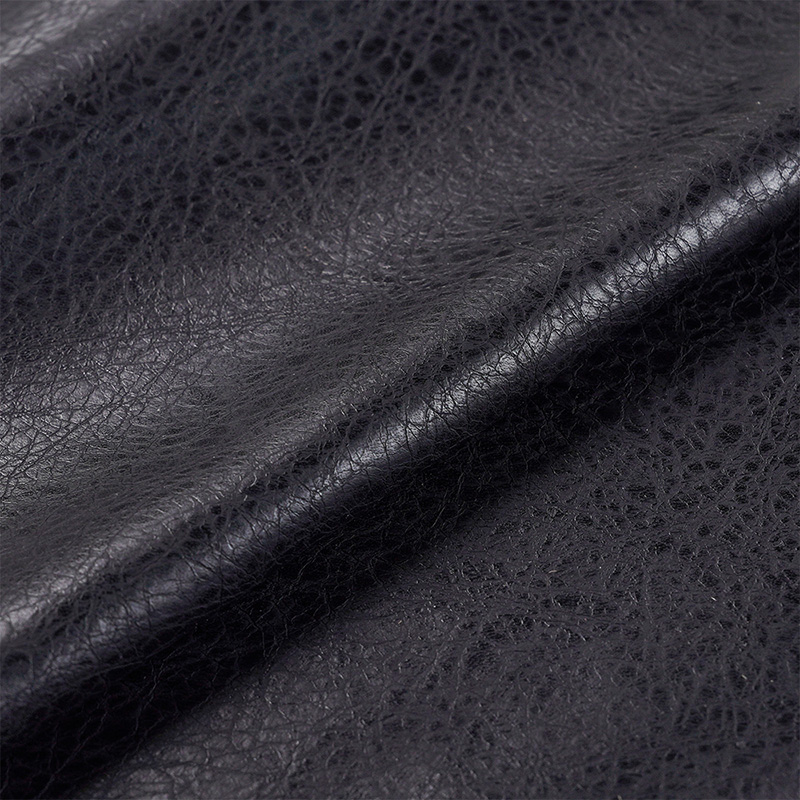
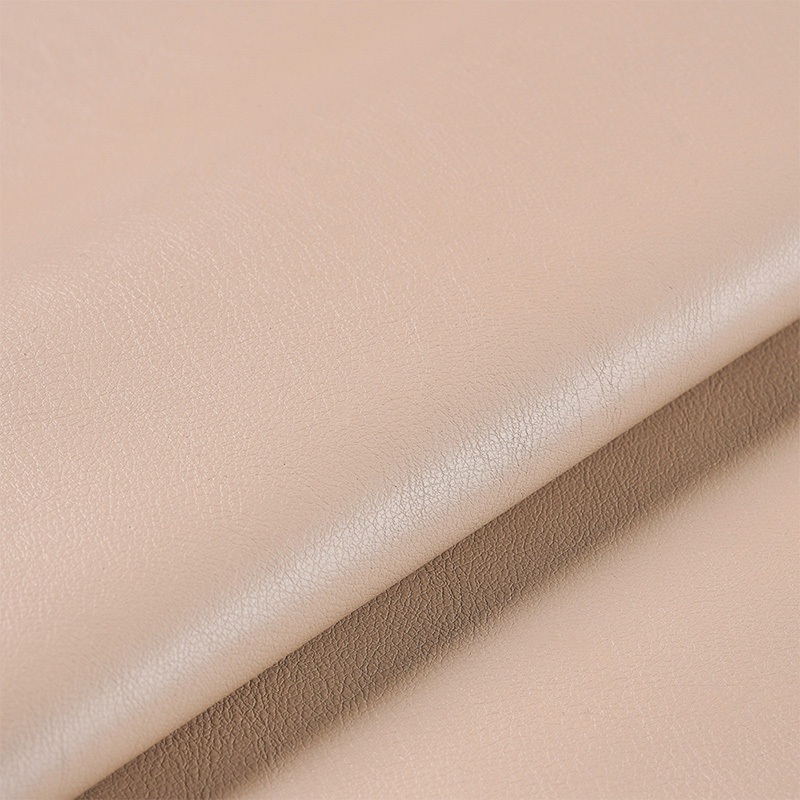
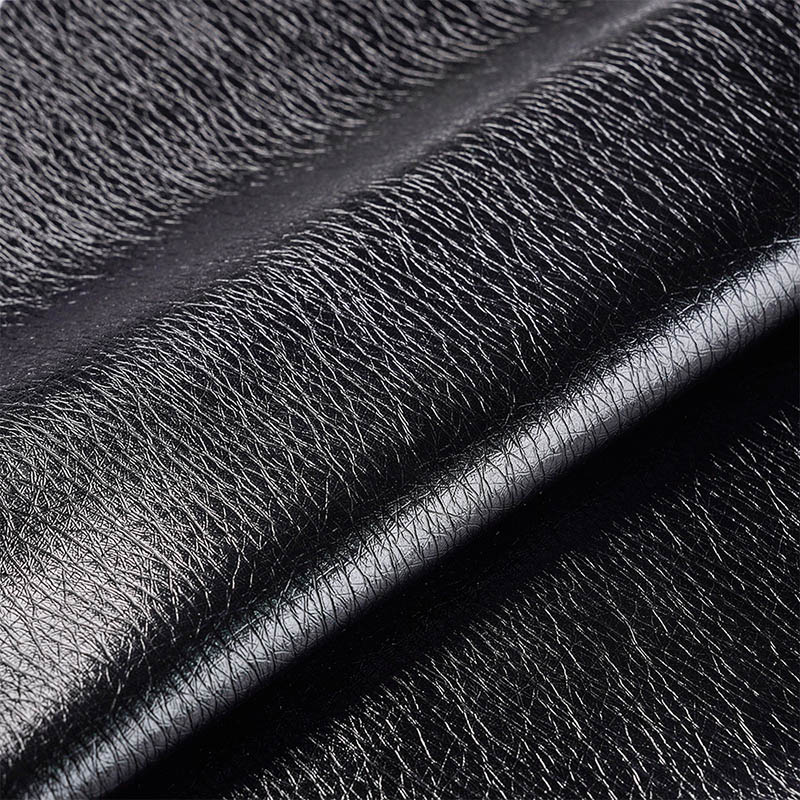
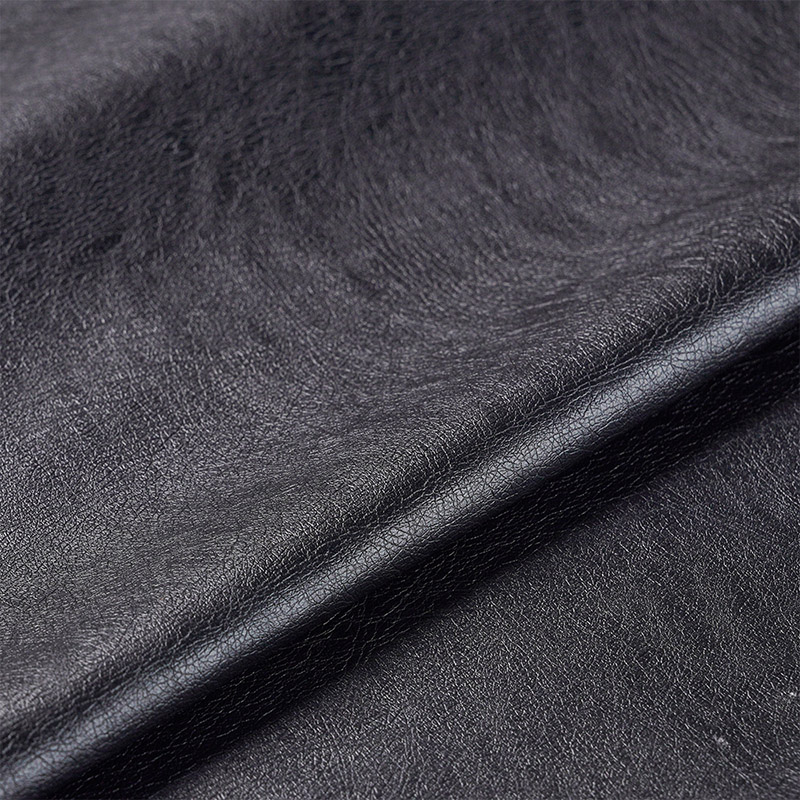
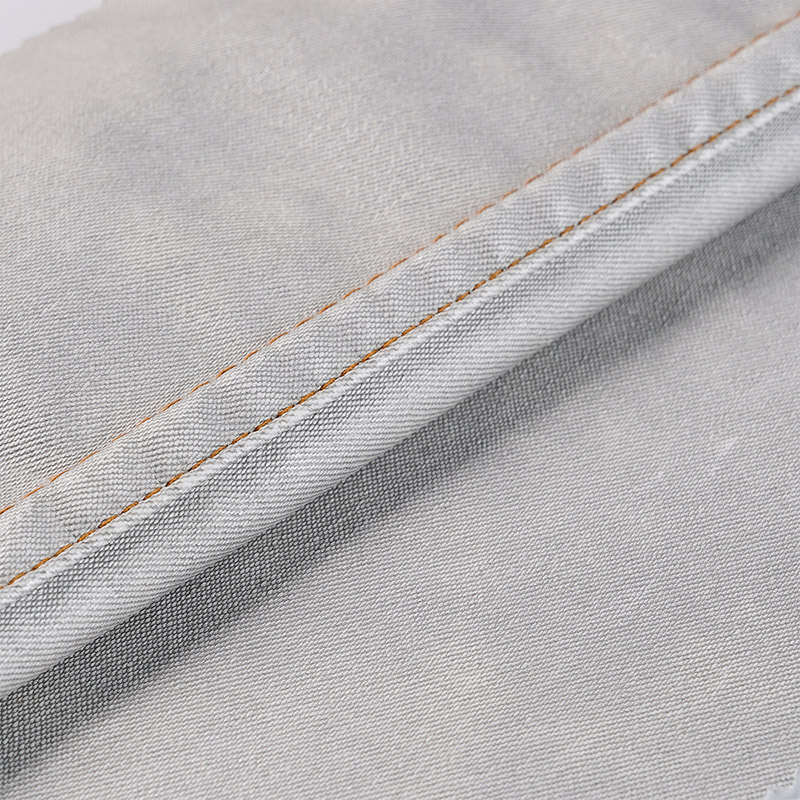
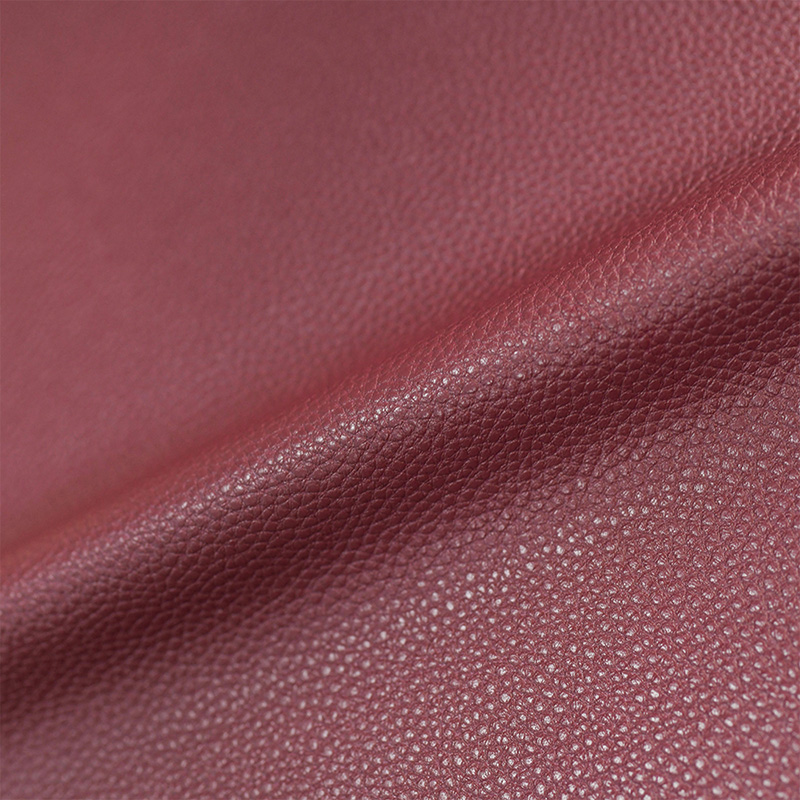
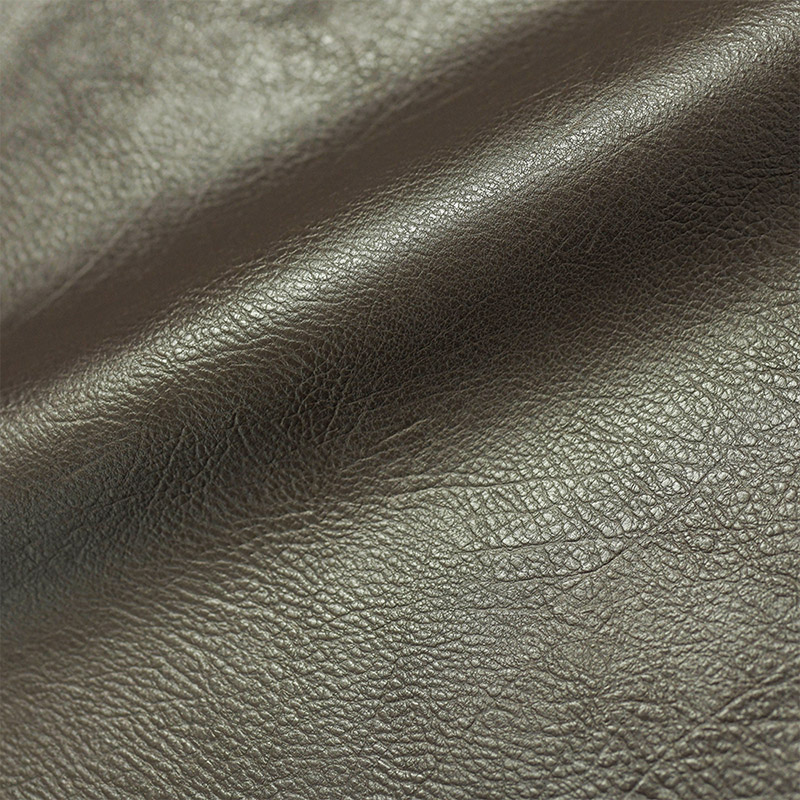
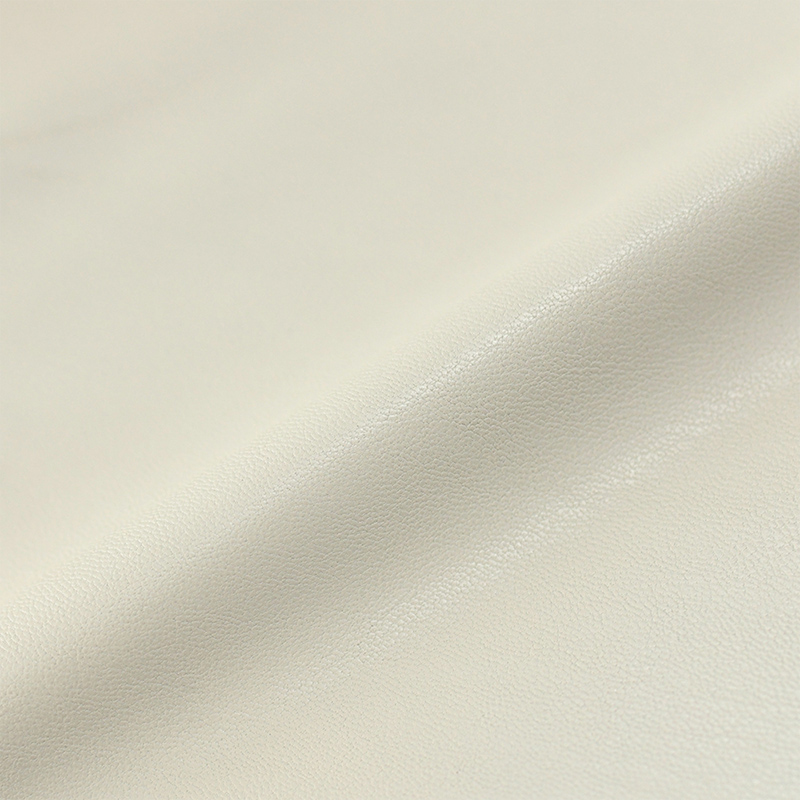
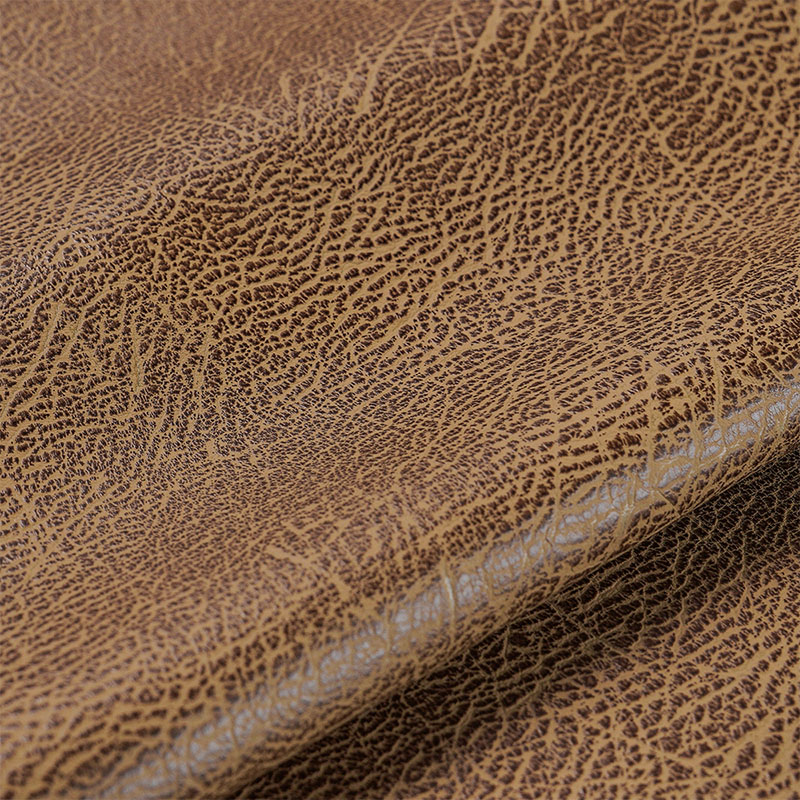
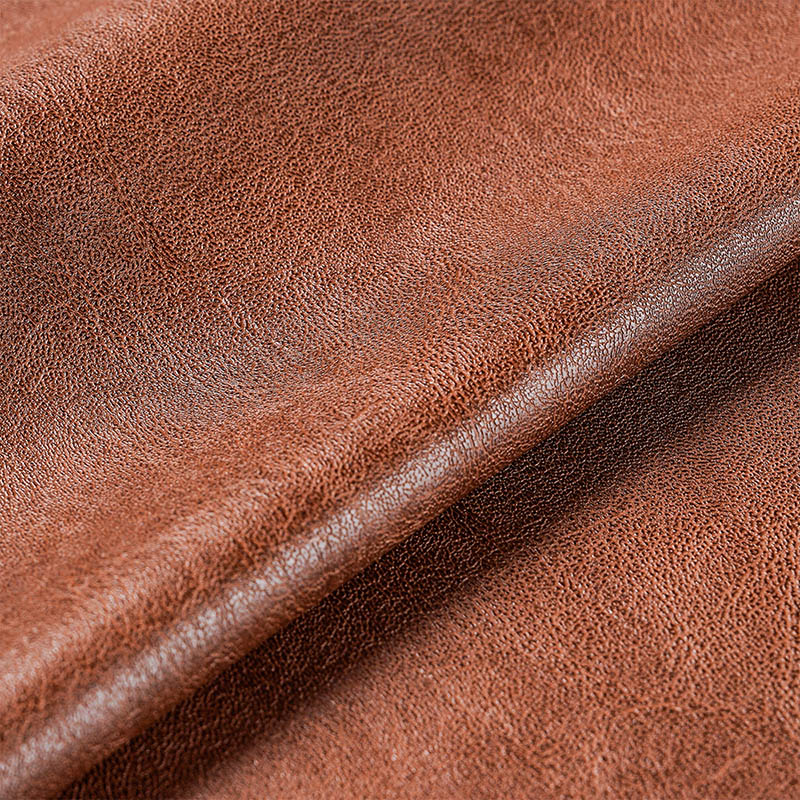
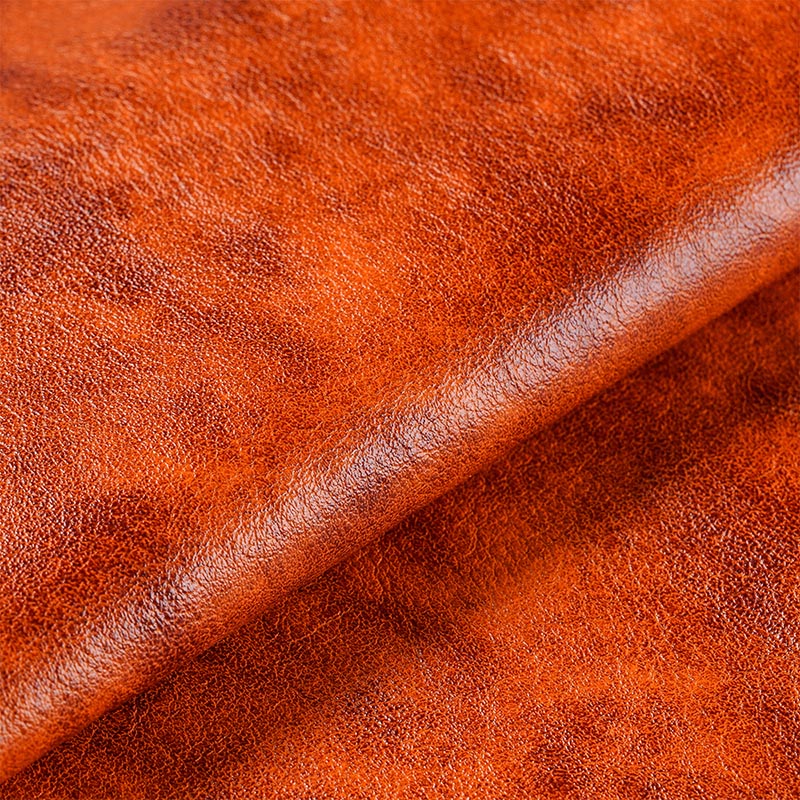
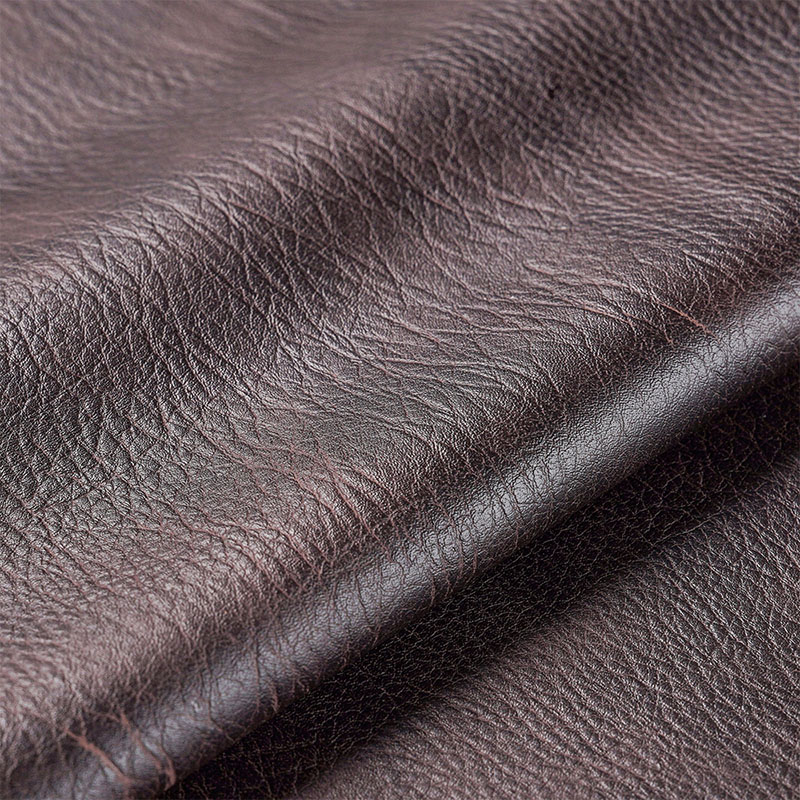
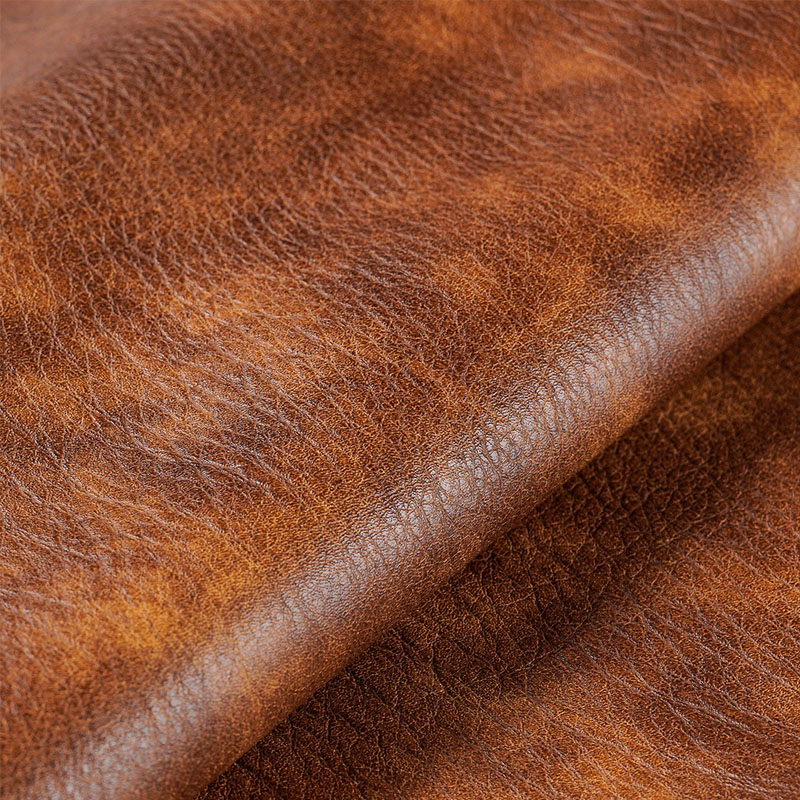
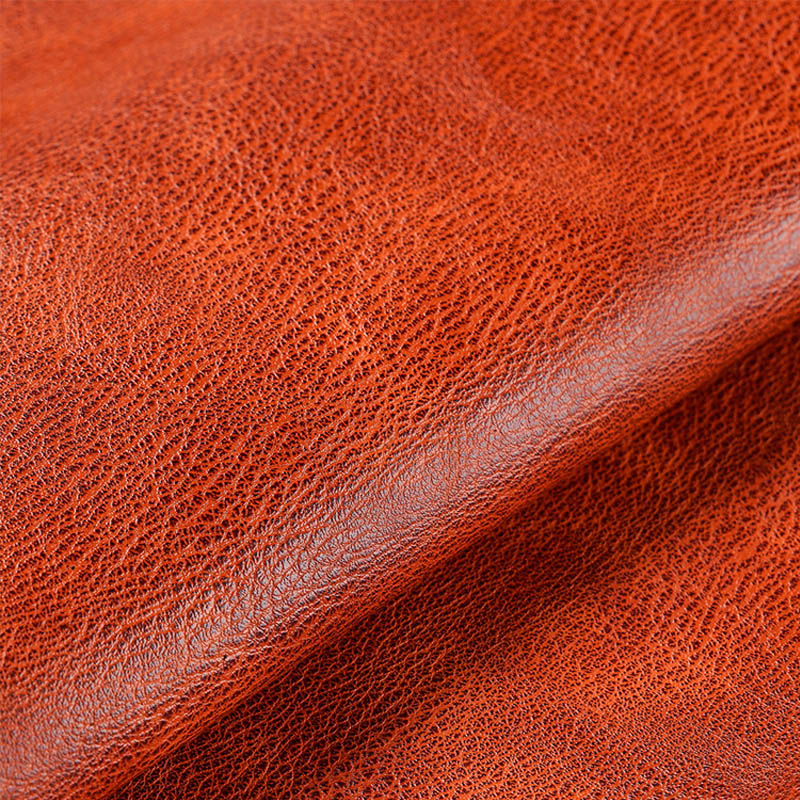
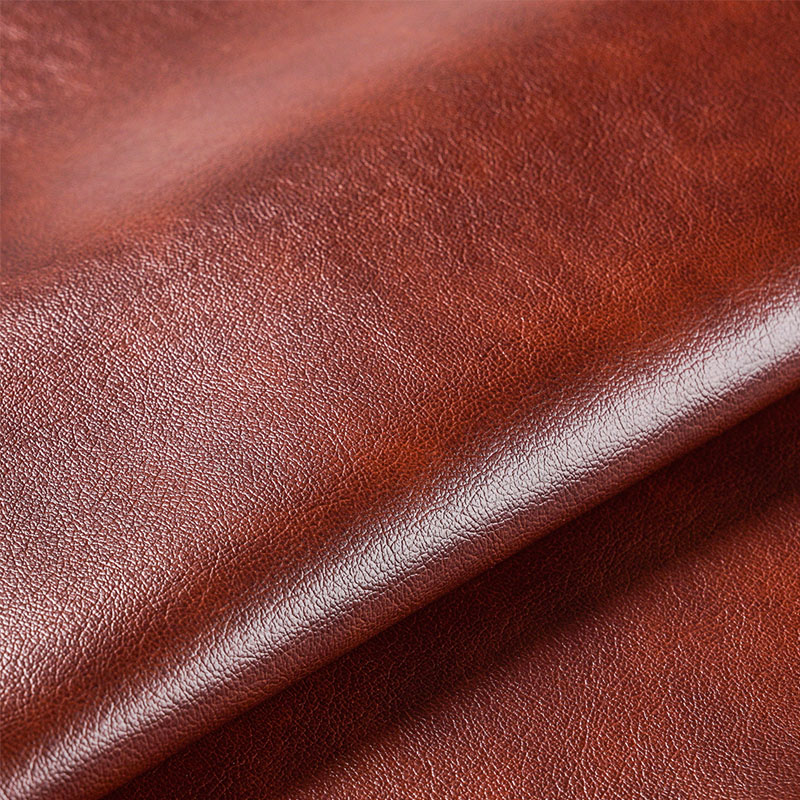
ZAKER is a China DMF-free Leatherette suppliers and wholesale VOC-free Leatherette factory. Leveraging a modern production base of nearly 50,000 square meters and over 100 patent technologies, it focuses on the exploration of low-pollution, plant-based, and recyclable new materials, continuously promoting the green transformation of the industry, and through its independent innovation technology platform, forming a diversified product system centered on water-based synthetic leather, biogenic synthetic leather, and functional high-end coating materials, which are widely applied in fashion clothing, luggage, shoe materials, home furniture, automotive interiors, consumer electronics, and other fields.
AQUAE®
DMF-free Leatherette Manufacturer
Adopts waterborne polyurethane technology. Compared with traditional solvent-based polyurethane that uses organic solvents such as dimethylformamide (DMFa), it uses water as the dispersion medium, reducing volatile organic compound (VOCs) emissions during production and being more environmentally friendly and healthier. (SafeWorkplace)
Waterborne Artificial Leather Technology: Scale Ready
Since fulfilling the first 3,000-meter order with an international fashion brand in 2016, we achieved specialized large-scale production at an independent factory in 2022, with a cumulative production and sales volume exceeding 10 million meters. Boasting stable production processes and high market acceptance, we continue to expand its applications in fashion, 3C, and other sectors.
About
Zhejiang ZAKER New Material Technology Co., Ltd.
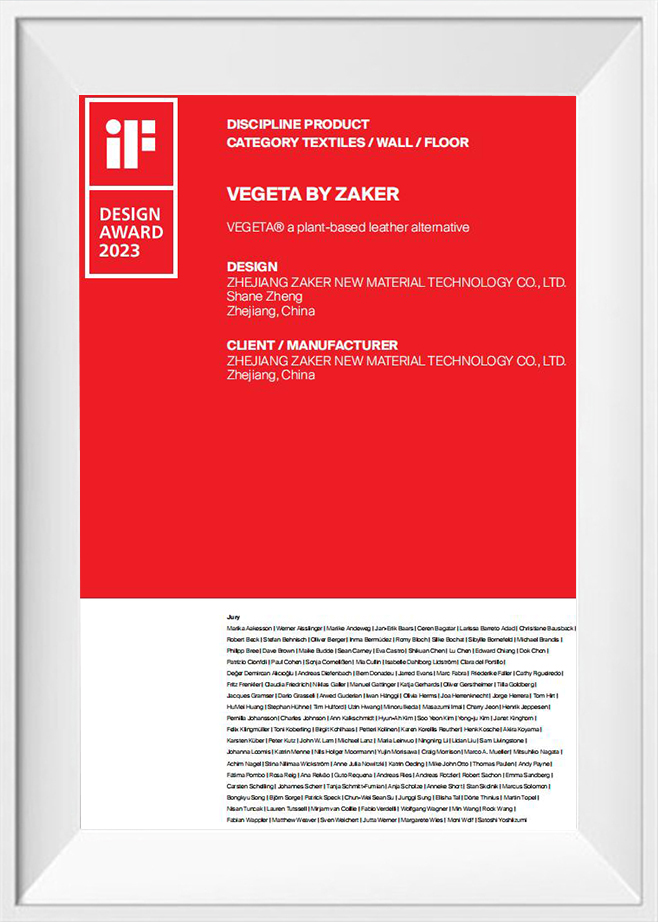
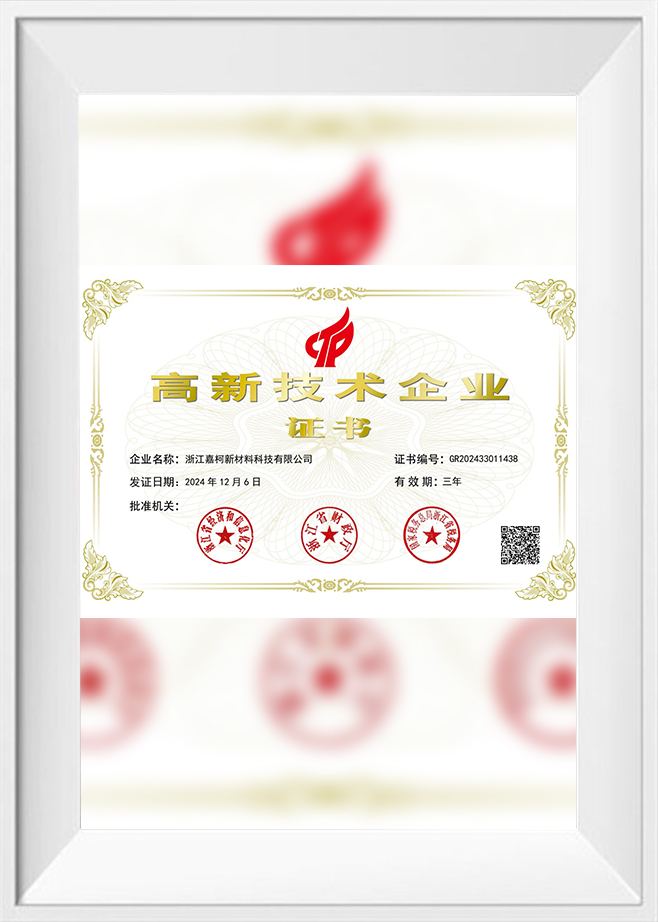
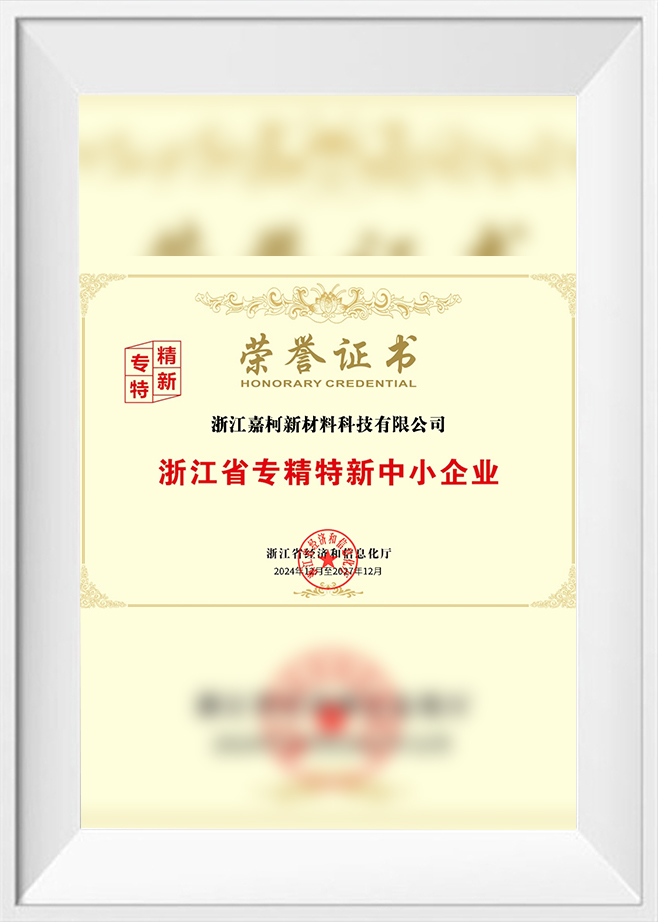
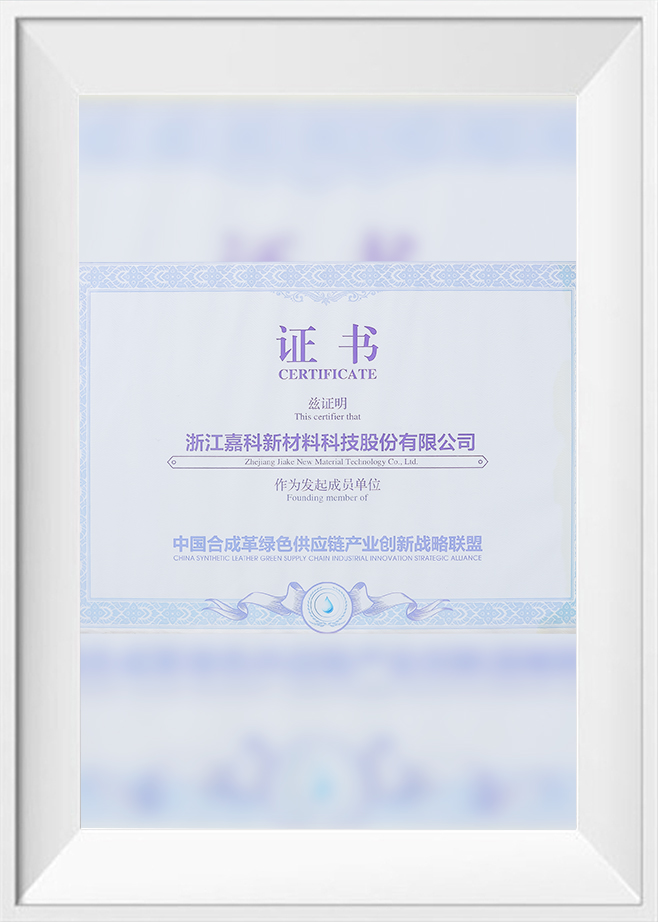
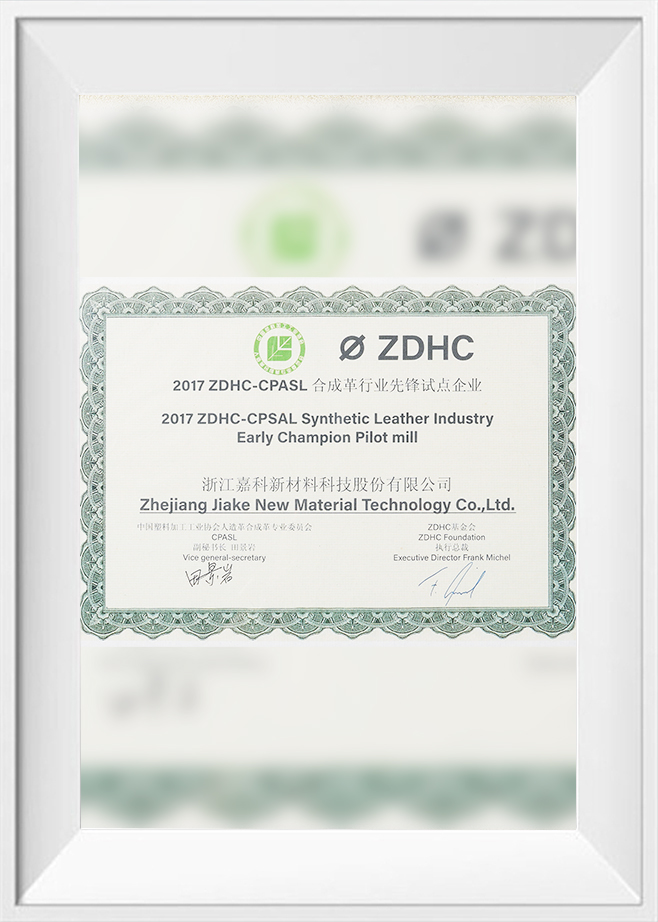
Certificate Of Honor
Message Feedback
Update News And Events
-
2026.10.16How Should Buyers Test Bio-Based Leatherette Before Moving to Production?A material sample can look promising in the showroom and still create unexpected problems during production. For companies developing automotive interiors, furniture, footwear, bag
-
2026.10.09Should Buyers Look Beyond the Bio-Based Label When Choosing Leatherette?The move toward bio-based materials is creating new options for automotive interiors, furniture, footwear, bags, and other applications that traditionally rely on leather or synthe
-
2026.09.30ZAKER: How Does the Traceability System Penetrate the Supply Chain?ZAKER The compliance requirements for global supply chains keep escalating. Downstream brands in apparel, luggage, automotive interiors, home furnishings and other sectors are impo
-
2026.09.30ZAKER: A Differentiated Path for Plant-Based Leather in New Energy VehiclesThe new energy vehicle industry continues to iterate at high speed, with the race toward electrification and intelligence now entering its second half. Today, when consumers choose
-
2026.10.02Can Bio-Based Leatherette Meet the Performance Demands of Modern Products?For buyers sourcing materials for automotive interiors, furniture, footwear, bags, and other consumer products, sustainability is increasingly being considered alongside durability
Why DMF-Free, VOC-Free and Water-Based PU Leatherette Are Redefining Modern Synthetic Leather Materials
In the synthetic leather industry, material innovation is no longer just about texture or appearance. Increasingly, it is about chemistry, compliance, and what actually happens inside a closed environment over time.
That shift is why terms like DMF-free leatherette, VOC-free leatherette, and water-based PU leatherette are showing up more often in automotive, furniture, and consumer product sourcing conversations.
They are not just marketing labels. In many cases, they reflect real differences in formulation and regulatory direction.
DMF-Free Leatherette: What It Really Means in Production
DMF (Dimethylformamide) is a solvent historically used in PU synthetic leather production processes. It helps dissolve and stabilize certain polymer systems during manufacturing.
However, DMF has also raised health and environmental concerns, especially in regions with stricter chemical safety regulations.
When suppliers label a product as DMF-free leatherette, it generally means the production process avoids this solvent entirely, replacing it with alternative systems such as water-based or low-toxicity formulations.
In practical sourcing terms, DMF-free is less about appearance and more about:
- worker safety in manufacturing environments
- compliance with EU REACH restrictions
- export readiness for regulated markets
reduced chemical residue risk in finished materials
In industries like automotive interiors, this becomes more important because materials are used in enclosed spaces for long durations.
VOC-Free Leatherette and Indoor Air Quality Expectations
VOC (Volatile Organic Compounds) emissions are another key factor influencing modern material selection.
VOC-free leatherette refers to synthetic leather materials designed to minimize or eliminate volatile emissions after installation or use.
Unlike traditional assumptions, VOC concerns are not limited to industrial regulations. They directly affect user experience.
For example, in a new vehicle or freshly furnished interior space, strong odor is often associated with poor material quality—even if the product itself is structurally sound.
That is why VOC-free leatherette materials are increasingly evaluated in:
- automotive cabin interiors
- public transportation seating
- office furniture systems
- hospitality environments
- baby and healthcare-related products
In many procurement processes, VOC performance is now reviewed alongside abrasion resistance and tensile strength, not after them.
Water-Based PU Leatherette: A Shift in Material Chemistry
Water-Based PU Leatherette represents one of the most significant formulation changes in the synthetic leather industry over the past decade.
Instead of relying on solvent-based polyurethane systems, water-based PU uses water as the primary dispersion medium for coating and finishing processes.
This does not just reduce emissions—it changes the entire production logic.
In many cases, water-based PU leatherette is associated with:
- lower odor levels
- improved environmental compliance
- reduced hazardous solvent usage
- better suitability for export markets
- more stable regulatory approval pathways
However, it is not simply a “cleaner version” of PU leather. The performance profile depends heavily on formulation control, curing process, and substrate compatibility.
Some manufacturers still find challenges in balancing softness, durability, and hydrolysis resistance at the same time, which is why not all water-based systems perform equally in real-world applications.
Where These Materials Are Actually Used (Beyond Marketing Claims)
Although these terms often appear in product descriptions, their real-world application is quite specific.
In automotive interiors, for example, DMF-free and VOC-free leatherette materials are increasingly used in:
- seat upholstery systems
- door panel surfaces
- headrests and armrests
- dashboard soft-touch layers
In furniture and interior design, water-based PU leatherette is commonly selected for:
- office seating
- commercial sofas
- hotel interior finishes
- public space furniture systems
The selection is rarely based on one single property. Instead, it usually comes down to how well the material performs under multiple constraints—odor control, durability, compliance, and cost balance.
How These Three Material Types Compare in Real Usage
While they are often mentioned together, DMF-free, VOC-free, and water-based PU leatherette are not identical categories.
They overlap, but they are not interchangeable.
- DMF-free focuses mainly on production solvent safety
- VOC-free focuses on post-use air quality and emissions
- Water-based PU focuses on coating system and formulation technology
In some cases, a water-based PU leatherette can also be DMF-free and low-VOC at the same time, but that depends entirely on how the system is engineered.
From a buyer’s perspective, the real comparison is usually not theoretical. It is about:
- whether the material passes compliance testing
- how stable it is during long-term use
- whether it meets export certification requirements
- and how predictable it is in mass production
That is why sourcing teams often test samples more than they rely on technical datasheets.
Why the Industry Is Moving in This Direction
The growing demand for DMF-free, VOC-free, and water-based PU leatherette is not driven by a single factor.
It comes from multiple pressures happening at the same time:
- stricter environmental regulations in export markets
- increasing sensitivity to indoor air quality
- OEM sustainability requirements
- and growing expectations for safer consumer environments
At the same time, synthetic leather is no longer positioned as a low-cost alternative. It is now a material category with its own engineering requirements.
And in many sourcing discussions, compliance and stability are becoming just as important as appearance or price.
Some suppliers have already fully adapted to this shift. Others are still in transition, especially in cost-sensitive segments where older solvent-based systems remain in use.
The gap between these two groups is becoming more visible in real procurement decisions.