
 English
 中文简体
中文简体 日本語
日本語 Español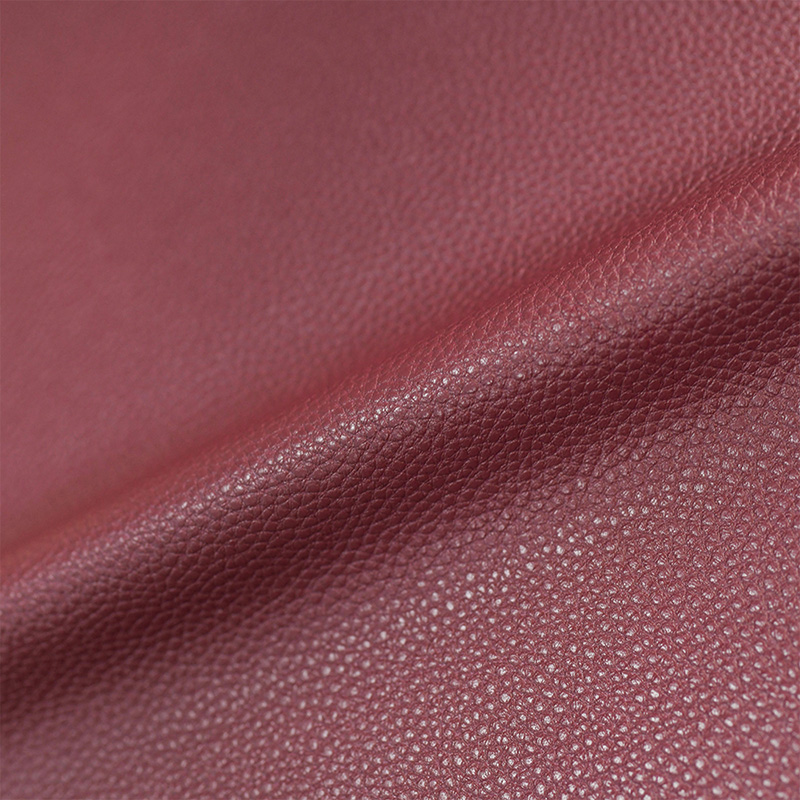
ZAKER is a China Litchi Grain Leatherette suppliers and wholesale Litchi Grain Leatherette factory. Leveraging a modern production base of nearly 50,000 square meters and over 100 patent technologies, it focuses on the exploration of low-pollution, plant-based, and recyclable new materials, continuously promoting the green transformation of the industry, and through its independent innovation technology platform, forming a diversified product system centered on water-based synthetic leather, biogenic synthetic leather, and functional high-end coating materials, which are widely applied in fashion clothing, luggage, shoe materials, home furniture, automotive interiors, consumer electronics, and other fields.
About
Zhejiang ZAKER New Material Technology Co., Ltd.
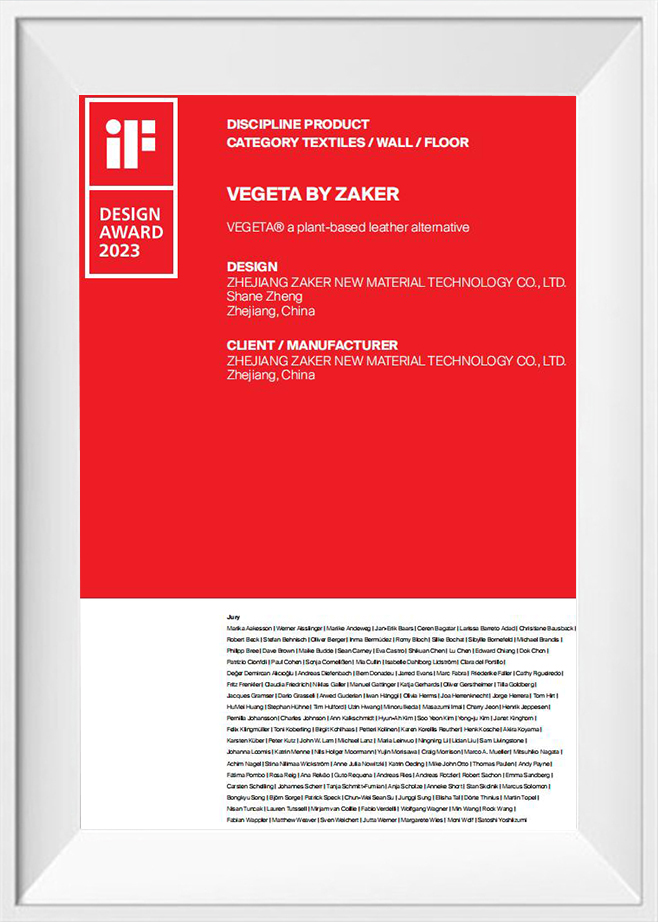
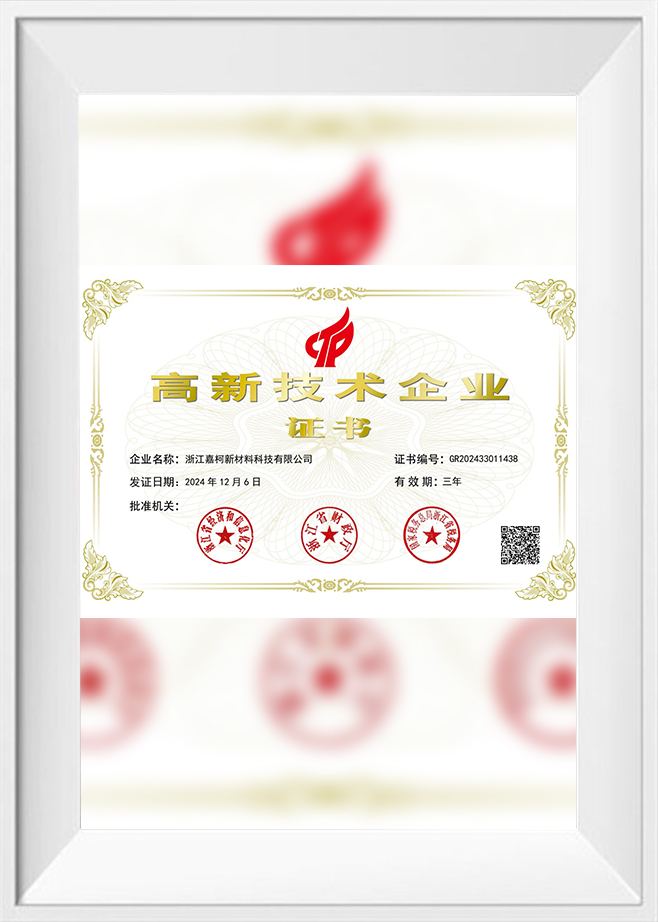
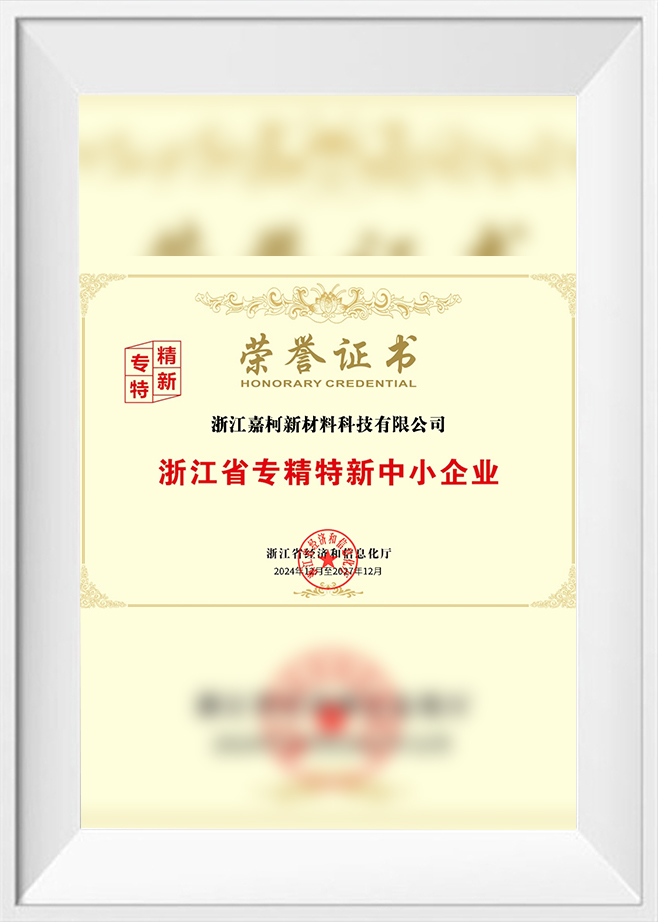
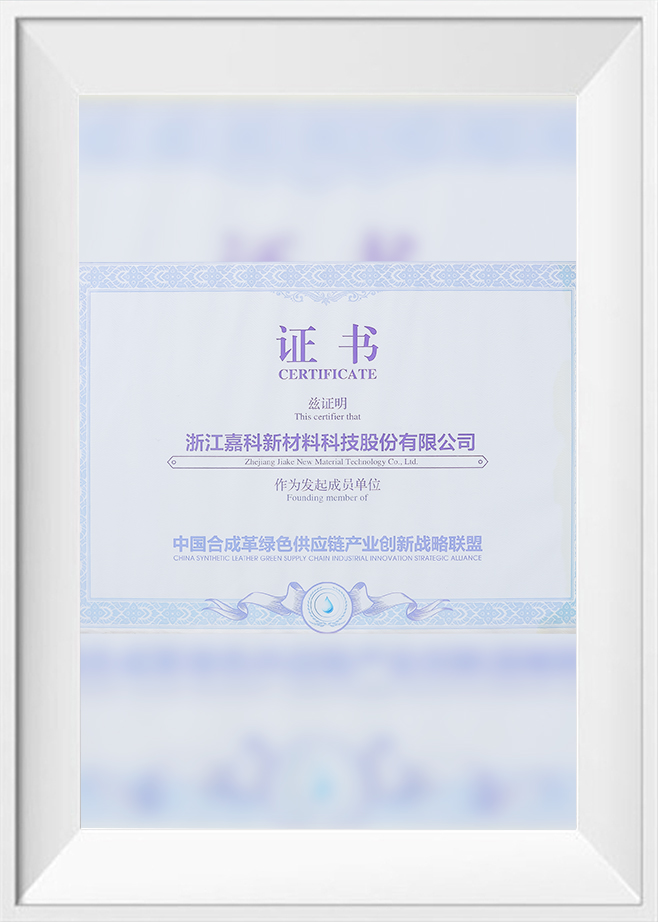
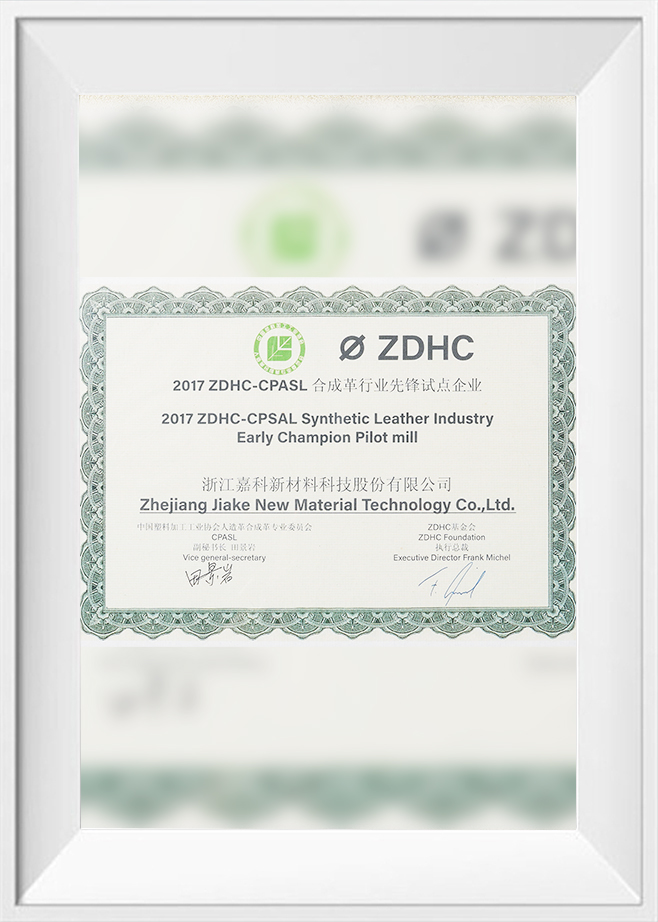
Certificate Of Honor
Message Feedback
Update News And Events
-
2026.10.16How Should Buyers Test Bio-Based Leatherette Before Moving to Production?A material sample can look promising in the showroom and still create unexpected problems during production. For companies developing automotive interiors, furniture, footwear, bag
-
2026.10.09Should Buyers Look Beyond the Bio-Based Label When Choosing Leatherette?The move toward bio-based materials is creating new options for automotive interiors, furniture, footwear, bags, and other applications that traditionally rely on leather or synthe
-
2026.09.30ZAKER: How Does the Traceability System Penetrate the Supply Chain?ZAKER The compliance requirements for global supply chains keep escalating. Downstream brands in apparel, luggage, automotive interiors, home furnishings and other sectors are impo
-
2026.09.30ZAKER: A Differentiated Path for Plant-Based Leather in New Energy VehiclesThe new energy vehicle industry continues to iterate at high speed, with the race toward electrification and intelligence now entering its second half. Today, when consumers choose
-
2026.10.02Can Bio-Based Leatherette Meet the Performance Demands of Modern Products?For buyers sourcing materials for automotive interiors, furniture, footwear, bags, and other consumer products, sustainability is increasingly being considered alongside durability
Why Textured Leatherette Materials Continue to Gain Attention in Modern Product Design
Smooth synthetic leather still has a strong place in the market, but textured surfaces are becoming increasingly important across furniture, accessories, automotive interiors, and commercial product design. Materials such as Litchi Grain Leatherette, Textured PU Leather, and Textured Leatherette Fabric are widely used because they add visual depth, improve tactile experience, and create a more refined appearance without relying on overly glossy finishes.
In many industries, texture is no longer treated as a decorative detail. It has become part of how customers judge quality, durability, and overall product value.
What Is Litchi Grain Leatherette?
Litchi grain leatherette is a synthetic leather material embossed with a texture inspired by the uneven surface pattern of litchi fruit skin. The grain is characterized by soft pebble-like patterns that create a natural and slightly raised surface effect.
This type of texture has become especially popular because it offers a balanced appearance — detailed enough to feel premium, but subtle enough to remain versatile across different product categories.
Unlike flat synthetic leather surfaces, litchi grain textures help reduce the artificial appearance often associated with lower-end materials.
Common Characteristics of Litchi Grain Leatherette
- Soft pebble-style grain pattern
- Matte or semi-matte surface
- Improved visual depth
- Better scratch concealment
- Comfortable tactile feel
- More natural leather-inspired appearance
Because of its balanced texture, litchi grain leatherette is frequently used in both fashion-oriented and commercial applications.
Understanding Textured PU Leather
Textured PU leather refers to polyurethane-based synthetic leather that includes embossed, pressed, or coated surface patterns designed to create additional texture and visual variation.
Texture styles can range from subtle natural grain effects to highly decorative patterns depending on the intended application.
Why Texture Matters in PU Leather
Texture affects more than appearance. It also changes how the material performs during daily use.
Visual Dimension
Embossed surfaces create depth and reduce the flat appearance common in smooth synthetic coatings.
Surface Durability Perception
Textured finishes often hide small scratches, wrinkles, or handling marks more effectively than glossy smooth materials.
Improved Grip and Handling
Some textured PU leather surfaces provide better friction and comfort in products frequently touched by users.
More Natural Aesthetic
Many buyers prefer textured synthetic leather because it feels visually closer to genuine leather.
These factors explain why textured PU leather remains highly popular in premium-looking product categories.
What Is Textured Leatherette Fabric?
Textured leatherette fabric is a broader term describing synthetic leather materials combined with embossed or patterned surfaces while maintaining fabric-like flexibility.
Depending on construction, textured leatherette fabric may include:
- PU-coated textiles
- Microfiber-based synthetic leather
- Foam-backed leatherette
- Stretchable leatherette fabrics
- Decorative embossed finishes
The material is widely used in applications requiring both softness and dimensional surface appearance.
Popular Texture Styles in Leatherette Materials
Different industries prefer different surface textures depending on product style and usage conditions.
Litchi Grain
One of the most commonly used textures due to its soft, natural appearance.
Crosshatch Texture
Frequently used in luxury packaging and fashion accessories for a cleaner geometric look.
Vintage Distressed Texture
Adds worn-in depth and casual visual character.
Fine Nappa-Inspired Grain
Creates a smoother and softer premium appearance.
Carbon Fiber Embossing
Popular in automotive and tech-inspired product designs.
Surface texture selection often plays a major role in product positioning and customer perception.
Why Textured Leatherette Is Widely Used Across Industries
Fashion Accessories
Textured PU leather is commonly applied in:
- Handbags
- Wallets
- Cosmetic cases
- Backpacks
- Belts
The grain texture helps products appear more premium while also reducing visible wear from everyday use.
Furniture and Upholstery
Litchi grain leatherette is widely used for:
- Sofas
- Dining chairs
- Office seating
- Hospitality furniture
- Headboards
Textured surfaces help large upholstered pieces feel warmer and visually softer.
Automotive Interiors
Vehicle interiors often use textured leatherette on:
- Seats
- Armrests
- Door trims
- Steering wheel wraps
Textures improve grip while also creating a more sophisticated interior appearance.
Packaging and Lifestyle Products
Textured leatherette fabric is increasingly common in:
- Jewelry boxes
- Watch packaging
- Premium notebooks
- Display cases
- Electronic accessories
The embossed surface helps packaging feel more layered and upscale.
Litchi Grain Leatherette vs Smooth Leatherette
| Feature | Litchi Grain Leatherette | Smooth Leatherette |
|---|---|---|
| Surface Appearance | Pebbled and textured | Flat and clean |
| Scratch Visibility | Less noticeable | More visible |
| Visual Style | Natural and dimensional | Minimal and modern |
| Grip | Better surface friction | Smoother handling |
| Common Applications | Bags, furniture, interiors | Fashion, minimalist products |
Many brands choose textured finishes because they create a stronger sense of material richness.
Key Considerations When Selecting Textured PU Leather
Although textured materials offer strong visual appeal, technical performance still remains important.
Grain Consistency
The embossing pattern should remain stable across large production batches.
Flexibility
Deep embossing should not reduce softness or bending performance.
Abrasion Resistance
Frequent-contact products require durable surface coatings.
Cleaning Compatibility
Some textures trap dirt more easily than smooth finishes, especially in upholstery applications.
Manufacturers often balance texture depth carefully depending on the target product category.
Current Material Trends Influencing Textured Leatherette
The market for textured synthetic leather continues evolving as brands seek more sophisticated surface designs.
Matte and Low-Gloss Finishes
Natural-looking textures are increasingly preferred over highly reflective coatings.
Softer Microfiber Structures
Combining texture with softer internal construction improves comfort and realism.
Water-Based PU Technology
Lower-emission production systems are becoming more common in premium synthetic leather manufacturing.
Recycled Synthetic Components
Some textured leatherette fabrics now incorporate recycled polyester backings or recycled polyurethane content.
These developments are helping textured PU leather move into more premium and environmentally conscious product segments.
Litchi grain leatherette, textured PU leather, and textured leatherette fabric continue gaining popularity because they combine visual depth, practicality, and design flexibility. Rather than relying on perfectly smooth surfaces, these materials use texture to create a more natural, comfortable, and refined appearance.
For manufacturers and designers, textured synthetic leather offers greater freedom to shape product identity while maintaining the consistency and scalability required for modern production.