
 English
 中文简体
中文简体 日本語
日本語 Español
ZAKER is a China Recycled PU Leather suppliers and wholesale Circular Textiles factory. Leveraging a modern production base of nearly 50,000 square meters and over 100 patent technologies, it focuses on the exploration of low-pollution, plant-based, and recyclable new materials, continuously promoting the green transformation of the industry, and through its independent innovation technology platform, forming a diversified product system centered on water-based synthetic leather, biogenic synthetic leather, and functional high-end coating materials, which are widely applied in fashion clothing, luggage, shoe materials, home furniture, automotive interiors, consumer electronics, and other fields.
ReGlyn™
Recycled PU Leather Suppliers
The application of bio-based waterborne polyurethane in synthetic leather manufacturing provides a sustainable material option for fields such as fashion, automotive interiors, and home furnishings. Building on this, chemical-based high-value recycling and utilization of waste synthetic leather are carried out. Methods like chemical depolymerization are used to convert it back into usable monomers or raw materials, forming a complete sustainable closed-loop of "production - use - recycling - reproduction". This greatly improves the material recycling rate, shifts from a linear model to a circular one, and achieves Upcycling.
The goal of the recycling technology is "Upcycling", not just "Downcycling".
The industry's recycling bottlenecks lie in value loss from Downcycling and low recycling rates. Our chemical recycling technology depolymerizes waste to the molecular level and then synthesizes high-performance materials. This makes the performance of recycled materials close to or equivalent to virgin materials, thereby increasing the recycling rate and realizing Upcycling.
Circular Recycling Technology: Lab R&D to Pilot Scale Stage
Circular Recycling Technology: Lab R&D to Pilot Scale Stage
By mid-2025, blended depolymerization of waterborne polyurethane and polyester base fabric as well as monomer/raw material recovery have been achieved in the laboratory, and the recycling compatibility of bio-based materials has been verified. The circular utilization and Upcycling of plant carbon have also been completed. The next step will focus on verifying recycling economics and optimizing material performance to prepare for the construction of a pilot production line.
information to be updated
About
Zhejiang ZAKER New Material Technology Co., Ltd.
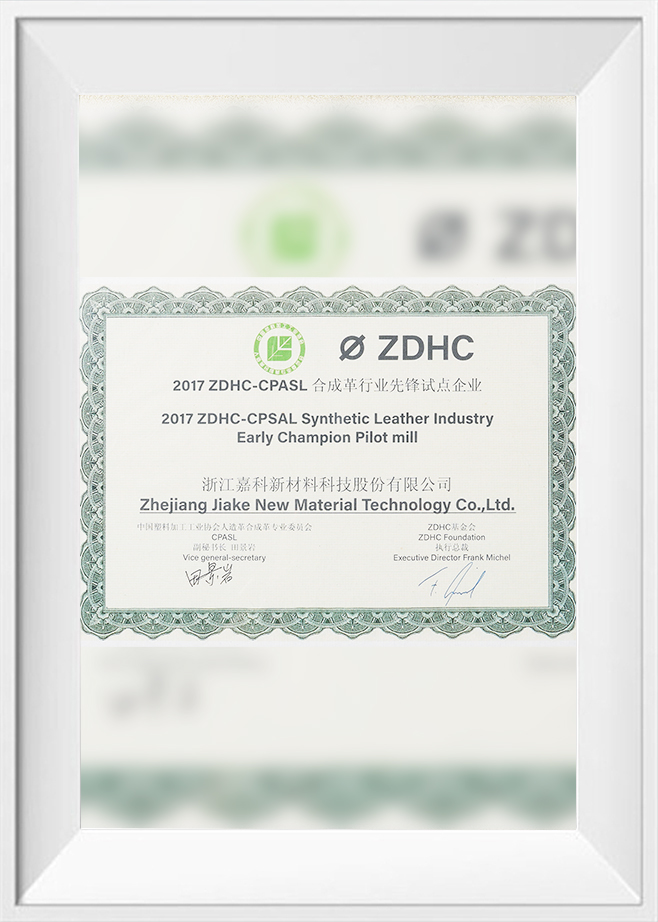
Certificate Of Honor
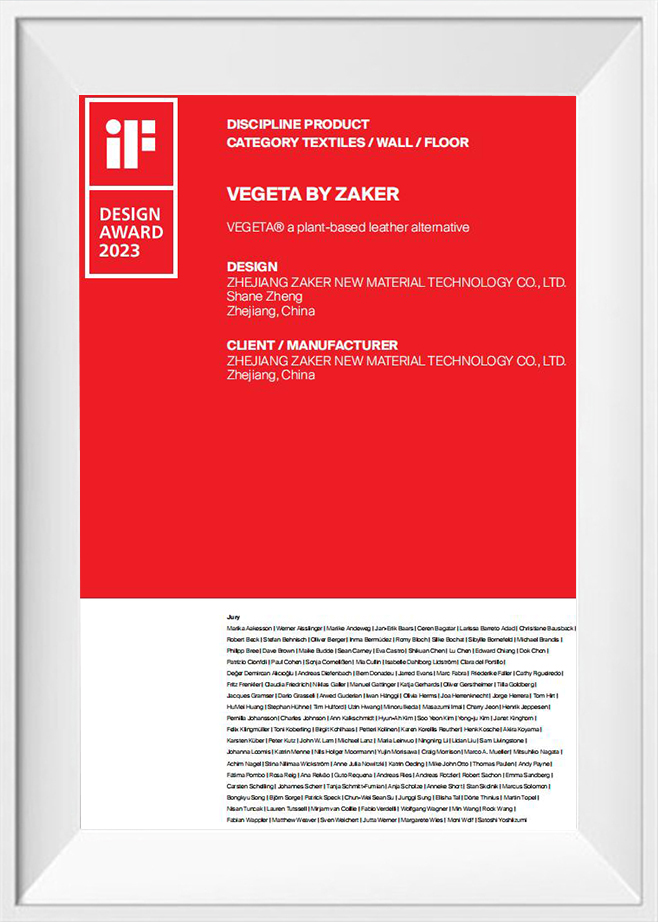
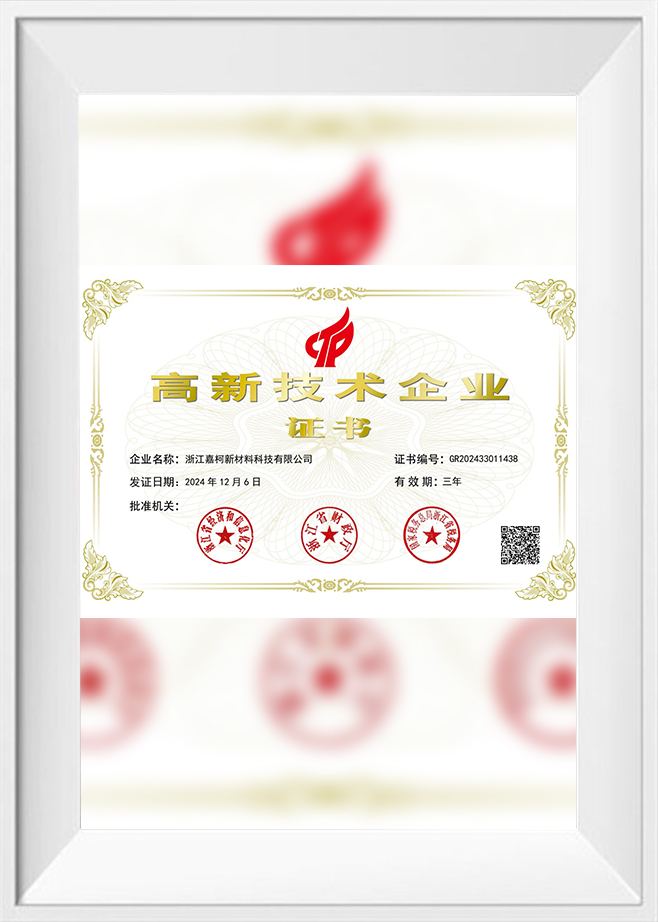
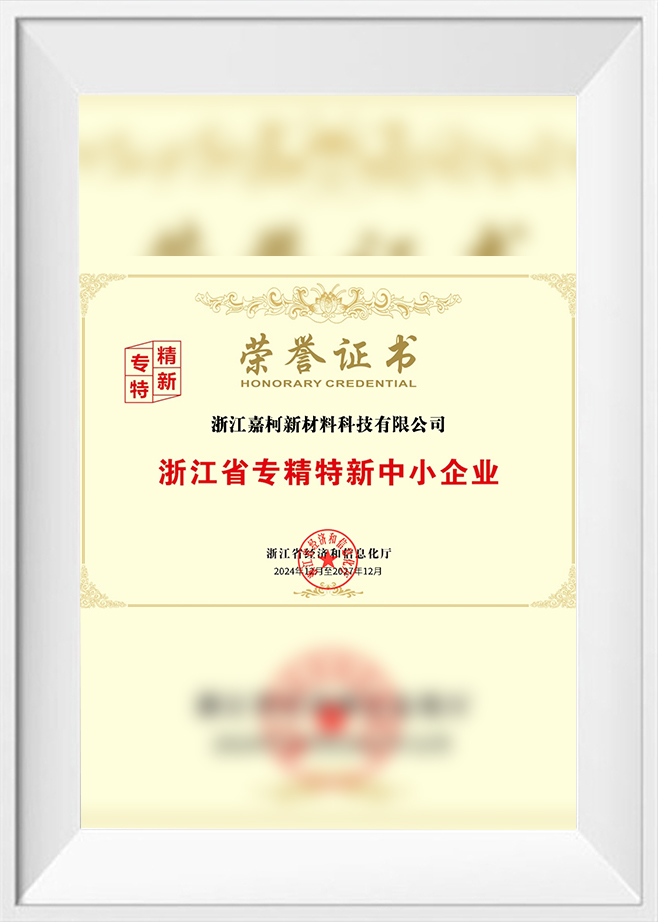
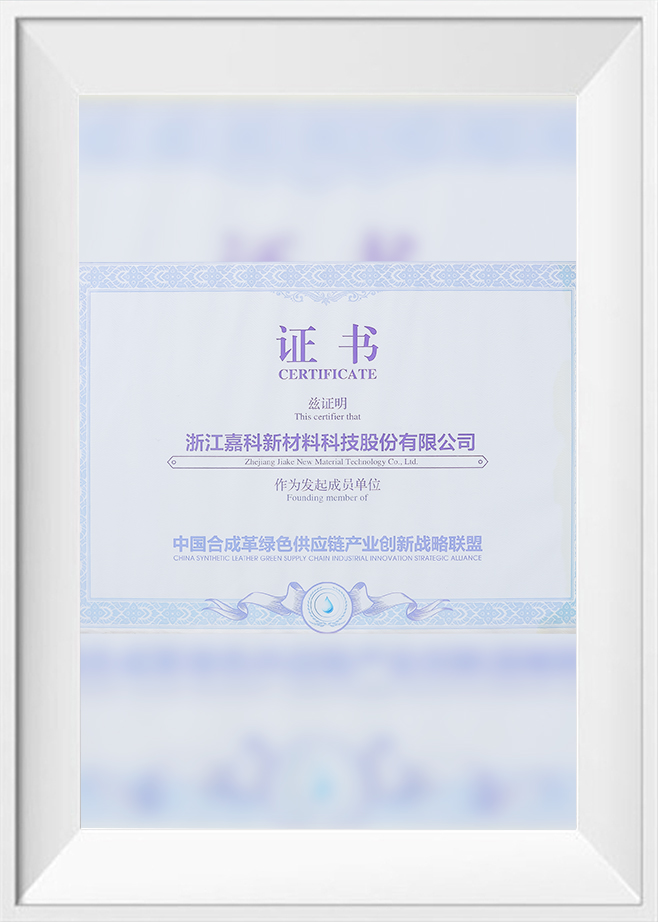
Message Feedback
Update News And Events
-
2026.10.16How Should Buyers Test Bio-Based Leatherette Before Moving to Production?A material sample can look promising in the showroom and still create unexpected problems during production. For companies developing automotive interiors, furniture, footwear, bag
-
2026.10.09Should Buyers Look Beyond the Bio-Based Label When Choosing Leatherette?The move toward bio-based materials is creating new options for automotive interiors, furniture, footwear, bags, and other applications that traditionally rely on leather or synthe
-
2026.09.30ZAKER: How Does the Traceability System Penetrate the Supply Chain?ZAKER The compliance requirements for global supply chains keep escalating. Downstream brands in apparel, luggage, automotive interiors, home furnishings and other sectors are impo
-
2026.09.30ZAKER: A Differentiated Path for Plant-Based Leather in New Energy VehiclesThe new energy vehicle industry continues to iterate at high speed, with the race toward electrification and intelligence now entering its second half. Today, when consumers choose
-
2026.10.02Can Bio-Based Leatherette Meet the Performance Demands of Modern Products?For buyers sourcing materials for automotive interiors, furniture, footwear, bags, and other consumer products, sustainability is increasingly being considered alongside durability
Recycled PU Leather and Circular Textiles: How Sustainable Synthetic Materials Are Reshaping Modern Manufacturing
As global industries face increasing pressure to reduce waste and carbon emissions, recycled synthetic materials are moving from niche alternatives to mainstream solutions. Among them, Recycled PU Leather, Circular Textiles, and Recycled Synthetic Leather have become key topics across fashion, automotive interiors, furniture, packaging, and consumer goods manufacturing.
Brands are no longer asking only about appearance or cost. Today’s buyers want to know:
- How sustainable is the material?
- Can it support circular production goals?
- Does recycled synthetic leather perform like virgin material?
What certifications and recycled content are available?
Is recycled PU leather suitable for premium products?
This shift is changing how manufacturers develop materials and how B2B buyers search for suppliers online.
What Is Recycled PU Leather?
Recycled PU leather refers to polyurethane-based synthetic leather produced using recycled raw materials, reclaimed polyurethane waste, recycled polyester backing fabrics, or post-industrial scraps. Unlike conventional PU leather made entirely from virgin petrochemical inputs, recycled PU leather incorporates recovered materials to reduce environmental impact.
Common Sources of Recycled Content
Manufacturers may use:
- Recycled polyester (rPET) fabric backing
- Reclaimed polyurethane particles
- Post-industrial synthetic leather waste
- Water-based PU systems with recycled additives
- Bio-based blended polyurethane formulations
Depending on the production process, recycled content ratios can vary significantly.
Why the Market Is Growing
The demand for recycled PU leather is increasing because brands are under pressure to improve ESG performance while maintaining scalability and affordability. Compared with genuine leather, recycled synthetic leather often offers:
- More stable pricing
- Better color consistency
- Lower maintenance requirements
- Wider texture customization
- Reduced dependence on animal-derived materials
Understanding Circular Textiles in Modern Manufacturing
Circular textiles describe a production model designed to minimize waste and maximize material reuse throughout a product’s lifecycle. Instead of the traditional “produce-use-dispose” structure, circular systems aim to keep materials in circulation for as long as possible.
This concept is becoming increasingly important across the textile and synthetic material industries.
Core Principles of Circular Textiles
Material Recovery
Used fabrics and synthetic materials are collected, separated, and reprocessed into new production inputs.
Design for Longevity
Products are engineered to last longer, reducing replacement frequency and unnecessary waste generation.
Recyclability
Materials are selected based on whether they can be reused or recycled efficiently after use.
Lower Environmental Footprint
Circular textile systems often focus on:
- Reducing landfill waste
- Lowering carbon emissions
- Decreasing water consumption
- Minimizing virgin petroleum dependence
For manufacturers, circular textile strategies are no longer only about sustainability branding. They are becoming part of procurement standards required by international buyers.
Recycled Synthetic Leather vs Traditional Synthetic Leather
Although both materials may appear visually similar, their production logic differs significantly.
| Feature | Recycled Synthetic Leather | Traditional Synthetic Leather |
|---|---|---|
| Raw Material Source | Includes recycled inputs | Primarily virgin petrochemical materials |
| Environmental Impact | Lower overall footprint | Higher resource consumption |
| Circular Potential | Supports recycling systems | Limited recyclability |
| ESG Compliance | More favorable for sustainability targets | Increasingly restricted by some buyers |
| Customization | High | High |
| Customization | Improving with scale | Traditionally stable |
For many manufacturers, the challenge is balancing sustainability with durability and production efficiency.
Key Applications of Recycled PU Leather
Fashion Accessories
Recycled PU leather is widely used in:
- Handbags
- Wallets
- Belts
- Footwear
- Cosmetic bags
Fashion brands increasingly prefer recycled synthetic leather because it aligns with vegan and sustainability-focused product lines.
Automotive Interiors
Automotive suppliers are adopting recycled synthetic leather for:
- Seat coverings
- Door panels
- Steering wheel wraps
- Interior trim surfaces
OEMs are placing greater emphasis on lightweight and low-emission materials, making recycled PU systems more attractive.
Furniture and Upholstery
Modern furniture brands use recycled PU leather for:
- Sofas
- Dining chairs
- Office seating
- Hospitality interiors
The material provides consistent texture and easier maintenance compared with some natural leather products.
Packaging and Lifestyle Products
Luxury packaging, notebook covers, promotional items, and consumer electronics accessories increasingly incorporate recycled synthetic leather surfaces.
Why Buyers Search for Circular Material Solutions
Search intent in this industry has evolved rapidly. Buyers are no longer searching only for “PU leather supplier.” Instead, they use highly specific sustainability-driven queries.
Informational Search Intent
Users want to understand:
- what is recycled PU leather
- how circular textiles work
- recycled synthetic leather benefits
- sustainable leather alternatives
Commercial Search Intent
Procurement teams often search for:
- recycled PU leather factory
- circular textile material supplier
- recycled vegan leather manufacturer
- eco synthetic leather wholesale
Comparison-Based Search Intent
Many buyers compare materials before sourcing:
- recycled PU leather vs PVC leather
- recycled synthetic leather vs real leather
- water based PU vs solvent based PU
The Role of Certifications in Sustainable Synthetic Materials
International buyers increasingly require material verification and compliance documentation.
Common standards include:
- Global Recycled Standard (GRS)
- OEKO-TEX certification
- REACH compliance
- RoHS compliance
- Low VOC testing standards
For manufacturers, certifications are becoming a competitive advantage rather than an optional feature.
Challenges Facing the Recycled Synthetic Leather Industry
Despite rapid growth, several challenges remain.
Consistency of Recycled Inputs
The quality of recycled raw materials may vary depending on sourcing and recovery systems.
Performance Expectations
Buyers still expect recycled synthetic leather to deliver:
- Abrasion resistance
- Flexibility
- Hydrolysis resistance
- Color fastness
- Long-term durability
Achieving sustainability without sacrificing performance requires advanced formulation expertise.
Supply Chain Transparency
Brands increasingly request traceability data, recycled content percentages, and environmental reporting from suppliers.
Future Trends in Circular Synthetic Materials
The future of recycled PU leather and circular textiles will likely focus on three major directions.
Higher Recycled Content Ratios
Manufacturers are developing technologies capable of incorporating more post-consumer recycled materials without reducing performance.
Water-Based and Solvent-Free Systems
Environmental regulations are accelerating the transition toward cleaner production technologies.
Closed-Loop Material Systems
More companies are exploring take-back programs and closed-loop recycling models to reduce waste generation.
As sustainability regulations continue to expand across Europe and North America, recycled synthetic leather is expected to become a long-term strategic material rather than a temporary market trend.