 English
 中文简体
中文简体 日本語
日本語 Español
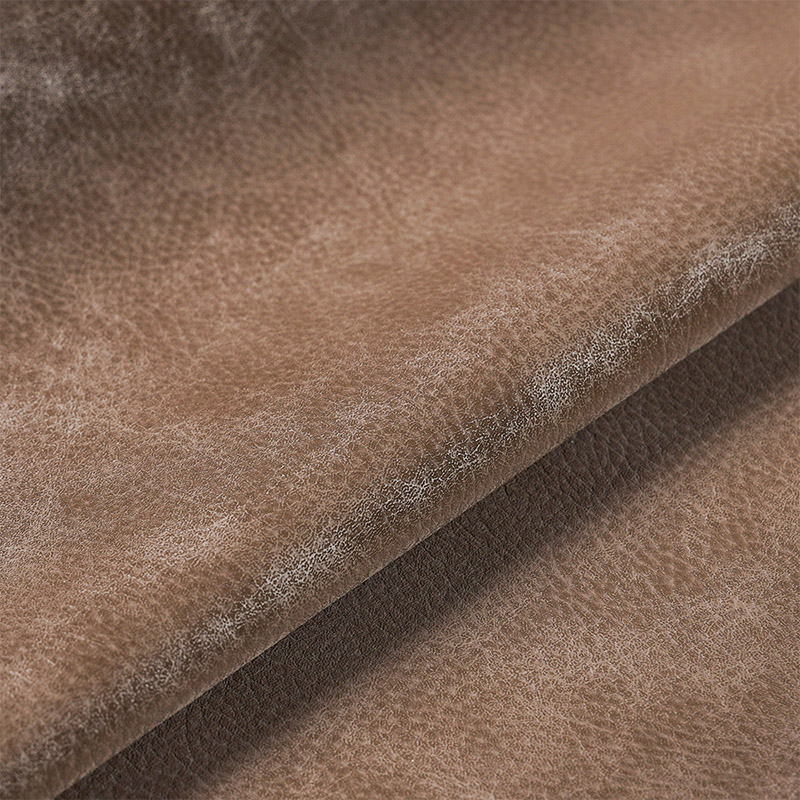
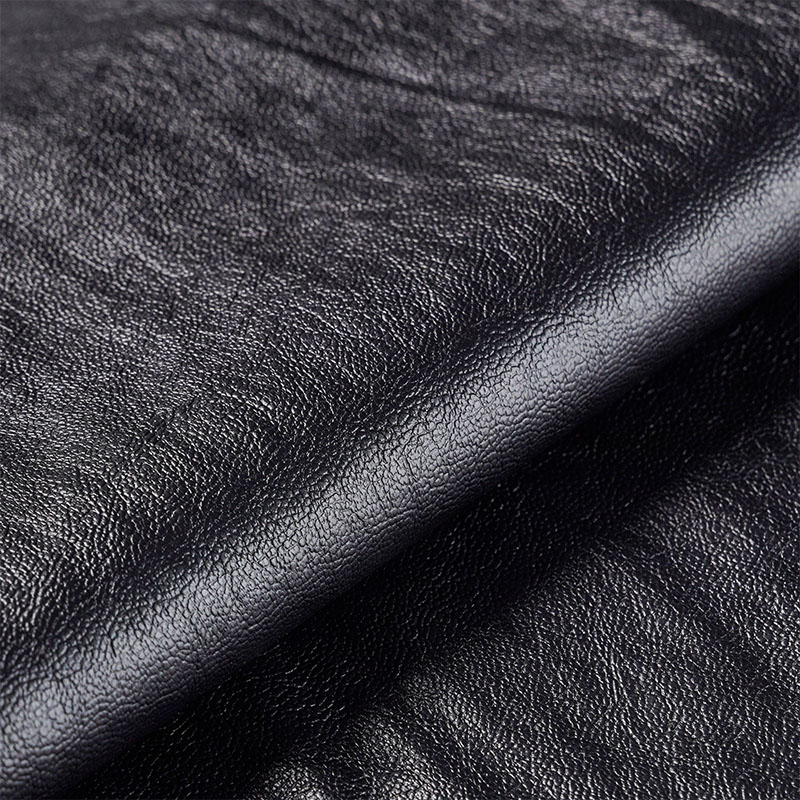
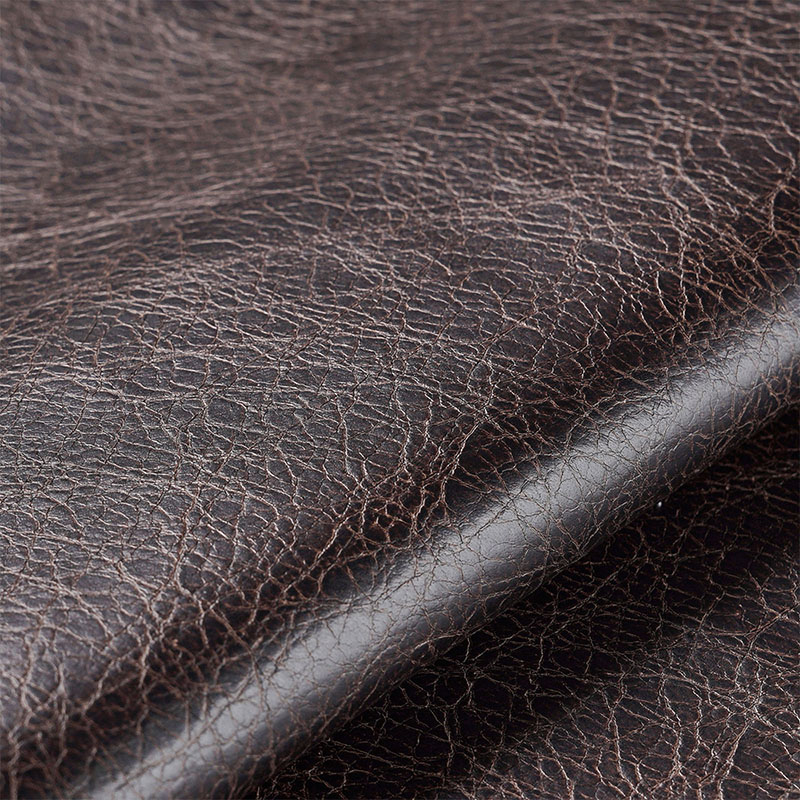
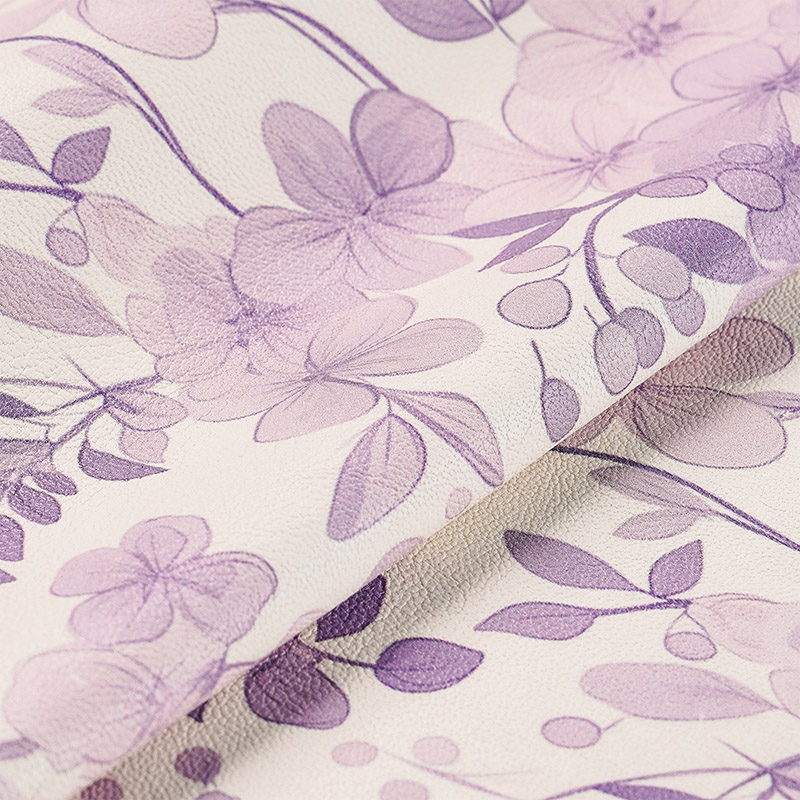
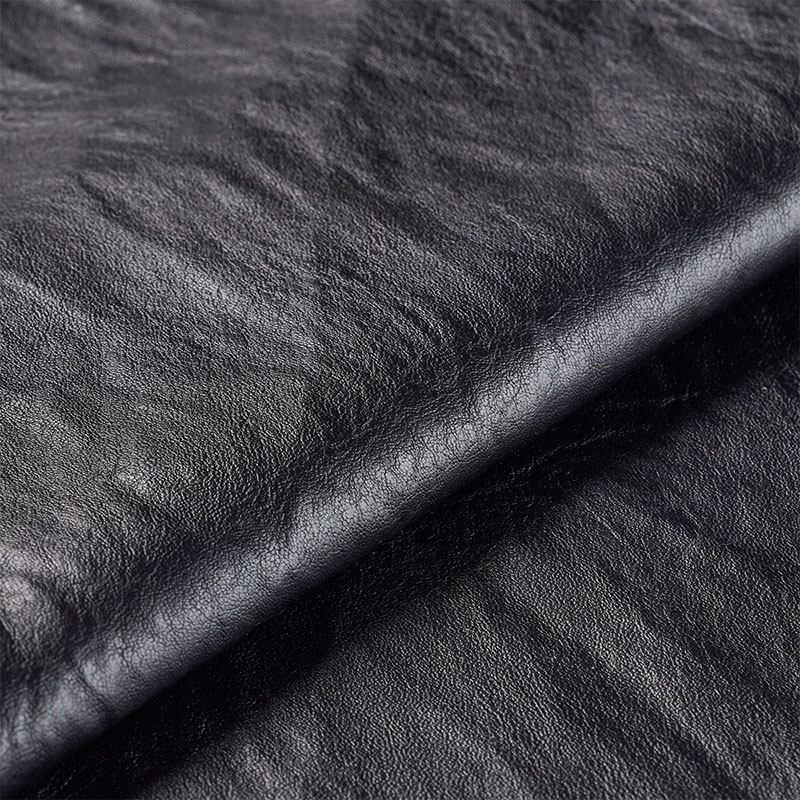
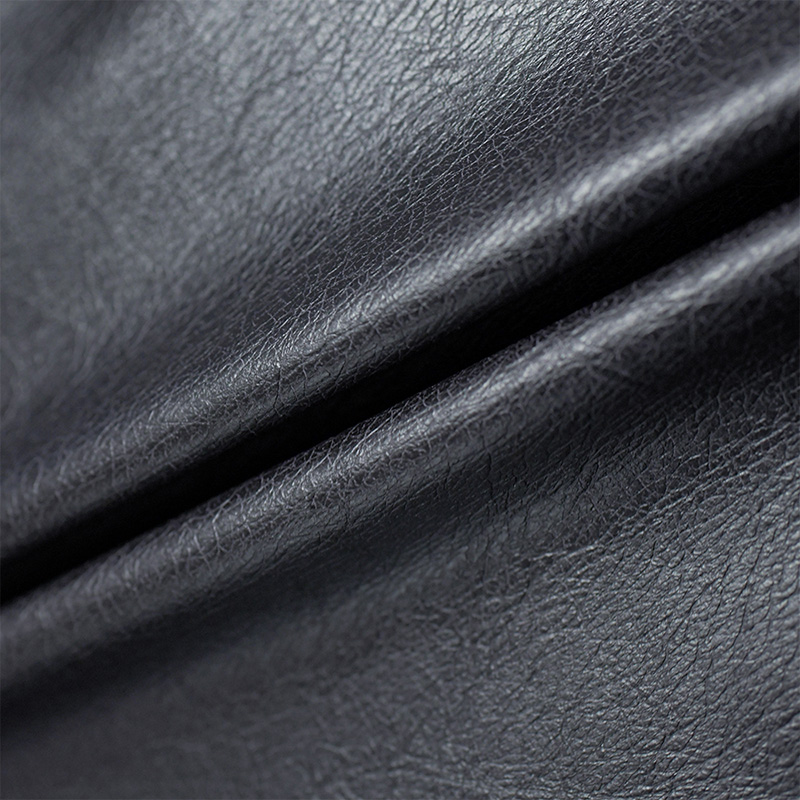
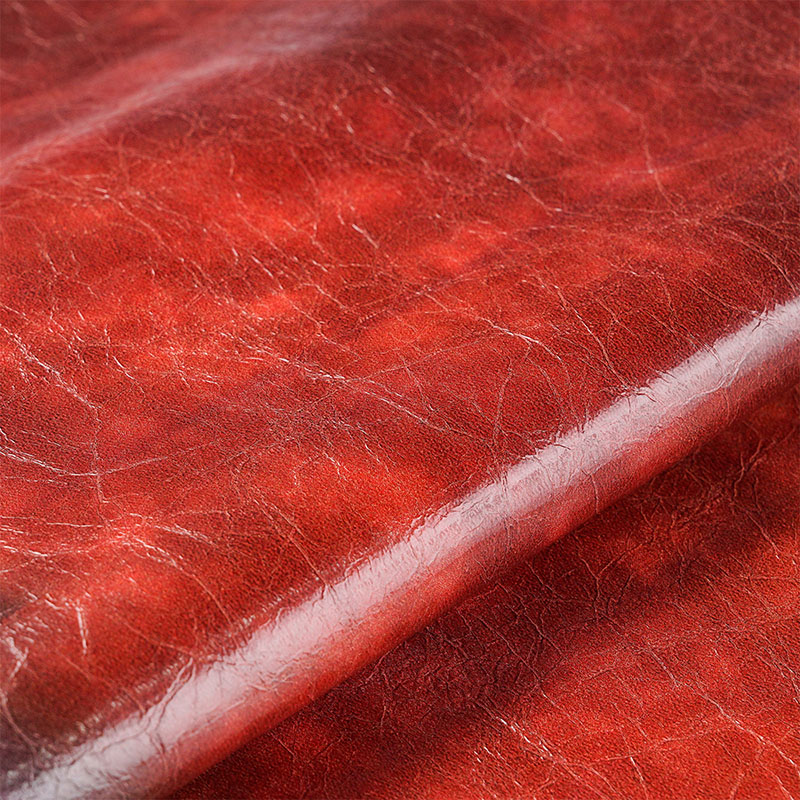
The global materials industry is entering a new phase where environmental responsibility, regulatory pressure, and brand sustainability commitments are reshaping how manufacturers select surface materials. Across automotive interiors, furniture upholstery, footwear, and consumer goods, buyers are actively shifting toward lower-impact alternatives that maintain durability and aesthetic quality. In this context, Biobased Leatherette Supplier solutions are increasingly being evaluated as part of broader circular economy strategies aimed at reducing waste and improving material lifecycle efficiency.
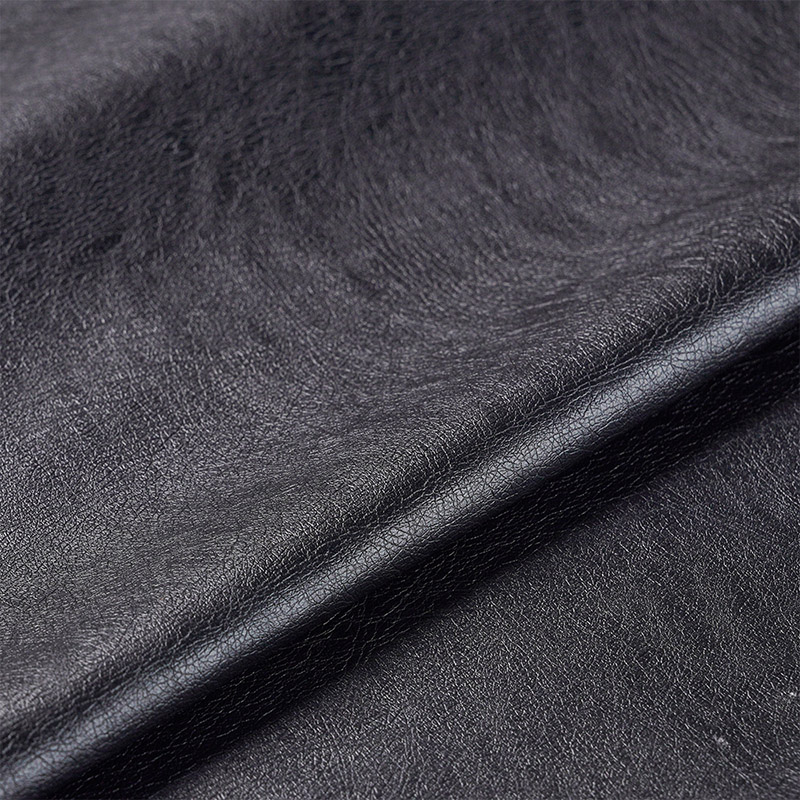
Recent procurement behavior shows that buyers are not only asking about eco-claims, but also about recyclability, long-term performance, and production compatibility in real manufacturing environments.
Why Is the Circular Economy Reshaping Material Procurement Decisions?
Circular economy principles are becoming a key framework for global sourcing strategies. Instead of linear “produce-use-dispose” models, manufacturers are expected to consider reuse, recycling, and material recovery.
Buyers are prioritizing:
- Reduced dependency on fossil-based raw materials
- Improved recyclability at end-of-life product stages
- Lower environmental impact during production cycles
- Transparent sustainability documentation across supply chains
These factors are now influencing long-term supplier partnerships.
How Are Plant-Based Materials Improving Industrial Applicability?
Plant-based synthetic materials have advanced significantly in recent years, improving both performance and manufacturing compatibility. Early limitations such as weak durability or inconsistent texture are being gradually resolved through material engineering.
Key improvements include:
- Enhanced tensile strength for industrial use
- More stable surface texture for premium finishing
- Better resistance to abrasion and daily wear
- Improved flexibility for cutting and shaping processes
These upgrades make plant-based options more suitable for large-scale production.
Why Are Global Brands Accelerating Material Transition?
Many international brands are integrating sustainability targets into their product development strategies. This has created strong demand for alternative leather-like materials that align with ESG goals.
Industry priorities include:
- Low-emission material sourcing strategies
- Reduced reliance on animal-based materials
- Consistent aesthetic quality across product lines
- Alignment with global sustainability certifications
Material selection is now closely tied to brand positioning and corporate responsibility goals.
How Is Manufacturing Compatibility Affecting Material Adoption?
Even sustainable materials must meet strict manufacturing requirements to be widely adopted. Compatibility with existing production systems remains a critical factor for buyers.
Procurement teams evaluate:
- Ease of integration into current production lines
- Stability during high-volume manufacturing
- Compatibility with stitching, molding, and cutting processes
- Minimal adjustment required for machinery settings
Without production compatibility, even sustainable materials face adoption barriers.
Why Is Lifecycle Performance More Important Than Material Appearance?
Modern buyers are increasingly focused on how materials perform over time rather than initial appearance alone. Durability and long-term stability directly affect product value and customer satisfaction.
Key evaluation points include:
- Resistance to cracking under repeated use
- Color and texture stability over time
- Performance under temperature and humidity changes
- Long-term wear resistance in real applications
Lifecycle performance is becoming a key purchasing criterion.
Manufacturer Insight: What Are Global Buyers Expecting?
As a manufacturer in sustainable material solutions, we observe a shift toward data-driven and performance-based procurement. Buyers are demanding both environmental compliance and verified technical performance.
Common expectations include:
- Custom formulation based on end-use applications
- Stable batch consistency across global shipments
- Clear environmental compliance documentation
- Scalable supply capacity for industrial demand
This reflects the increasing maturity of sustainable material supply chains.
Is Circular Economy the Future Driver of Material Innovation?
As global industries continue to adopt circular economy principles, material innovation is becoming central to product development strategies. Sustainability is no longer a separate consideration—it is integrated into performance, design, and supply chain planning.
In this evolving environment, working with a reliable Plant-Based Vegan Leatherette supplier helps manufacturers achieve both environmental responsibility and industrial performance requirements, supporting long-term competitiveness in global markets.