 English
 中文简体
 日本語
 Español
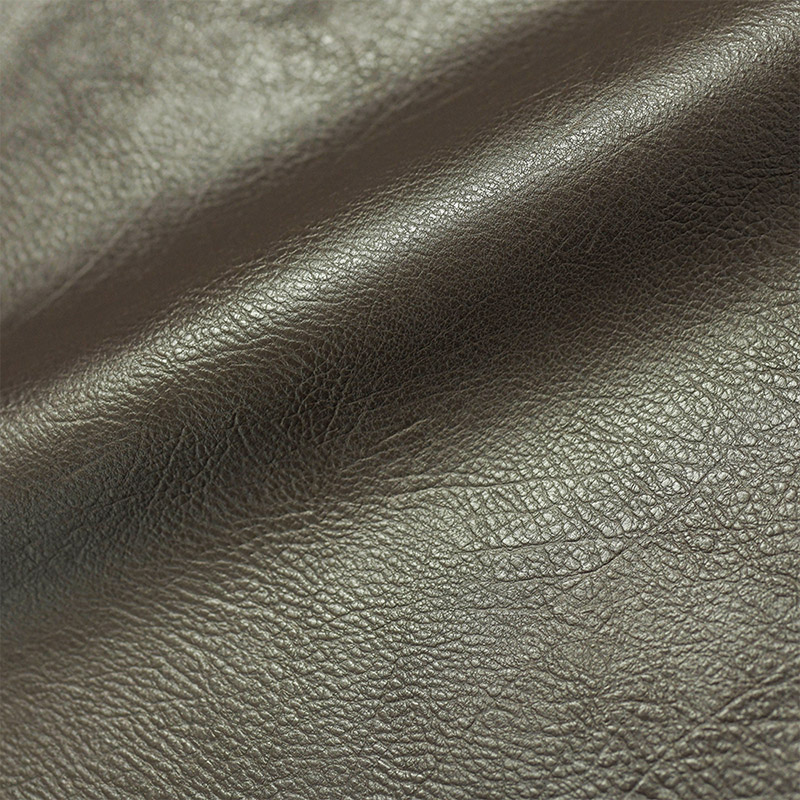
Material selection is becoming a more detailed part of product development as manufacturers respond to changing customer expectations around appearance, performance, and environmental considerations. For furniture brands, automotive interior suppliers, bag manufacturers, and upholstery distributors, choosing a suitable synthetic leather involves more than comparing colors and textures. Water-Based PU Leatherette and bio-based alternatives offer different material characteristics and production considerations. Understanding their composition, surface performance, processing compatibility, and documentation can help buyers make better decisions for their target applications.
Understand the Difference Between Water-Based and Biobased Materials
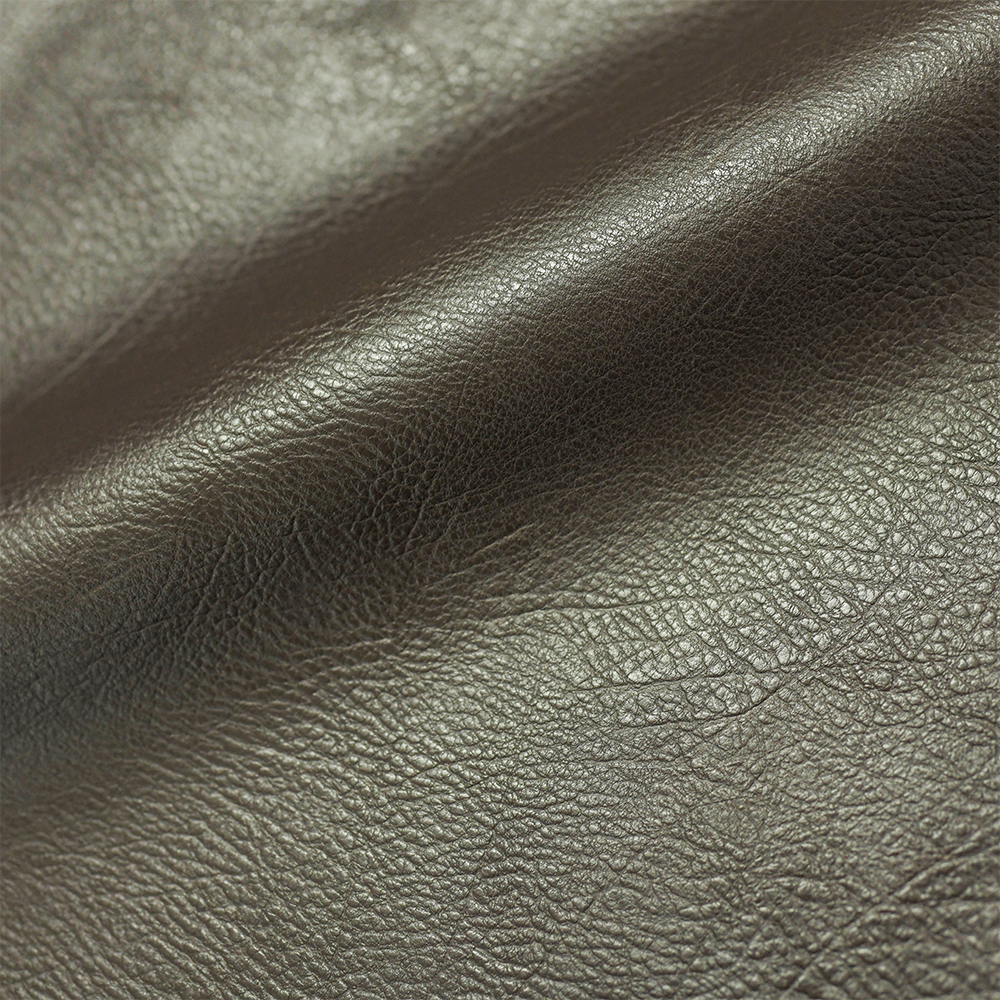
Water-based PU leatherette generally refers to synthetic leather produced using a polyurethane system in which water is used as a dispersion medium or carrier. This approach can reduce reliance on certain organic solvents compared with conventional solvent-based processes, although the actual environmental profile depends on the complete formulation and manufacturing process.
Biobased leatherette, by contrast, refers to material that incorporates renewable biological feedstocks in some part of its composition. The proportion and source of these materials can vary between products.
These terms should not be treated as interchangeable. A water-based formulation is not automatically biobased, and a biobased material is not necessarily biodegradable. Buyers should request clear composition information before making product or marketing claims.
Evaluate Surface Performance for the Intended Application
The appearance of synthetic leather is only one part of its suitability. Different applications place different demands on the surface, backing, and overall material structure.
For example, furniture upholstery may require attention to abrasion resistance, flexibility, and ease of cleaning. Automotive interior applications may involve additional considerations such as heat exposure, color stability, odor, and resistance to repeated contact.
When evaluating samples, buyers should consider:
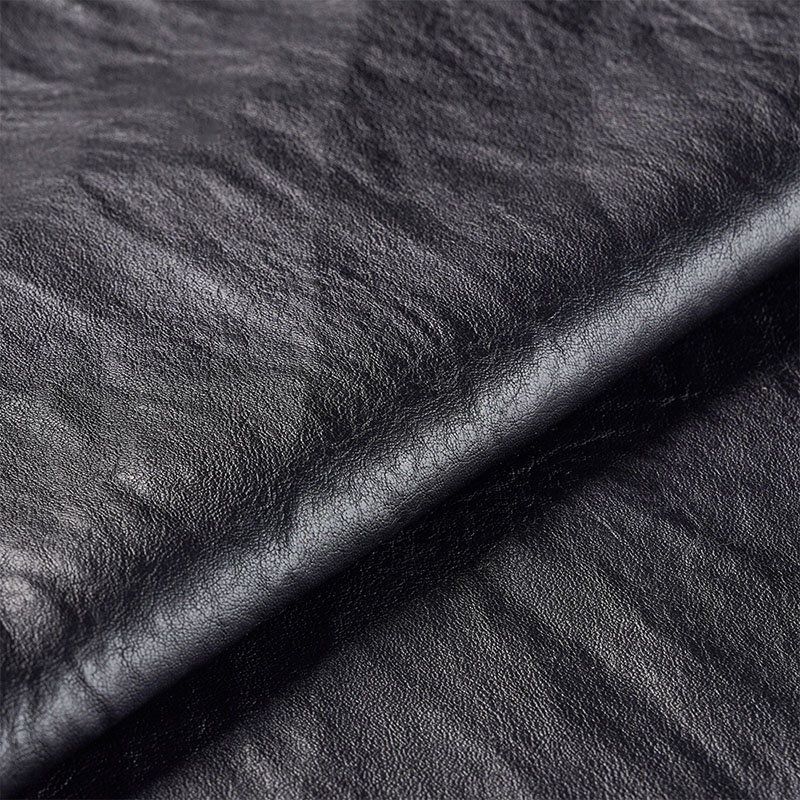
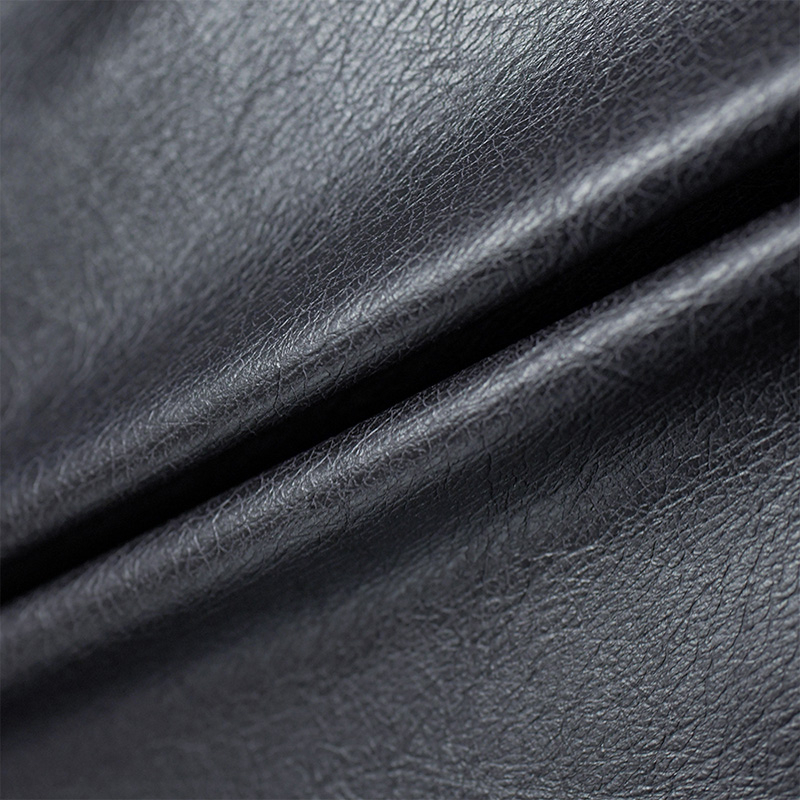
- Surface texture and color consistency
- Flexibility during bending and shaping
- Resistance to abrasion and everyday wear
- Adhesion between the coating and backing
- Cleaning requirements for the finished product
The relevant tests should be selected according to the final application rather than relying on a general-purpose material description.
Check Processing Compatibility Before Bulk Purchasing
A material that performs well in a sample may still create difficulties during mass production if it does not match the buyer's existing processing methods. Cutting, sewing, laminating, embossing, and bonding can all influence the final result.
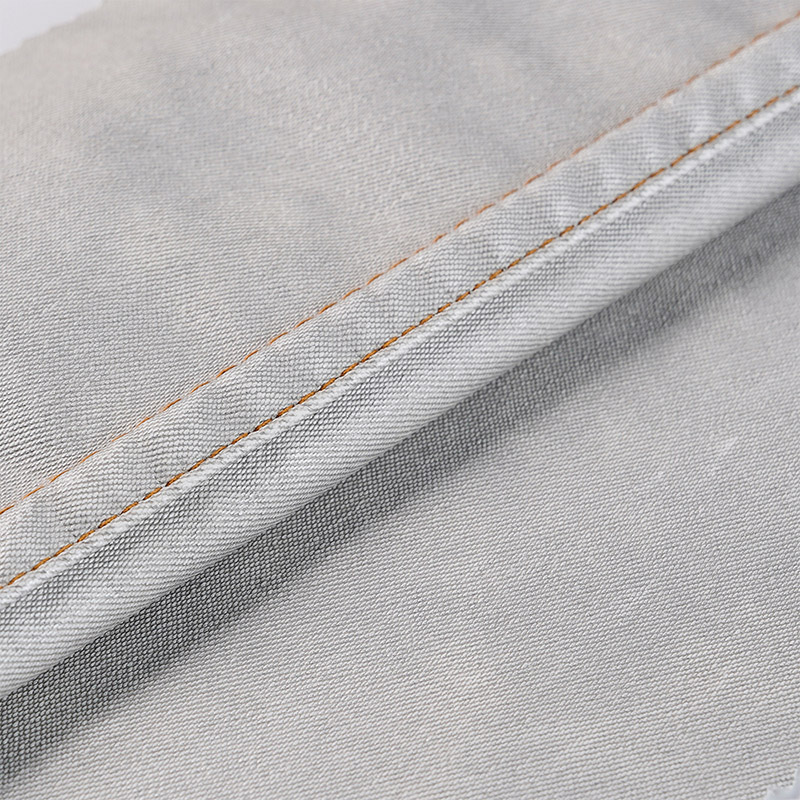
Manufacturers should understand the customer's equipment, production conditions, and finished-product structure before recommending a specification. Buyers can also conduct small-scale production trials to check whether the material feeds smoothly, maintains its shape, and produces consistent seams or bonded surfaces.
This step is particularly useful when introducing a new Water-Based PU Leatherette into an established production line. Early testing can identify practical issues before a larger order is placed.
Ask for Evidence Behind Environmental Claims
Sustainability-related descriptions need to be supported by specific and understandable information. Terms such as water-based, biobased, recycled, and biodegradable describe different material or production characteristics.
A Biobased Leatherette Supplier should be able to explain the renewable feedstock used, the proportion of biobased content where applicable, and the scope of any supporting certification or test documentation.
Procurement teams should pay attention to what a certificate actually covers. A document relating to raw material content, for example, does not automatically verify the environmental impact of the entire finished product.
Clear documentation helps brands communicate material attributes accurately and avoid making claims that extend beyond the available evidence.
Consider Texture, Color, and Design Flexibility
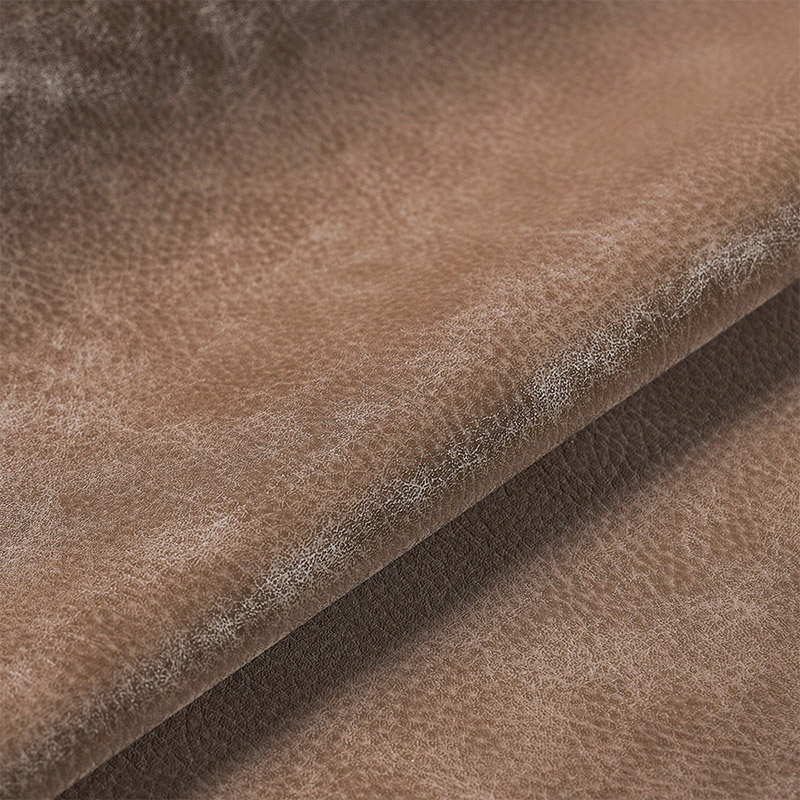
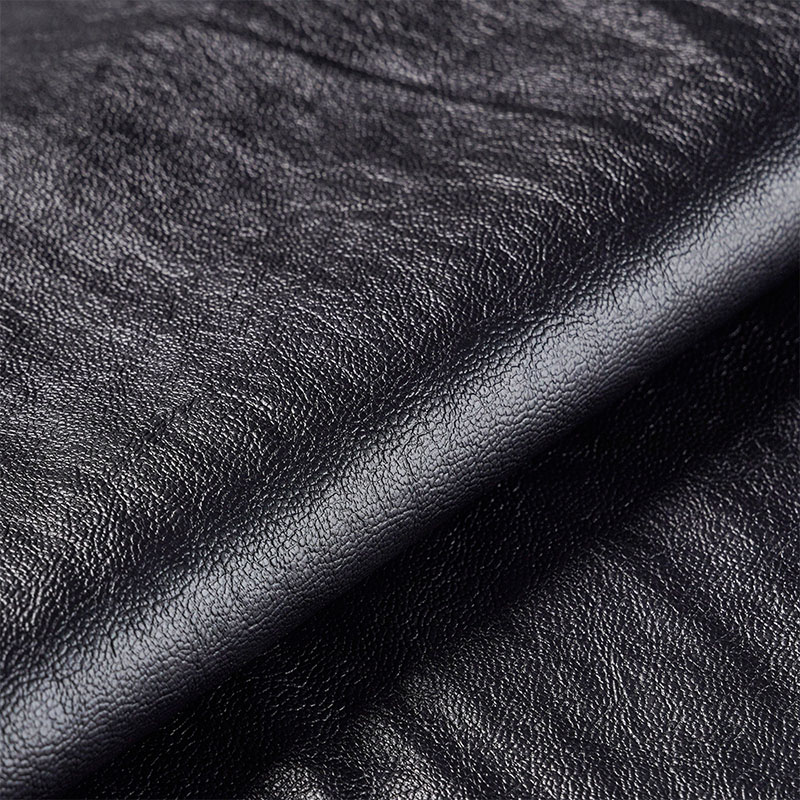
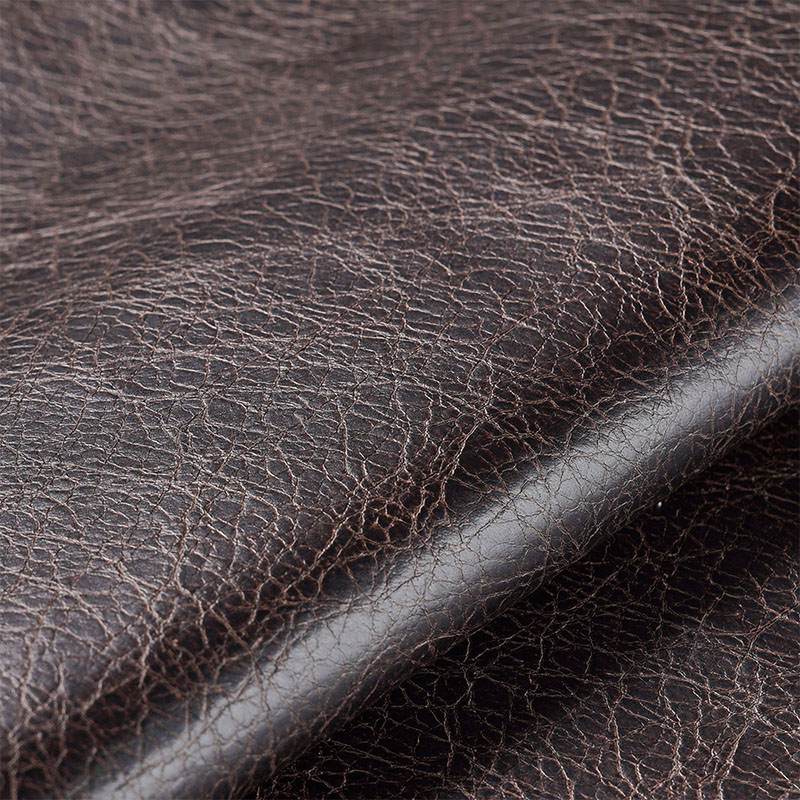
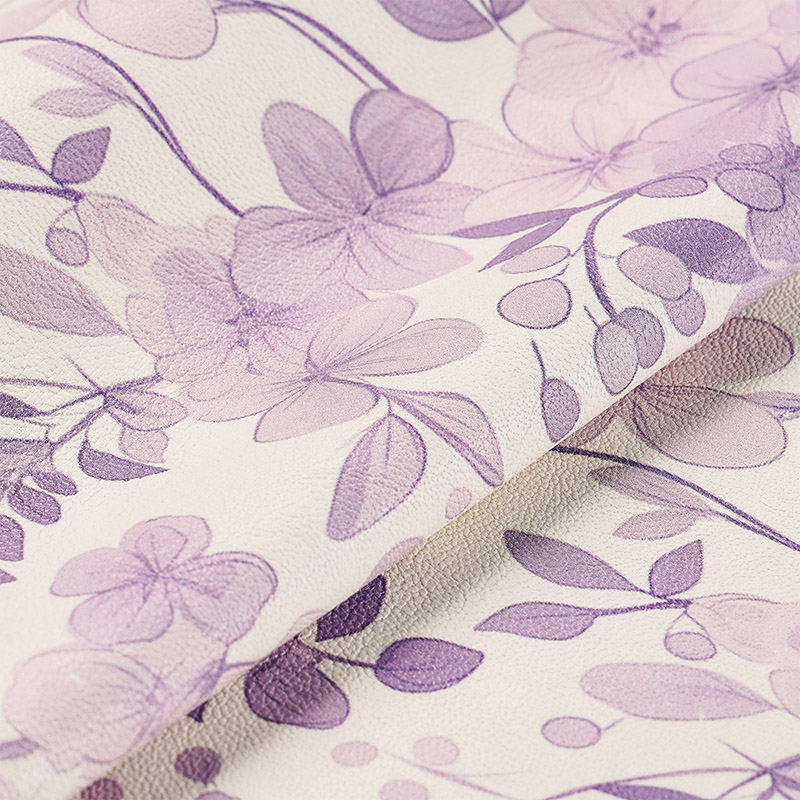
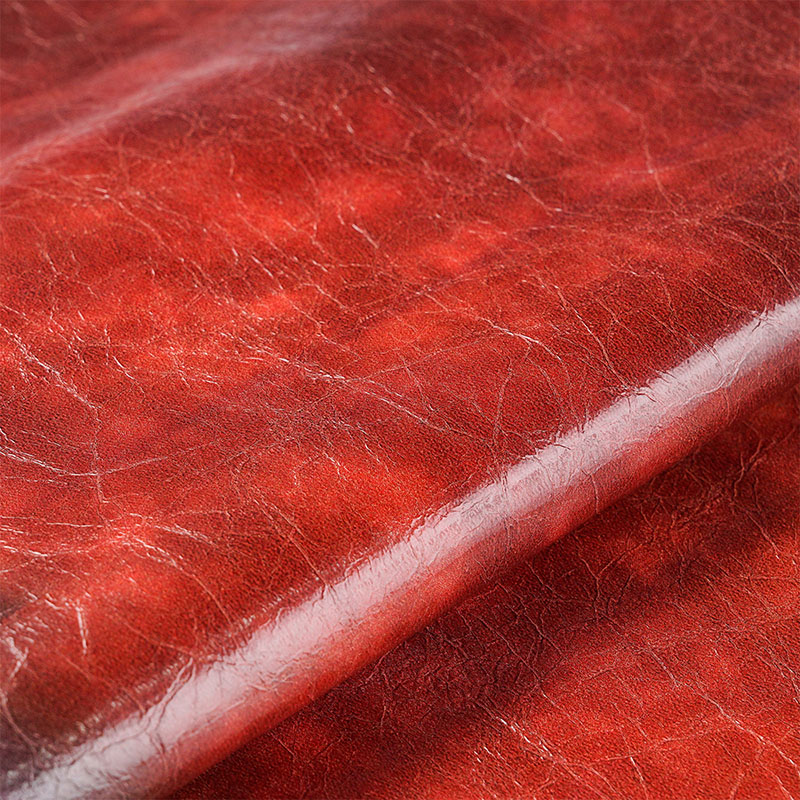
For product developers, material appearance can influence how a finished item is positioned in the market. Different embossing patterns, surface finishes, colors, and backing structures may be required for furniture collections, automotive interiors, footwear, or fashion accessories.
However, customization should be considered alongside technical performance. A particular texture may affect flexibility, while a coating or finish may influence cleaning and wear behavior.
Manufacturers should evaluate the relationship between the requested appearance and the intended processing method. Sample approval is an important stage because it allows buyers to assess color, texture, thickness, and handling before confirming production specifications.
Review Quality Consistency Across Production Batches
For distributors and brands placing repeat orders, consistency is just as important as the performance of the initial sample. Differences in color, thickness, surface texture, or backing quality can create problems when materials from separate batches are used in the same product range.
A structured quality process should cover incoming raw materials, coating or finishing operations, surface inspection, dimensional checks, and final packaging. Buyers can discuss acceptable tolerances and inspection procedures with the manufacturer before production begins.
It is also useful to retain approved reference samples and specification records for future orders, making comparisons easier when replenishment is required.
Choose a Supplier That Understands Both Material and Application
Selecting Water-Based PU Leatherette or a biobased alternative requires a clear understanding of the finished product, manufacturing process, and intended market. A capable Biobased Leatherette Supplier should be prepared to discuss material composition, performance testing, customization, processing compatibility, and supporting documentation rather than relying on broad environmental descriptions. For overseas buyers, sharing application details and evaluation criteria early helps manufacturers recommend a more appropriate material specification and supports a smoother transition from sample approval to repeat production.