
 English
 中文简体
中文简体 日本語
日本語 Español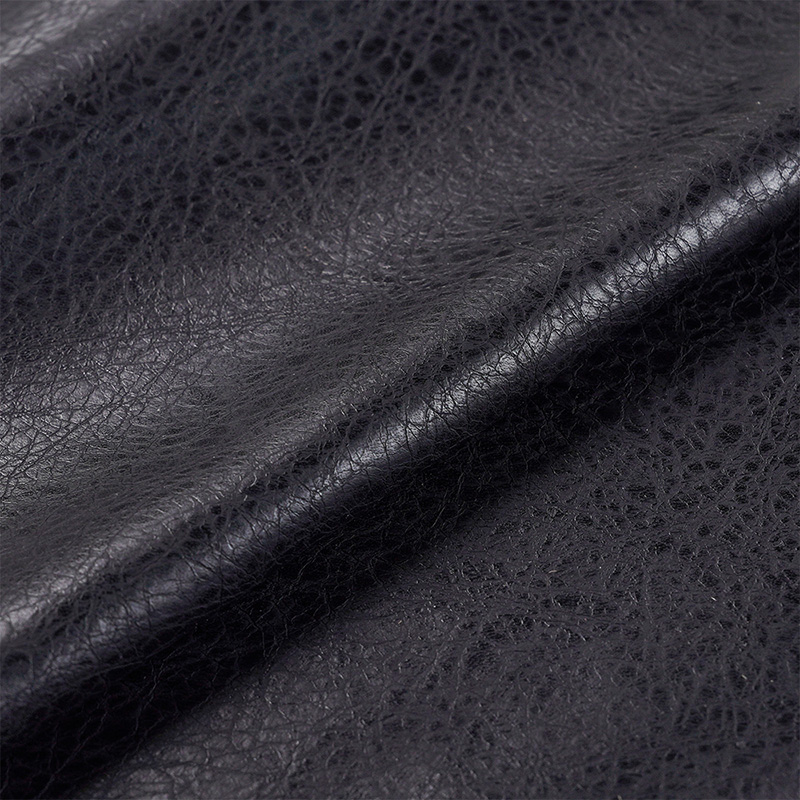
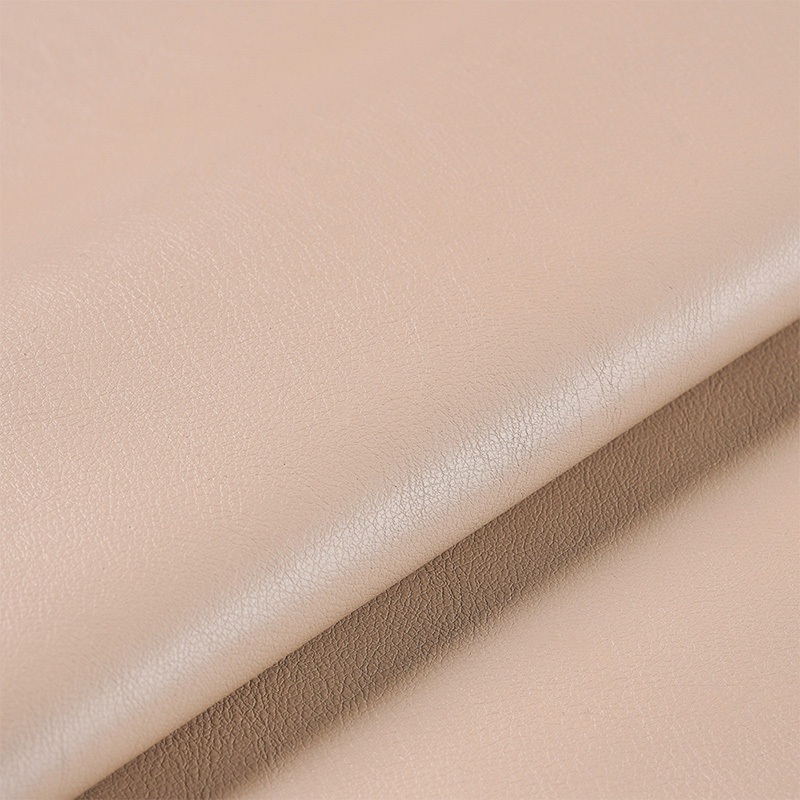
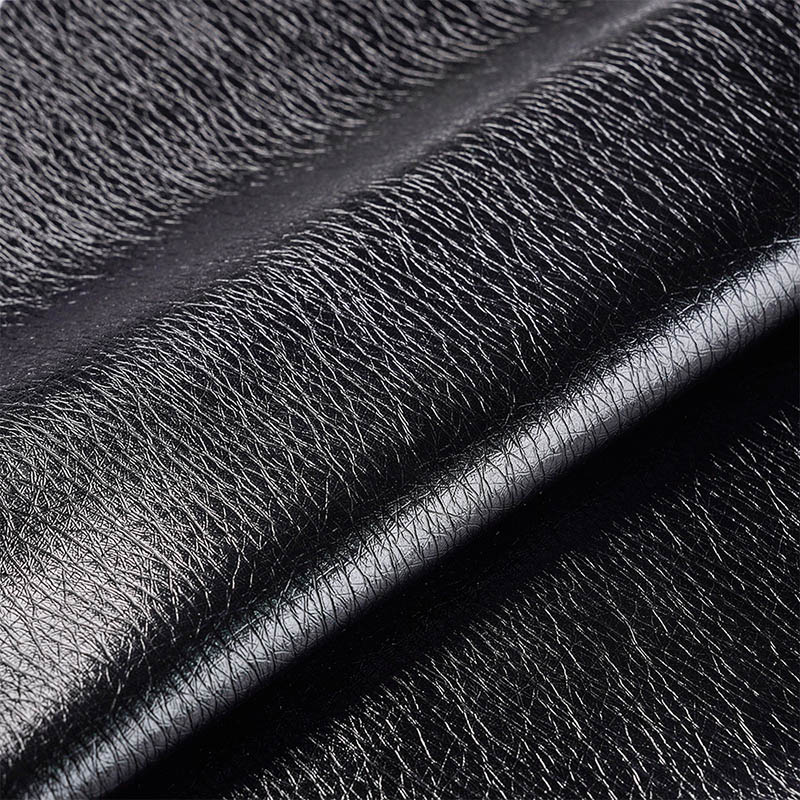
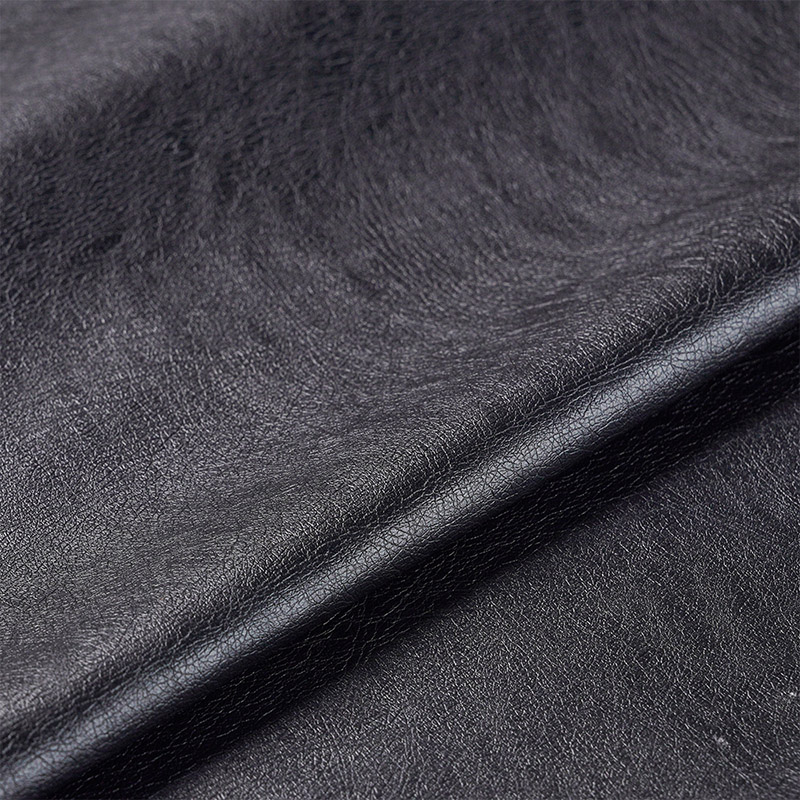
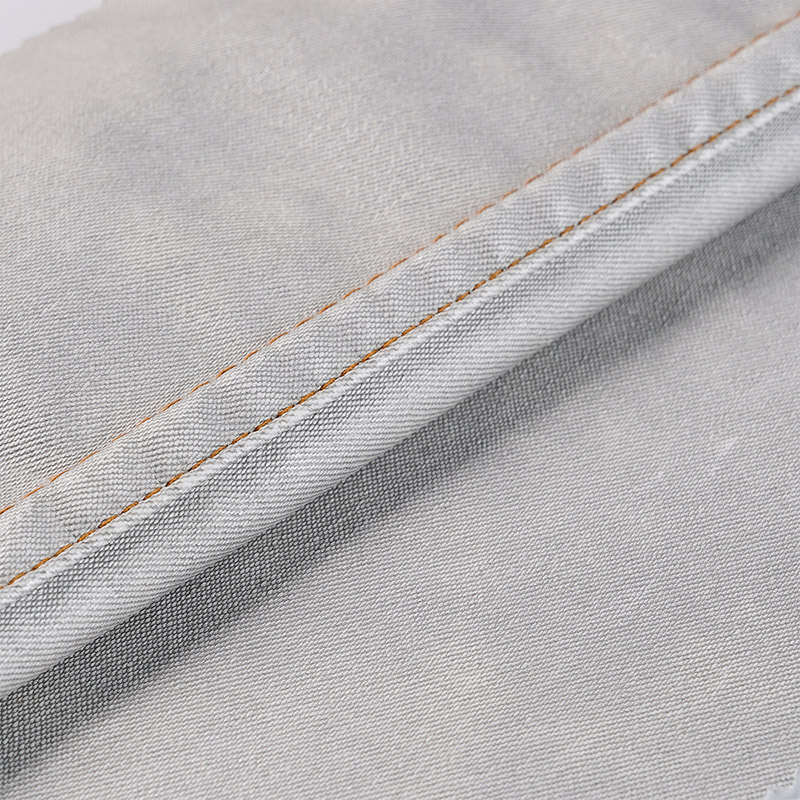
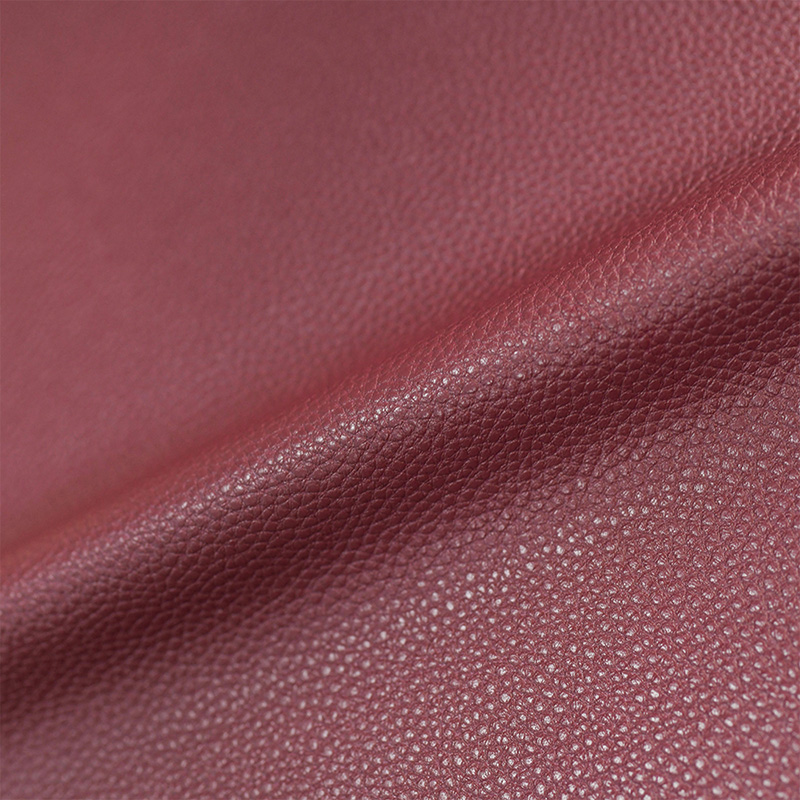
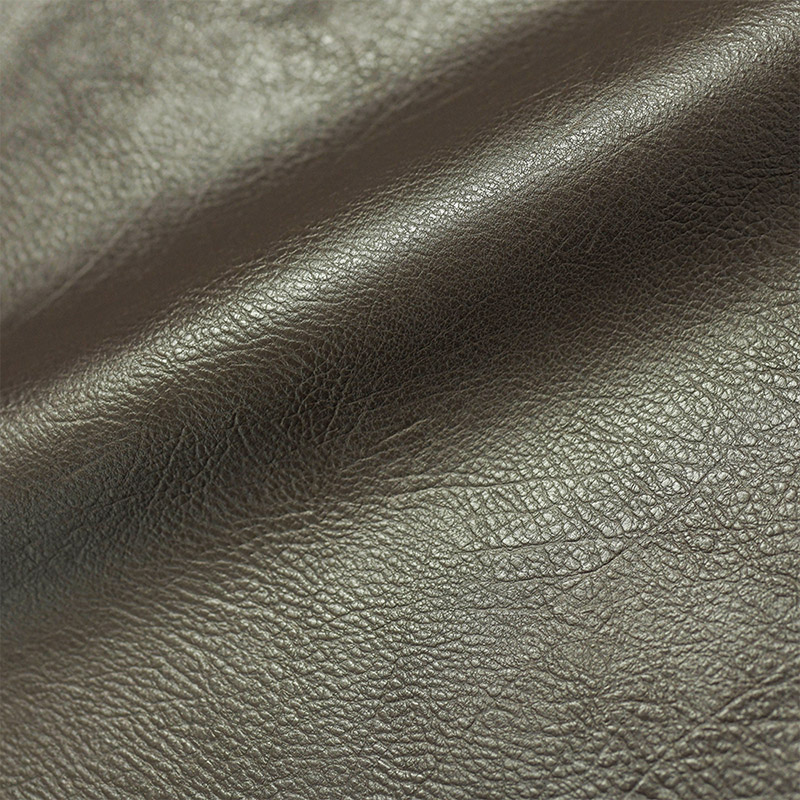
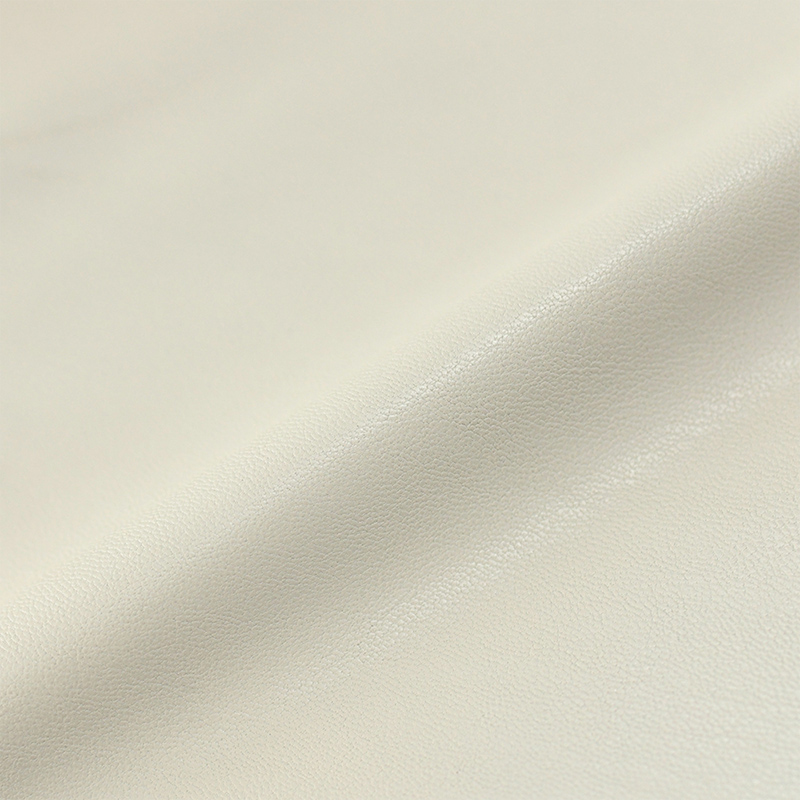
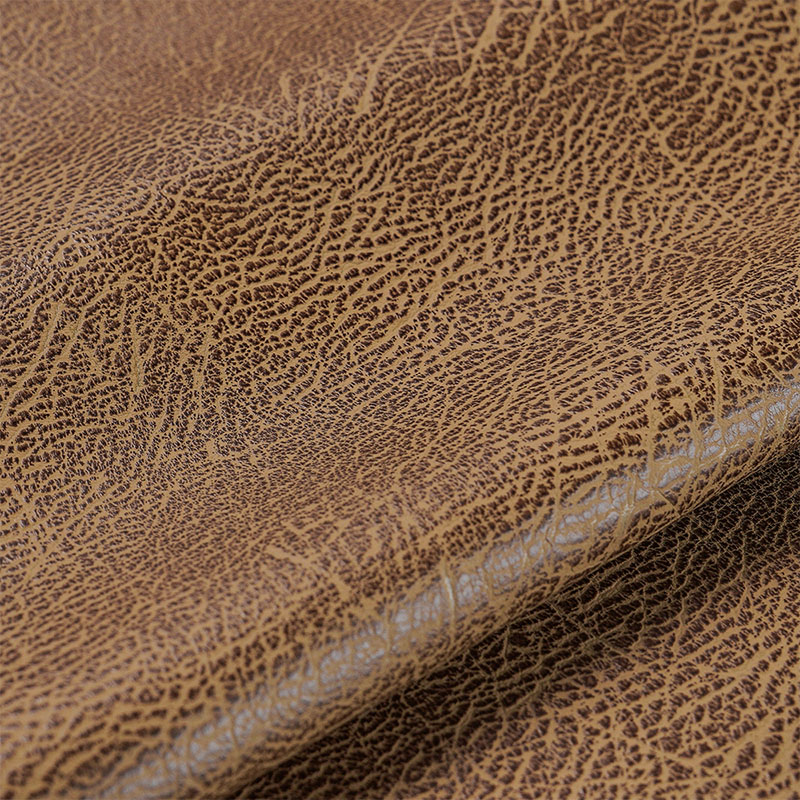
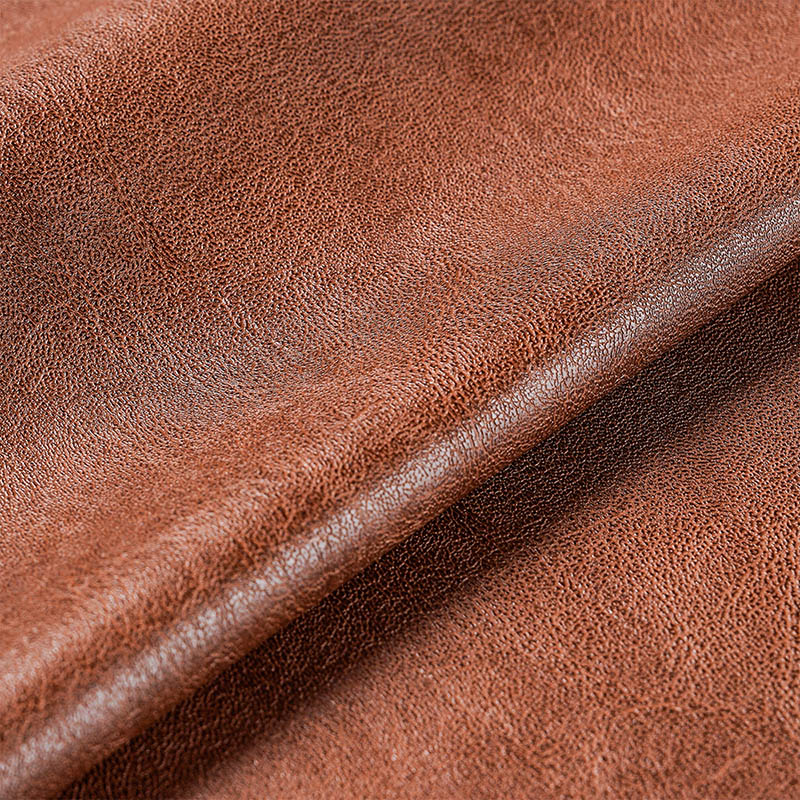
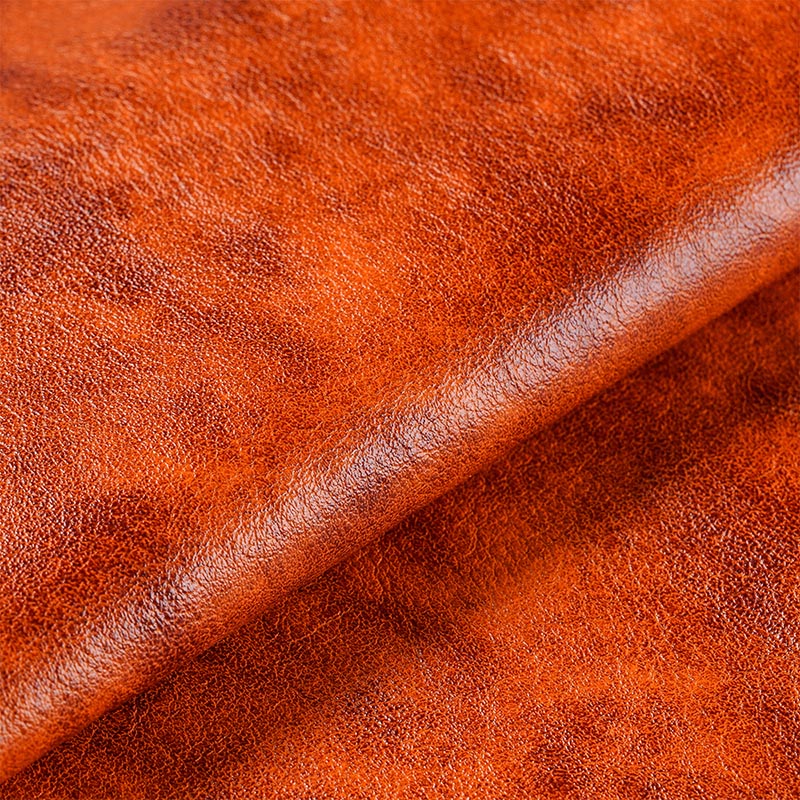
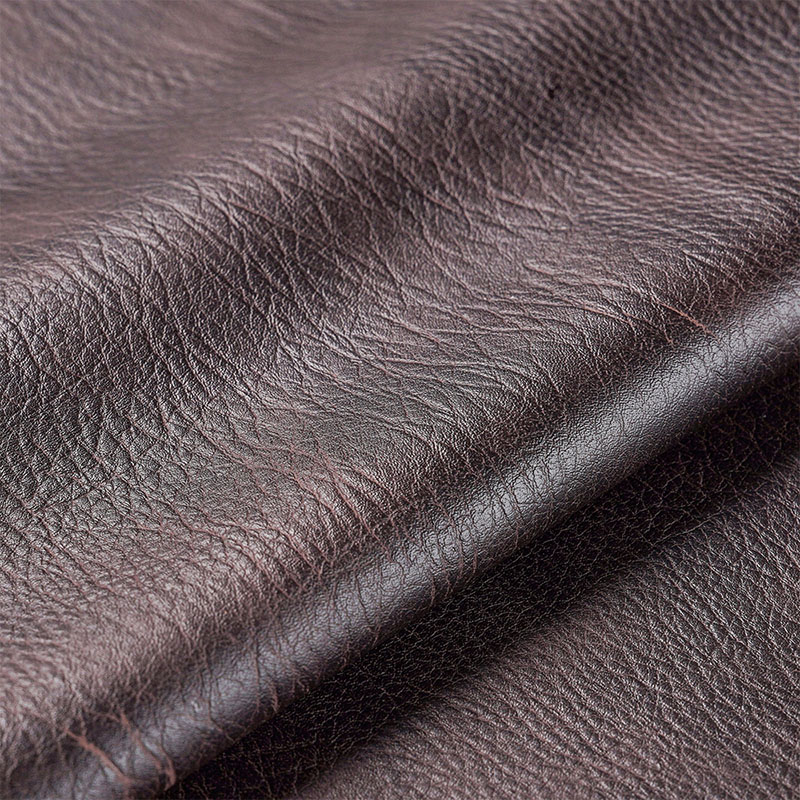
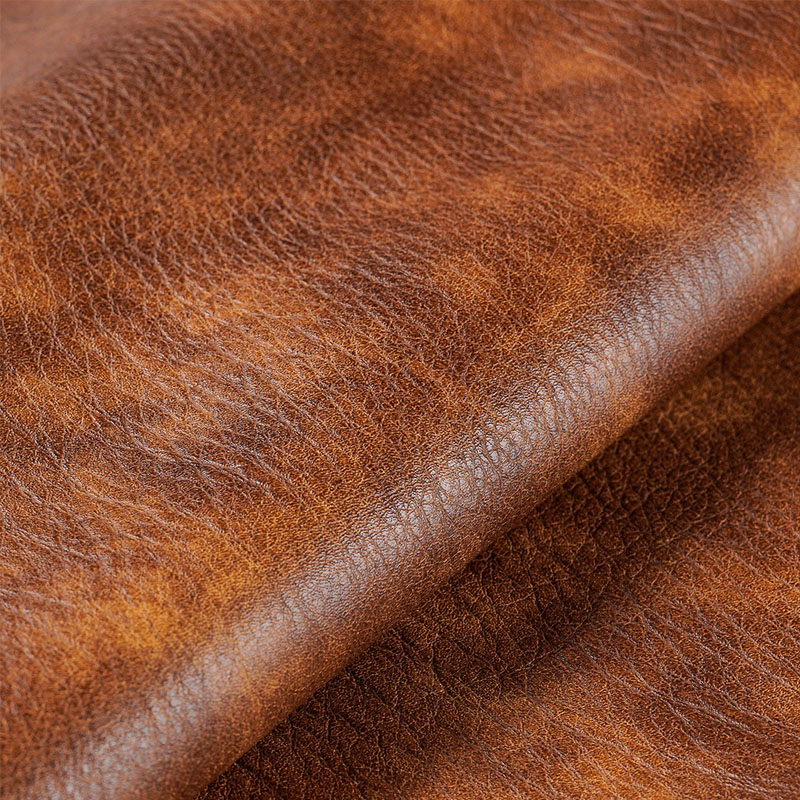
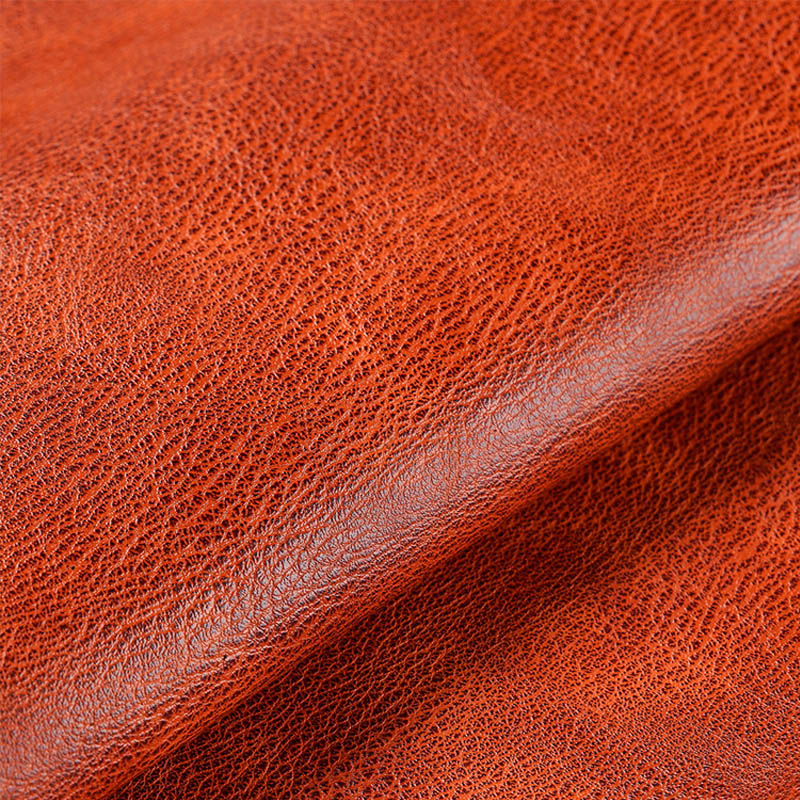
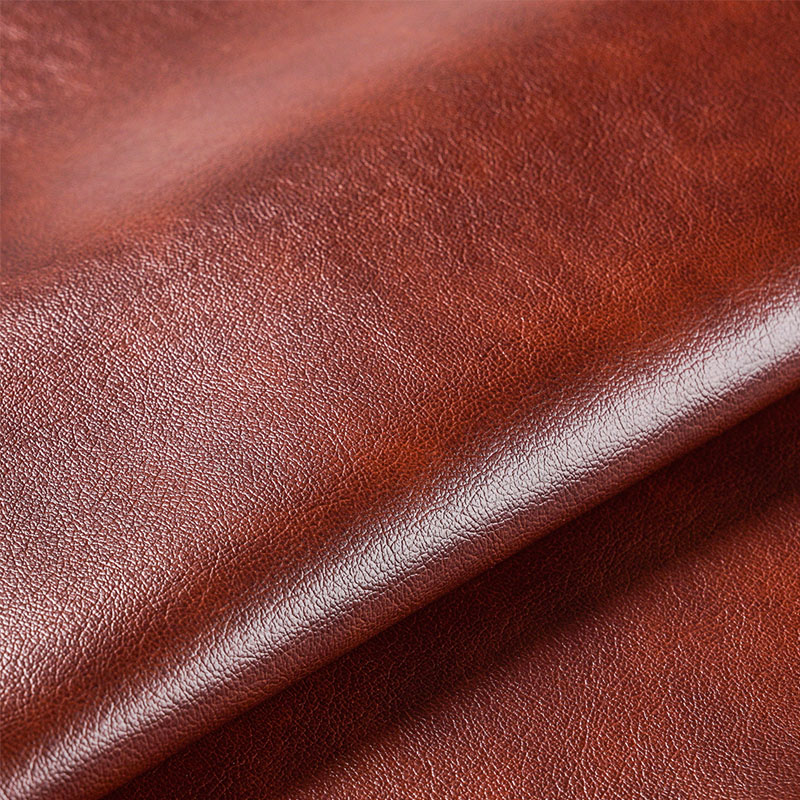
ZAKER is a China Biobased Leatherette suppliers and wholesale Plant-Based Vegan Leatherette factory. Leveraging a modern production base of nearly 50,000 square meters and over 100 patent technologies, it focuses on the exploration of low-pollution, plant-based, and recyclable new materials, continuously promoting the green transformation of the industry, and through its independent innovation technology platform, forming a diversified product system centered on water-based synthetic leather, biogenic synthetic leather, and functional high-end coating materials, which are widely applied in fashion clothing, luggage, shoe materials, home furniture, automotive interiors, consumer electronics, and other fields.
ecowel®
ecowel® Suppliers
The project utilizes used cooking oil (UCO) as a raw material, employing glycerol—a byproduct of biodiesel refining—to produce bio-based polyols, which are ultimately synthesized into bio-based waterborne polyurethane. This not only recycles waste resources but also reduces reliance on traditional petroleum feedstocks, embodying the concept of Waste-to-Value.
We deliberately avoid feedstocks like corn and sugarcane that may trigger food security controversies, instead selecting glycerol derived from UCO. This choice ensures the ethical sustainability of the solution at the source. Meanwhile, through collaboration with the waste management industry, we achieve "Waste-to-Value" and additionally mitigate the risk of used cooking oil re-entering the food chain.
Our bio-based artificial leather has been applied in the following sectors:
- 3C Electronic Products
We have collaborated with leading brands such as Xiaomi, Honor, and Transsion, integrating bio-based artificial leather into mobile phone back covers, protective cases, headphone ear cushions, and tablet sleeves. Beyond offering a unique, warm, skin-friendly texture and high-end aesthetic, it injects quantifiable environmental value into tech products. Brands like Xiaomi have leveraged this material for market education, positioning "green sustainability" as a new source of product differentiation and competitiveness. - Automotive and Aircraft Interiors
Traditional oil-based synthetic leather and adhesives used in automotive interiors are major sources of in-vehicle VOCs (Volatile Organic Compounds). Our all-water-based technology system—including waterborne artificial leather and waterborne adhesives—significantly reduces in-vehicle VOC emissions, creating an odor-free and healthier cabin environment for new energy vehicles and electric aircraft. We are collaborating deeply with brand designers in these fields from the initial product definition stage to systematically integrate sustainable materials into components such as seats, armrests, and center console wraps. - Furniture and Home Appliance Panels
- Furniture Sector: Applied in sofa, chair, and headboard upholstery, it offers superior durability and comfort while providing furniture products with more design-forward and eco-friendly material options.
- Home Appliance Sector: We are exploring with designers the application of high-performance bio-based artificial leather and bio-based adhesives in the panel wrapping and decoration of home appliances such as refrigerators and air conditioners. This not only enhances the overall texture and "green premium" of home appliances but also helps manufacturers comply with increasingly stringent global environmental regulations and improve product sustainability ratings.
Translation Notes
- Term Consistency: Key technical terms (e.g., "bio-based polyols," "waterborne polyurethane," "VOCs") and concepts (e.g., "Waste-to-Value," "Pilot to Scale") are unified throughout, aligning with international industry standards.
- Syntax Optimization: Complex Chinese sentences are restructured into concise, logical English clauses (e.g., using participles and relative clauses) to suit technical documentation conventions.
- Cultural/Industry Adaptation:
- "3C Electronic Products" retains the global industry abbreviation (Computers, Communications, Consumer Electronics).
- Brand names (Xiaomi, Honor, Transsion) use official English spellings.
- "Green premium" is adopted as the standard term for the environmental value premium in commercial contexts.
- Tense Accuracy: Past tense (2022–2024 R&D milestones) and present tense (current focus/applications) are strictly distinguished for clarity.
About
Zhejiang ZAKER New Material Technology Co., Ltd.
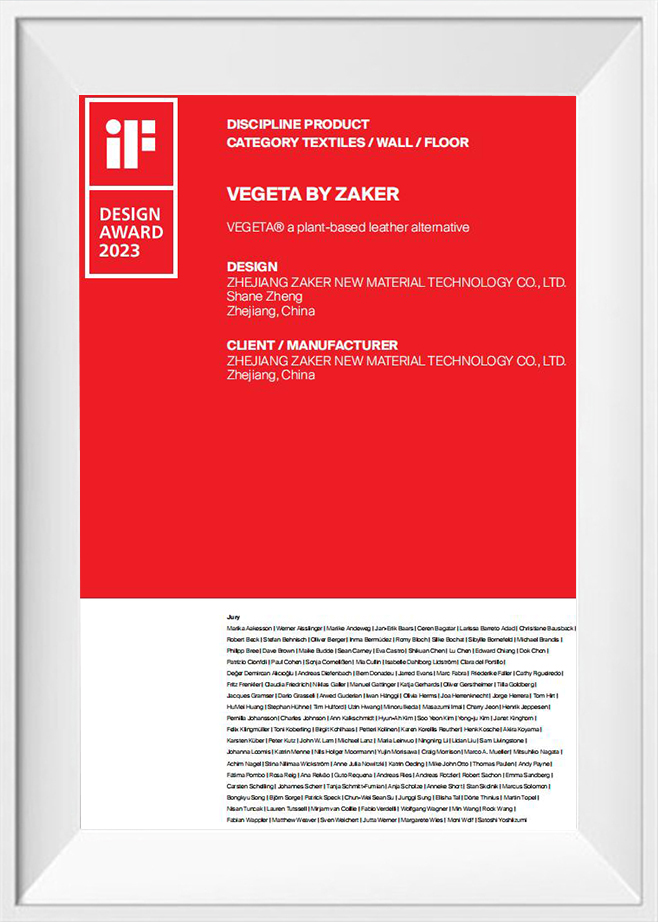
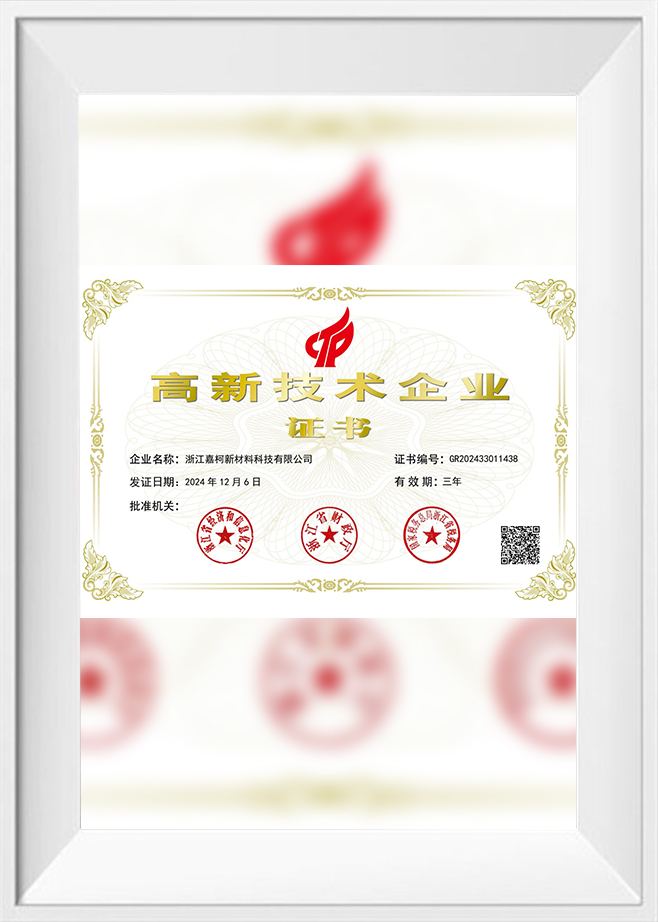
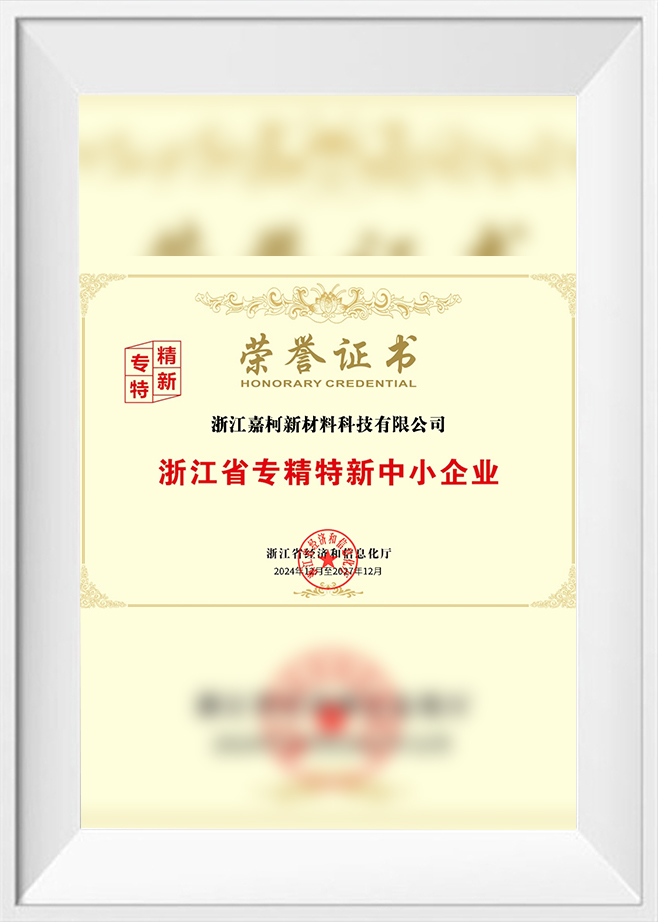
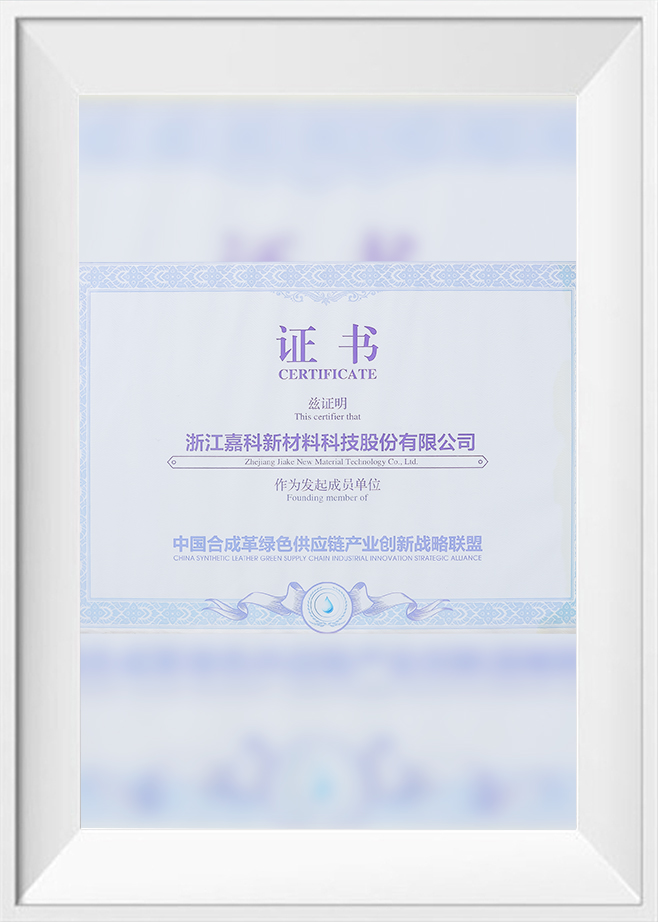
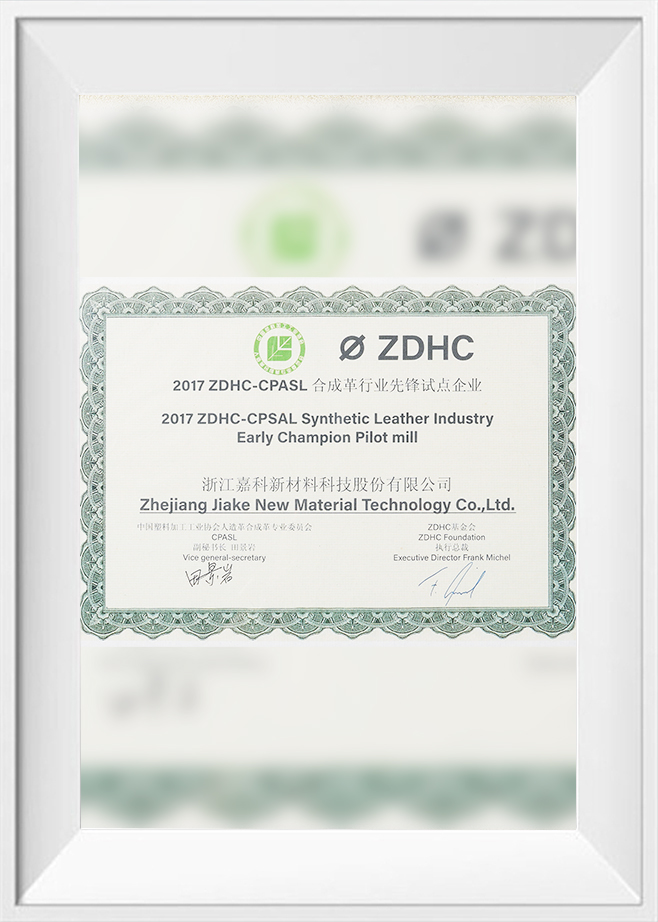
Certificate Of Honor
Message Feedback
Update News And Events
-
2026.10.16How Should Buyers Test Bio-Based Leatherette Before Moving to Production?A material sample can look promising in the showroom and still create unexpected problems during production. For companies developing automotive interiors, furniture, footwear, bag
-
2026.10.09Should Buyers Look Beyond the Bio-Based Label When Choosing Leatherette?The move toward bio-based materials is creating new options for automotive interiors, furniture, footwear, bags, and other applications that traditionally rely on leather or synthe
-
2026.09.30ZAKER: How Does the Traceability System Penetrate the Supply Chain?ZAKER The compliance requirements for global supply chains keep escalating. Downstream brands in apparel, luggage, automotive interiors, home furnishings and other sectors are impo
-
2026.09.30ZAKER: A Differentiated Path for Plant-Based Leather in New Energy VehiclesThe new energy vehicle industry continues to iterate at high speed, with the race toward electrification and intelligence now entering its second half. Today, when consumers choose
-
2026.10.02Can Bio-Based Leatherette Meet the Performance Demands of Modern Products?For buyers sourcing materials for automotive interiors, furniture, footwear, bags, and other consumer products, sustainability is increasingly being considered alongside durability
Bio-Based Leatherette: Why Plant-Based Alternatives Are Reshaping Modern Material Supply Chains
As global brands continue to reduce carbon emissions and phase out solvent-heavy materials, bio-based leatherette is becoming a strategic material choice across fashion, furniture, automotive interiors, packaging, and consumer goods. Compared with conventional synthetic leather, modern plant-based leatherette solutions offer improved sustainability, lower VOC emissions, and a more responsible raw material structure without sacrificing durability or visual appeal.
For manufacturers, importers, and private-label brands, understanding the differences between bio-based leatherette, plant-based vegan leatherette, and traditional PU leather is now essential when evaluating suppliers and future product development.
What Is Bio-Based Leatherette?
Materials Science Bio-based leatherette refers to synthetic leather materials partially derived from renewable biological resources instead of relying entirely on petroleum-based compounds.
Unlike conventional artificial leather that uses fossil-derived polyurethane or PVC systems, bio-based leatherette incorporates renewable feedstocks such as:
- Corn-based polyols
- Castor oil derivatives
- Bamboo fiber composites
- Apple pomace residues
- Pineapple leaf fiber
- Sugarcane biomass
- Mushroom mycelium components
The percentage of renewable content varies depending on the formulation and intended application. Some commercial materials contain 20–80% bio-based carbon content while still maintaining industrial-grade performance.
Common Long-Tail Search Terms
- bio based leatherette material supplier
- sustainable leatherette manufacturer
- renewable PU leather alternative
- low VOC bio leatherette rolls
- eco friendly leatherette for upholstery
- bio-based synthetic leather factory
These search patterns are frequently used by sourcing managers, OEM buyers, and sustainability-focused product developers.
Understanding Plant-Based Vegan Leatherette
Plant-based vegan leatherette is often associated with bio-based leatherette, but the two terms are not always identical.
Key Difference
- Plant-based vegan leatherette emphasizes raw materials sourced from plants and excludes animal-derived ingredients.
- Bio-based leatherette focuses on renewable carbon content, regardless of whether the formulation is fully plant-derived.
Many premium manufacturers now combine both concepts to create advanced vegan leather systems with improved environmental positioning.
Why Brands Are Moving Toward Bio-Based Leatherette
1. Lower Environmental Impact
Many international brands are under pressure to reduce dependence on fossil-based materials and improve ESG reporting. Bio-based leatherette can help lower lifecycle carbon emissions compared with conventional synthetic leather systems.
In addition, water-based and solvent-reduced production technologies are increasingly paired with bio-based formulations to minimize VOC emissions during manufacturing.
2. Consumer Preference for Sustainable Materials
Consumers in North America and Europe increasingly search for terms like:
- vegan leather upholstery fabric
- eco leather for furniture
- sustainable handbag leather alternative
- plant-based leather for footwear
- cruelty-free leatherette supplier
Search intent has shifted beyond aesthetics toward transparency, sourcing ethics, and environmental responsibility.
3. Regulatory Pressure in Global Markets
Markets such as the European Union continue tightening environmental standards around industrial chemicals, emissions, and sustainable sourcing. Material suppliers capable of offering bio-based, DMF-free, and low-VOC leatherette solutions are gaining stronger positioning in export-oriented industries.
Core Applications of Bio-Based Leatherette
Furniture & Upholstery
Modern upholstery manufacturers increasingly adopt bio-based leatherette for:
- Sofas
- Dining chairs
- Hospitality seating
- RV interiors
- Office furniture
The material offers easier maintenance than genuine leather while supporting sustainable branding initiatives.
High-Intent Commercial Keywords
- bio based upholstery leather supplier
- sustainable furniture leatherette rolls
- vegan leather for commercial seating
- low VOC synthetic leather upholstery
Automotive Interior Materials
Automotive OEMs and EV manufacturers increasingly prioritize lightweight and sustainable interior materials.
Applications include:
- Seat covers
- Door panels
- Steering wheel wrapping
- Dashboard surfaces
- Headliners
Bio-based leatherette helps manufacturers align with carbon reduction targets while maintaining abrasion resistance and flexibility.
Common B2B Search Queries
- automotive bio based leather supplier
- vegan leather for EV interiors
- sustainable synthetic leather automotive grade
- abrasion resistant plant based leatherette
Fashion & Accessories
Fashion brands use plant-based vegan leatherette in:
- Handbags
- Footwear
- Wallets
- Cosmetic bags
- Watch straps
For many emerging brands, sustainability messaging has become a major selling point rather than a secondary feature.
Bio-Based Leatherette vs Traditional PU Leather
| Feature | Bio-Based Leatherette | Traditional PU Leather |
|---|---|---|
| Raw Material Source | Renewable + petroleum hybrid | Mainly petroleum-based |
| Sustainability Positioning | Strong | Moderate |
| VOC Potential | Lower with water-based systems | Higher in solvent systems |
| Carbon Footprint | Reduced | Higher |
| Market Perception | Premium sustainable option | Conventional synthetic material |
| Cost | Typically higher | More economical |
While traditional PU leather remains dominant due to cost efficiency, bio-based alternatives are rapidly expanding in premium and export-focused markets.
What Buyers Look for in a Bio-Based Leatherette Supplier
When evaluating a professional bio-based leatherette supplier, buyers commonly focus on several factors beyond appearance alone.
Material Performance
Key technical requirements often include:
- Abrasion resistance
- Hydrolysis resistance
- UV stability
- Flexibility
- Color fastness
- Breathability
Environmental Compliance
International buyers increasingly request:
- REACH compliance
- RoHS compliance
- DMF-free formulations
- Water-based coating systems
- Low VOC certification
OEM & Customization Capability
A competitive supplier should support:
- Custom texture development
- Embossing patterns
- Thickness customization
- Flame-retardant options
- Color matching
- Backing fabric selection
Commercial Search Intent Examples
- custom bio based leatherette manufacturer
- OEM vegan leather supplier
- water based bio leather factory
- sustainable leatherette rolls wholesale
The Future of Plant-Based Leatherette
Circular Economy The next generation of sustainable synthetic leather is moving toward higher renewable content, improved recyclability, and circular material systems.
Material innovation is accelerating in areas such as:
- Mycelium leather technology
- Agricultural waste composites
- Solvent-free coating systems
- Recycled polyester backing fabrics
- Carbon footprint traceability
As sustainability regulations tighten and consumer expectations evolve, bio-based leatherette is expected to become a mainstream material category rather than a niche alternative.
Bio-based leatherette and plant-based vegan leatherette are no longer experimental concepts limited to eco-focused startups. They are becoming commercially viable solutions for global industries seeking sustainable, scalable, and design-flexible alternatives to conventional synthetic leather.
For importers, manufacturers, and product developers, selecting the right bio-based leatherette supplier now involves balancing environmental performance, material durability, compliance standards, and long-term supply chain reliability.
As the market shifts toward cleaner production and renewable material systems, suppliers capable of combining performance with sustainability will continue gaining competitive advantages in international markets.