
 English
 中文简体
中文简体 日本語
日本語 Español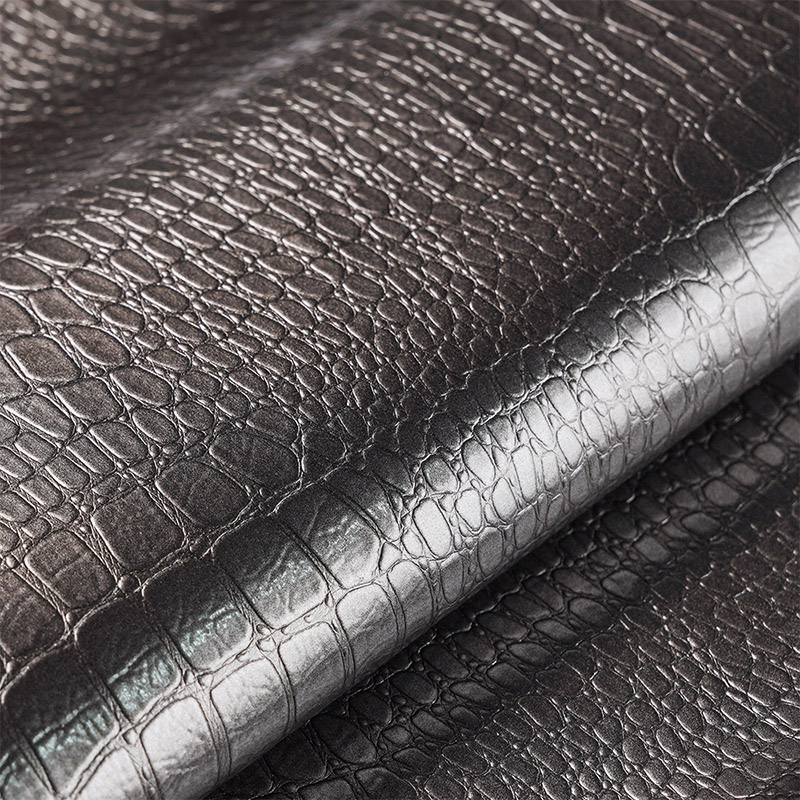
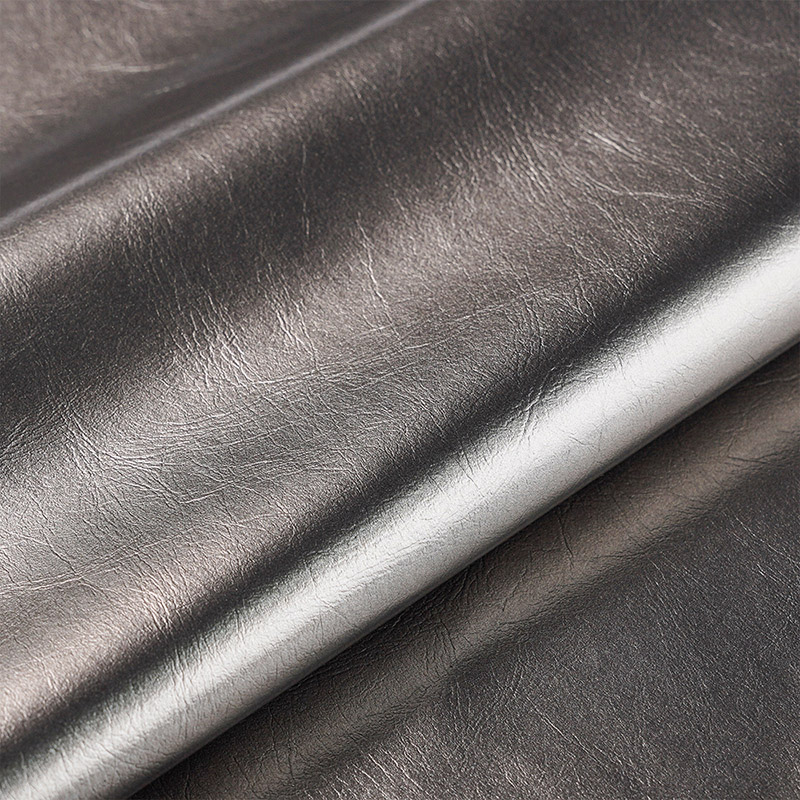
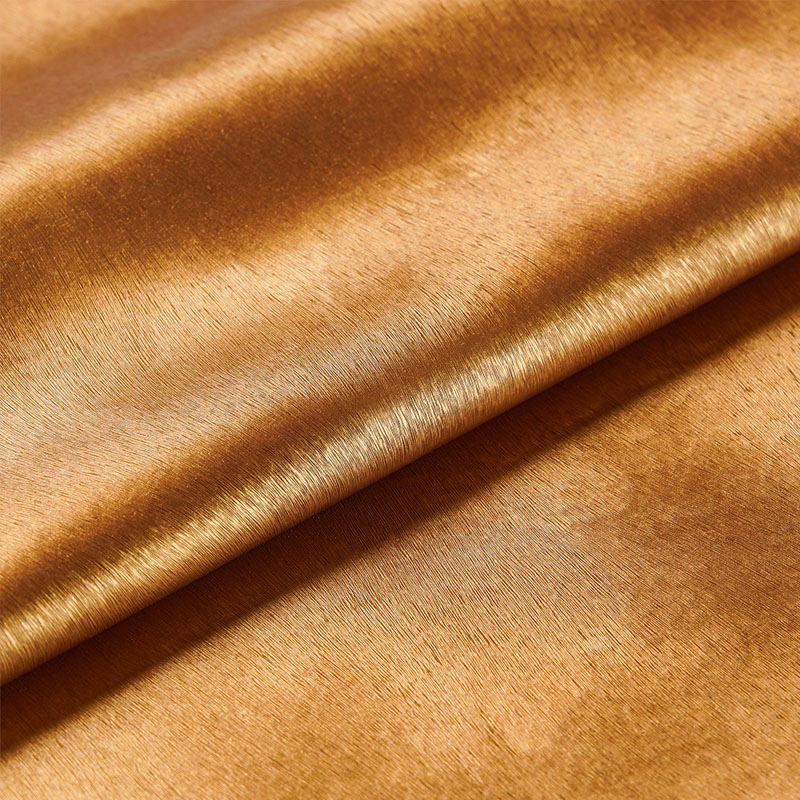
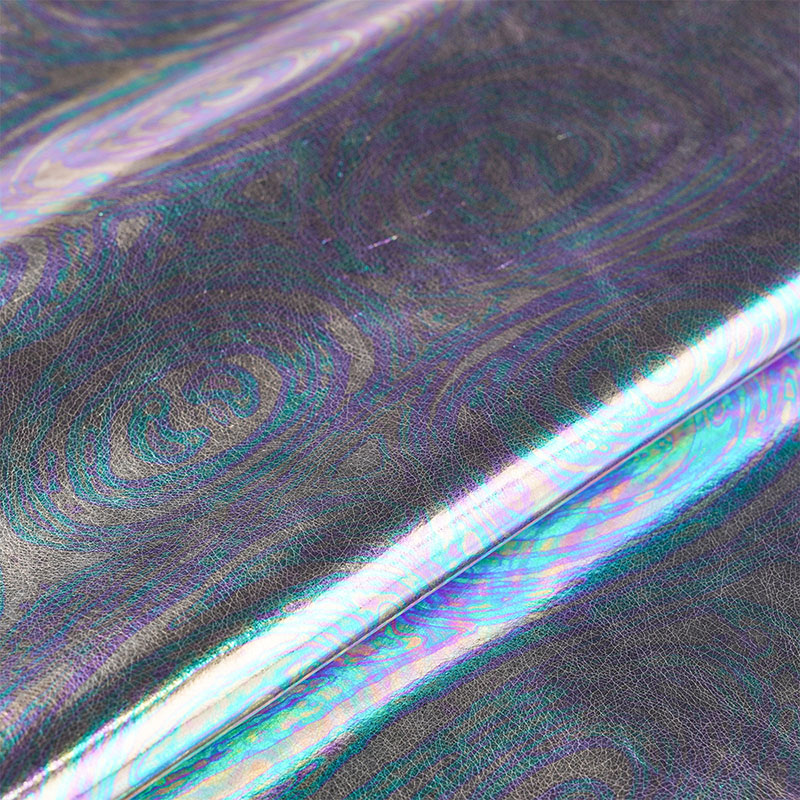
ZAKER is a China Metallic Luster Leatherette suppliers and wholesale Metallic Luster Leatherette factory. Leveraging a modern production base of nearly 50,000 square meters and over 100 patent technologies, it focuses on the exploration of low-pollution, plant-based, and recyclable new materials, continuously promoting the green transformation of the industry, and through its independent innovation technology platform, forming a diversified product system centered on water-based synthetic leather, biogenic synthetic leather, and functional high-end coating materials, which are widely applied in fashion clothing, luggage, shoe materials, home furniture, automotive interiors, consumer electronics, and other fields.
Metallic Luster Leatherette
Metallic Luster Leatherette Suppliers
About
Zhejiang ZAKER New Material Technology Co., Ltd.
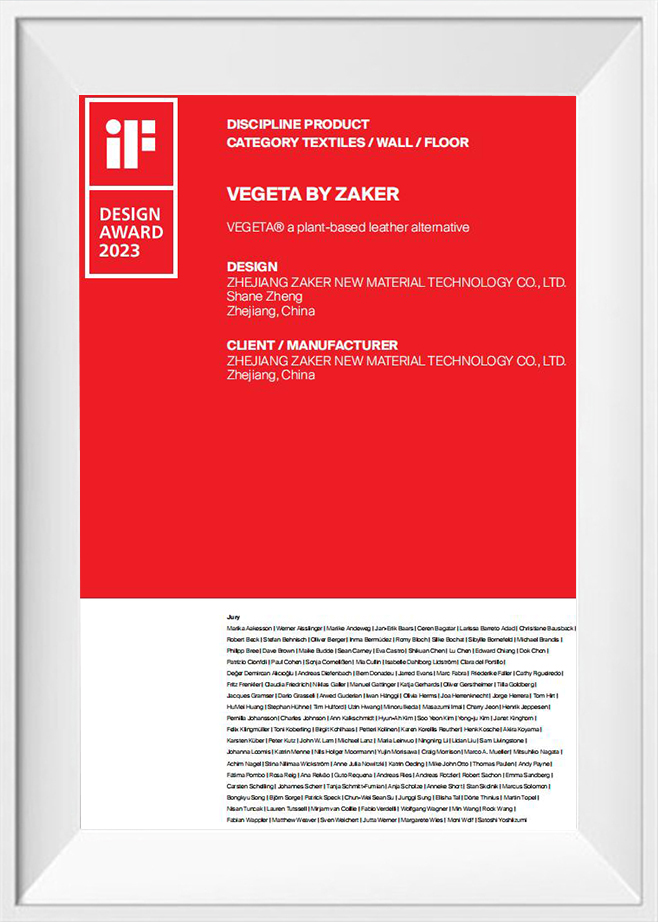
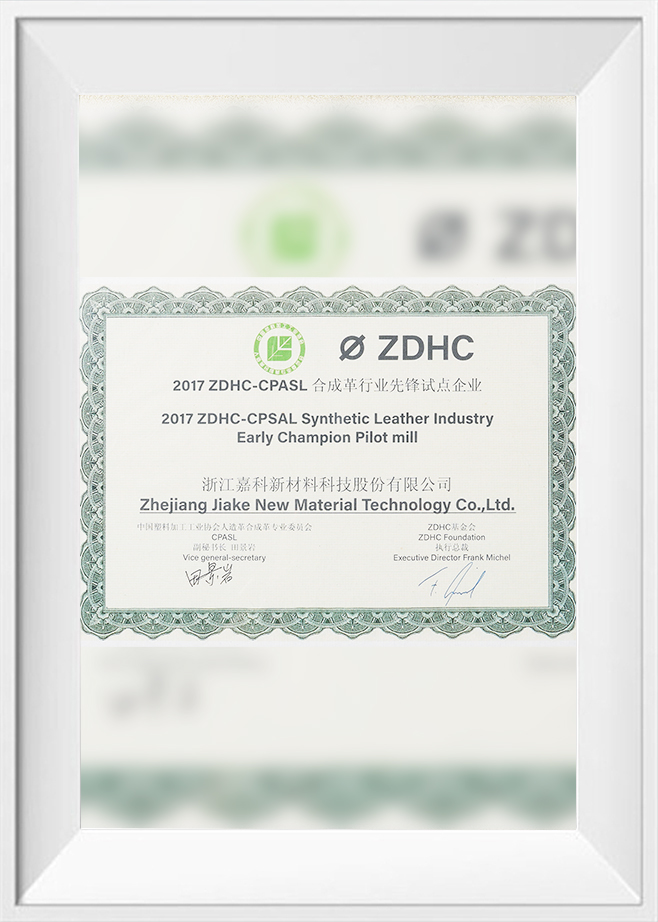
Certificate Of Honor
Message Feedback
Update News And Events
-
2026.10.16How Should Buyers Test Bio-Based Leatherette Before Moving to Production?A material sample can look promising in the showroom and still create unexpected problems during production. For companies developing automotive interiors, furniture, footwear, bag
-
2026.10.09Should Buyers Look Beyond the Bio-Based Label When Choosing Leatherette?The move toward bio-based materials is creating new options for automotive interiors, furniture, footwear, bags, and other applications that traditionally rely on leather or synthe
-
2026.09.30ZAKER: How Does the Traceability System Penetrate the Supply Chain?ZAKER The compliance requirements for global supply chains keep escalating. Downstream brands in apparel, luggage, automotive interiors, home furnishings and other sectors are impo
-
2026.09.30ZAKER: A Differentiated Path for Plant-Based Leather in New Energy VehiclesThe new energy vehicle industry continues to iterate at high speed, with the race toward electrification and intelligence now entering its second half. Today, when consumers choose
-
2026.10.02Can Bio-Based Leatherette Meet the Performance Demands of Modern Products?For buyers sourcing materials for automotive interiors, furniture, footwear, bags, and other consumer products, sustainability is increasingly being considered alongside durability
Metallic Luster Leatherette and Metallic PU Leather: When Synthetic Surfaces Move Toward Reflective Design
In many product categories, surface design has shifted beyond texture and color into something more visual—light interaction. Materials that reflect, shimmer, or subtly glow under different lighting conditions are increasingly used to create attention and premium perception. This is where Metallic Luster Leatherette, Metallic PU Leather, and Metallic Vinyl Fabric have become widely adopted across fashion, packaging, automotive interiors, and decorative applications.
Unlike matte or grain-focused synthetic leather, metallic finishes are designed to respond to light. That interaction is what gives the material its identity.
What Is Metallic Luster Leatherette?
Metallic luster leatherette is a synthetic leather material with a surface coating that produces a soft reflective or shimmering effect. The finish is not as mirror-like as metal, but instead creates a controlled glow depending on angle and lighting.
This effect is usually achieved by integrating metallic pigments into the PU coating layer or applying a reflective film during finishing.
What Defines Its Visual Style
- Soft metallic sheen rather than high gloss reflection
- Light-dependent color shift or shimmer
- Smooth or lightly textured base surface
- Fashion-oriented aesthetic appeal
- Premium visual depth under artificial lighting
It is often used when a product needs to stand out visually without relying on bold patterns or heavy texture.
Understanding Metallic PU Leather
Metallic PU leather refers to polyurethane synthetic leather treated with metallic coatings or pigments to create a reflective or pearlescent surface appearance.
Compared with standard PU leather, the key difference is not structure, but surface behavior under light.
How Metallic Effects Are Created
Manufacturers typically use several techniques:
Metallic Pigment Coating
Fine metallic particles are blended into the PU surface layer to create shimmer.
Foil Lamination
A thin reflective layer is bonded to the surface to enhance brightness and reflectivity.
Pearl and Iridescent Finishing
Special pigments create subtle color shifting effects depending on viewing angle.
Multi-Layer Surface Treatment
Base color + metallic topcoat combinations allow more depth and variation.
These methods help achieve consistent visual effects across large-scale production.
What Is Metallic Vinyl Fabric?
Metallic vinyl fabric is a PVC-based or vinyl-coated textile designed with a metallic or reflective finish. Compared with PU-based materials, vinyl fabrics often have a slightly firmer feel and higher surface shine depending on formulation.
This material is commonly used in applications where strong visual impact is required at a lower production cost.
Common Visual Features
- Higher reflectivity than PU-based metallic leather
- Smooth or slightly embossed surface
- Strong color saturation with metallic overlay
- Durable coating suitable for heavy-use environments
- Eye-catching appearance under artificial lighting
Because of its durability and cost efficiency, metallic vinyl is widely used in commercial and decorative products.
Why Metallic Synthetic Materials Are Becoming More Popular
The rise of metallic leatherette materials is closely connected to changing visual design preferences in consumer products.
Strong Visual Impact in Competitive Markets
In retail environments, products only have seconds to attract attention. Metallic surfaces naturally stand out under lighting.
Association With Premium and Futuristic Styling
Metallic finishes are often linked to luxury, technology, and modern aesthetics, even when used on non-metal materials.
Better Performance in Artificial Lighting
Shimmering surfaces perform especially well in stores, exhibitions, and photography setups.
Expanding Use in Lifestyle Products
Beyond fashion, metallic materials are now used in furniture accents, packaging, and consumer electronics.
Applications of Metallic PU Leather and Vinyl Fabric
Fashion and Accessories
Metallic leatherette is widely used in:
- Handbags and clutches
- Evening wear accessories
- Footwear accents
- Wallets and cosmetic bags
- Festival or stage fashion items
In fashion, metallic surfaces are often used as accent materials rather than full-surface coverage.
Furniture and Interior Design
In interiors, metallic PU leather is used more selectively:
- Decorative chairs
- Accent panels
- Hotel and lounge interiors
- Feature wall coverings
- Bar and entertainment seating
It is often combined with matte materials to create contrast.
Packaging and Brand Presentation
Metallic vinyl fabric is frequently used in:
- Luxury gift boxes
- Cosmetic packaging
- Jewelry presentation cases
- Promotional displays
- Brand exhibition materials
The reflective surface helps increase perceived value and shelf visibility.
Automotive and Concept Design
Some automotive interiors and concept designs use metallic synthetic leather for:
- Dashboard accents
- Door panel detailing
- Decorative trims
- Show car interiors
It is typically applied in limited areas to avoid visual overload.
Metallic PU Leather vs Standard PU Leather
Metallic and standard PU leather serve very different design intentions.
Metallic versions tend to feel:
- More visually expressive
- More reflective under light
- More decorative than functional
- Stronger in aesthetic impact
Standard PU leather focuses on:
- Consistency
- Neutral appearance
- Broad usability
- Minimal visual distraction
The choice depends heavily on whether the product is meant to attract attention or remain visually subtle.
Key Considerations in Production
Although metallic surfaces appear simple, they require careful technical control.
Coating Uniformity
Metallic pigments must be evenly distributed to avoid patchy reflection.
Adhesion Stability
The metallic layer must bond securely to prevent peeling or fading.
Scratch Resistance
Reflective surfaces tend to show wear more easily if not properly protected.
Color Consistency
Maintaining stable tone across batches is essential for commercial production.
These factors directly affect how premium the final material appears in real use.
Material Trends Shaping Metallic Leatherette Development
Modern metallic synthetic materials are evolving in several directions:
- Softer, low-glare metallic finishes instead of high-gloss surfaces
- More controlled shimmer rather than strong mirror reflection
- Combination with embossing or grain textures
- Use of water-based coating systems for improved environmental performance
- Hybrid designs mixing matte and metallic zones
This evolution is making metallic leatherette more versatile across both fashion and functional product categories.