
 English
 中文简体
中文简体 日本語
日本語 Español
ZAKER is a China Velvety Suede suppliers and wholesale Velvety Suede factory. Leveraging a modern production base of nearly 50,000 square meters and over 100 patent technologies, it focuses on the exploration of low-pollution, plant-based, and recyclable new materials, continuously promoting the green transformation of the industry, and through its independent innovation technology platform, forming a diversified product system centered on water-based synthetic leather, biogenic synthetic leather, and functional high-end coating materials, which are widely applied in fashion clothing, luggage, shoe materials, home furniture, automotive interiors, consumer electronics, and other fields.
About
Zhejiang ZAKER New Material Technology Co., Ltd.
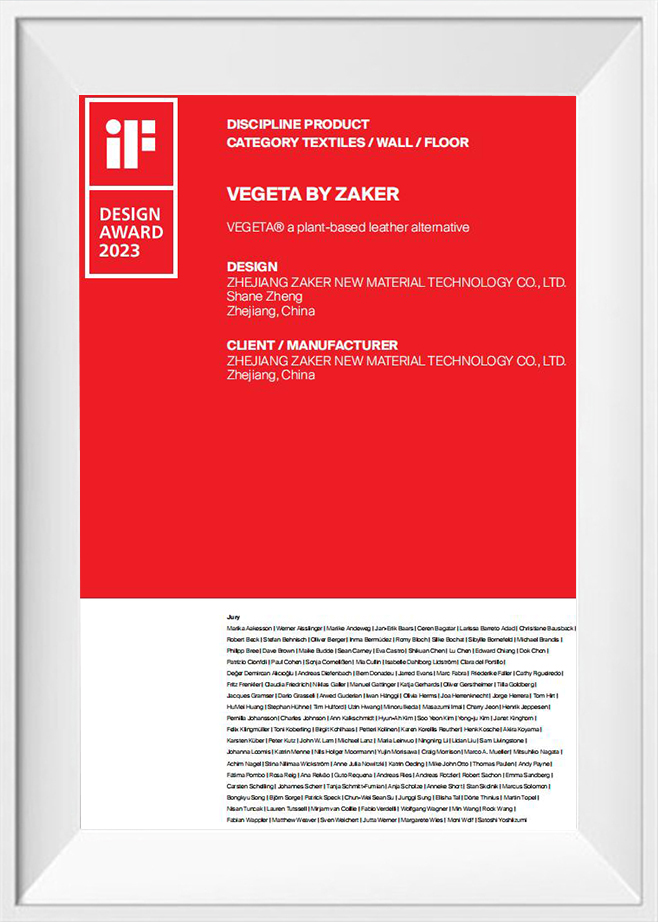
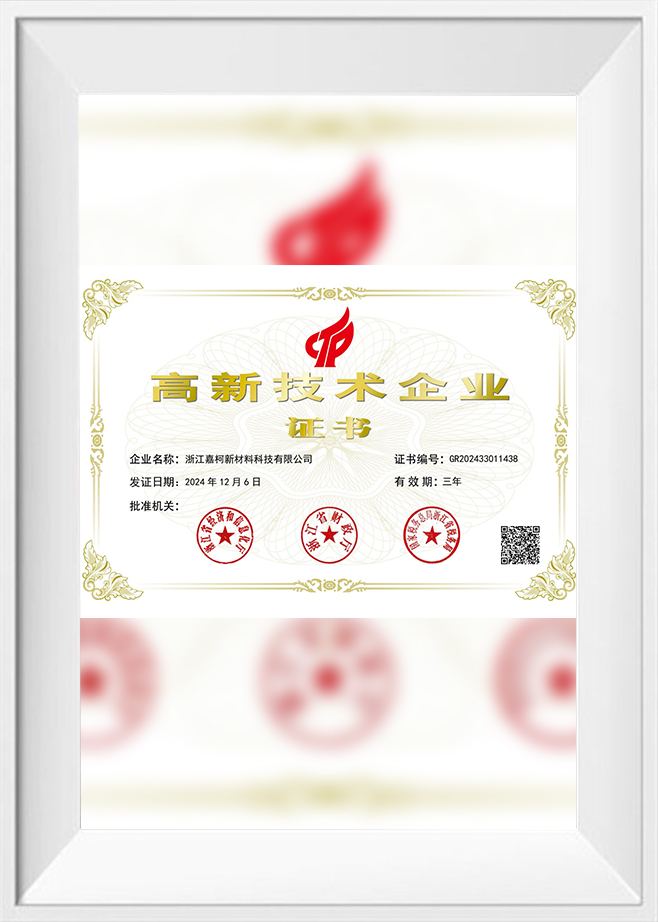
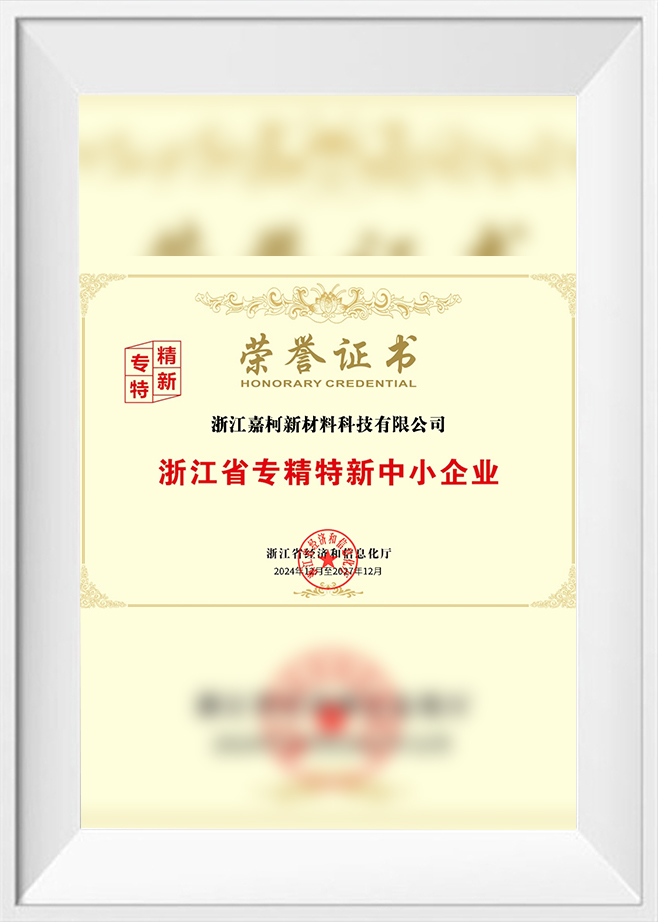
Certificate Of Honor
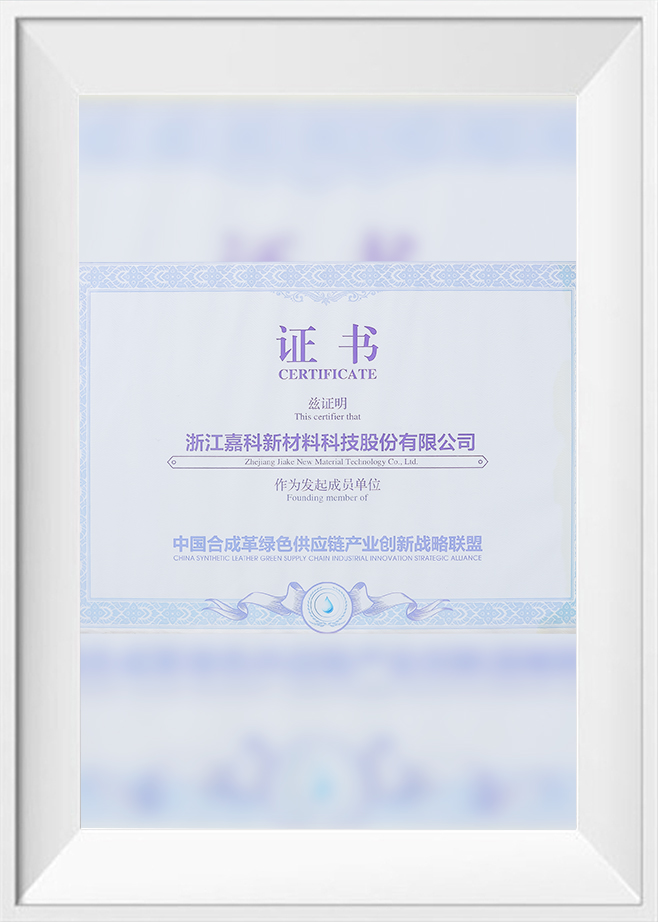
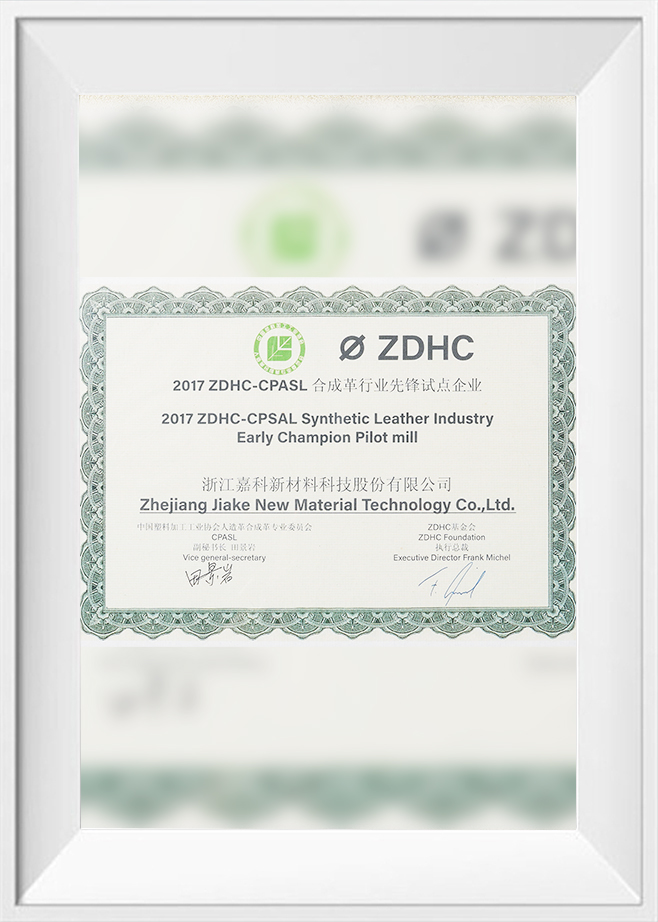
Message Feedback
Update News And Events
-
2026.10.16How Should Buyers Test Bio-Based Leatherette Before Moving to Production?A material sample can look promising in the showroom and still create unexpected problems during production. For companies developing automotive interiors, furniture, footwear, bag
-
2026.10.09Should Buyers Look Beyond the Bio-Based Label When Choosing Leatherette?The move toward bio-based materials is creating new options for automotive interiors, furniture, footwear, bags, and other applications that traditionally rely on leather or synthe
-
2026.09.30ZAKER: How Does the Traceability System Penetrate the Supply Chain?ZAKER The compliance requirements for global supply chains keep escalating. Downstream brands in apparel, luggage, automotive interiors, home furnishings and other sectors are impo
-
2026.09.30ZAKER: A Differentiated Path for Plant-Based Leather in New Energy VehiclesThe new energy vehicle industry continues to iterate at high speed, with the race toward electrification and intelligence now entering its second half. Today, when consumers choose
-
2026.10.02Can Bio-Based Leatherette Meet the Performance Demands of Modern Products?For buyers sourcing materials for automotive interiors, furniture, footwear, bags, and other consumer products, sustainability is increasingly being considered alongside durability
Velvety Suede, Brushed Suede Fabric & Plush Suede Fabric: Materials Designed Around Touch
Some materials are noticed immediately because they shine. Others stand out because of texture or pattern. Suede-inspired fabrics work differently. Their appeal is usually felt before it is fully seen.
That soft, muted surface response—the way the material changes tone when brushed by hand or absorbs light instead of reflecting it—is exactly why Velvety Suede, Brushed Suede Fabric, and Plush Suede Fabric continue to appear in everything from modern furniture to fashion accessories and automotive interiors.
These materials are less about visual sharpness and more about atmosphere.
A Surface That Feels Softer Than It Looks
Unlike glossy leatherette or heavily embossed synthetic materials, suede fabrics create a quieter visual effect. Light does not bounce aggressively off the surface. Instead, it settles into the fine fibers, creating depth through shadow and movement.
This is one reason suede-inspired materials are often associated with comfort-oriented products. Even before physical contact, the surface already suggests softness.
Velvety suede, in particular, is developed to exaggerate this feeling. The surface is smoother, finer, and more fluid when touched, often creating subtle directional marks that disappear when brushed the opposite way.
That movement gives the material a more “alive” appearance compared with flat woven fabrics.
Why Brushed Suede Fabric Feels Different From Standard Textiles
The brushing process changes not only the texture of a fabric, but also the way the material behaves visually.
During production, fine fibers are lifted from the surface through mechanical treatment. Once raised, these fibers create the suede-like nap that gives the fabric its signature softness.
But the interesting part is how this affects perception.
A brushed suede surface tends to feel:
- warmer under indoor lighting
- softer in large furniture applications
- less rigid visually
- more relaxed in modern interiors
Even when used on structured products, brushed suede reduces harshness and makes edges appear smoother.
That is why it is commonly used in spaces where comfort matters as much as appearance.
Plush Suede Fabric and the Shift Toward Comfort-Driven Materials
There has been a noticeable move in recent years toward materials that create emotional comfort rather than purely decorative impact.
Plush suede fabric fits directly into that direction.
Compared with standard suede textures, plush versions usually contain a denser and slightly deeper surface layer. The material feels fuller when pressed and visually softer from a distance.
This makes it especially effective in products designed around prolonged physical interaction, such as:
- lounge seating
- upholstered beds
- reading chairs
- automotive armrests
- winter accessories
The softness becomes part of the user experience rather than just surface decoration.
Why Matte Surfaces Are Returning in Interior and Fashion Design
One reason suede fabrics continue growing in popularity is because design trends have gradually moved away from highly reflective materials.
Glossy finishes often create sharper contrast and stronger visual energy. Suede textures do the opposite—they soften environments.
In interiors, this helps create spaces that feel calmer and less commercial.
In fashion, brushed suede fabrics are frequently chosen because they photograph differently from smooth synthetics. The muted surface absorbs light unevenly, creating more depth in neutral tones and earth-color palettes.
This effect is difficult to achieve with flat synthetic materials.
Velvety Suede in Fashion Products
In handbags, footwear, and apparel, velvety suede is often used not because it looks expensive in an obvious way, but because it changes the mood of a product.
A structured bag covered in smooth glossy material may feel formal. The same silhouette in brushed suede instantly feels softer and more casual.
Designers often use suede textures to create:
- warmer seasonal collections
- vintage-inspired accessories
- soft neutral-toned products
- minimalist fashion items with more texture depth
The material helps create visual richness without relying on excessive decoration.
Why Suede Fabrics Work Well in Upholstery
Large furniture surfaces can sometimes feel visually heavy when covered in smooth leather or highly reflective synthetic materials.
Brushed and plush suede fabrics solve this differently.
Because the surface diffuses light softly, furniture appears:
- less rigid
- more inviting
- visually warmer
- more comfortable at scale
This is especially important in residential interiors where comfort perception strongly influences purchasing decisions.
Suede-like upholstery also works well with wood, stone, matte metal, and woven textiles, making it highly adaptable across interior styles.
The Technical Side of Softness
Although suede fabrics are associated with softness, creating that softness consistently is technically demanding.
Manufacturers must balance several factors:
Fiber Direction Stability
If the nap moves too easily, the surface can appear patchy during use.
Abrasion Resistance
Soft fibers still need to withstand friction in furniture and automotive applications.
Density Control
Too little density creates weak texture; too much can make the material feel heavy.
Color Absorption
Suede surfaces absorb dye differently because of their raised fibers, making tone consistency more challenging.
High-quality suede fabrics are usually defined not only by softness, but by how controlled that softness feels over time.
Where Plush and Brushed Suede Are Expanding
Beyond traditional upholstery and fashion, suede-inspired materials are appearing in more unexpected categories.
These now include:
- premium electronics storage
- jewelry display trays
- acoustic wall panels
- luxury automotive detailing
- boutique retail interiors
- packaging with soft-touch lining
In many of these products, suede is used to change emotional perception rather than improve technical performance.
It makes products feel quieter, warmer, and more tactile.
A Material Built Around Mood
What separates velvety suede and plush suede fabrics from many other synthetic materials is that they influence atmosphere more than attention.
They are rarely the loudest material in a room or product collection. Instead, they shape how the overall environment feels.
That softer visual rhythm—combined with a touch-oriented surface—is exactly why suede-inspired materials continue to remain relevant even as material trends constantly evolve.