 English
 中文简体
中文简体 日本語
日本語 Español
In recent years, global manufacturers in automotive interiors, furniture design, fashion accessories, and consumer electronics have been actively re-evaluating material choices in response to sustainability targets, regulatory pressure, and shifting consumer expectations. Instead of focusing solely on traditional synthetic materials, procurement teams are increasingly prioritizing environmentally responsible alternatives that maintain durability and visual appeal.
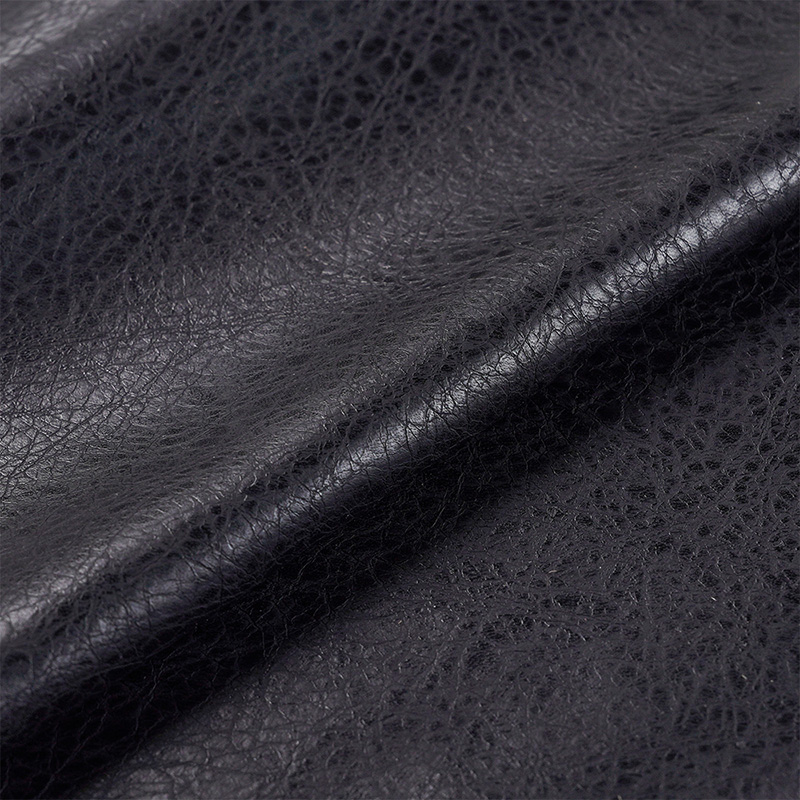
Recent overseas search trends show rising interest in terms such as “eco friendly leather alternative for car interiors,” “non toxic vegan upholstery material for furniture,” and “durable plant based synthetic leather for commercial use.” These reflect a clear shift toward low-impact, bio-based surface materials that can meet both performance and environmental requirements.
Sustainability Regulations Are Reshaping Material Selection
One of the strongest forces driving change is the global expansion of environmental regulations and ESG reporting requirements. Industries are now expected to reduce reliance on fossil-based materials and demonstrate measurable progress toward sustainability goals.
Key regulatory and market pressures include:
- stricter carbon footprint reporting requirements
- increasing restrictions on PVC-heavy materials in certain markets
- brand-level sustainability commitments from global corporations
- consumer preference for transparent supply chains
As a result, buyers are actively seeking alternative surface materials that align with long-term environmental compliance.
Automotive Interiors Are Leading Material Transition
The automotive industry is one of the fastest adopters of sustainable interior materials. Car manufacturers and Tier 1 suppliers are integrating alternative leather-like materials into dashboards, seats, door panels, and trims.
Common requirements include:
- abrasion resistance for high-contact surfaces
- temperature stability in varying climates
- soft-touch visual and tactile performance
- compatibility with automated upholstery processes
This transition is strongly influenced by both regulatory standards and brand positioning strategies.
Furniture Industry Demand for Sustainable Upholstery Is Increasing
In the furniture sector, especially in export-driven markets, sustainability has become a key purchasing factor. Retailers and hospitality buyers are prioritizing materials that offer both aesthetic value and environmental responsibility.
Typical buyer expectations include:
- consistent texture and grain appearance
- long-term resistance to wear and staining
- suitability for mass production upholstery systems
- reduced environmental impact during production
These requirements are reshaping how manufacturers design and source surface materials for sofas, chairs, and interior décor products.
Performance Consistency Remains a Core Technical Requirement
While sustainability is a major driver, performance consistency remains equally important. Buyers expect alternative materials to match or exceed traditional synthetic leather in daily use conditions.
Key technical evaluation factors include:
- flexibility and fold resistance
- surface durability under repeated use
- resistance to cracking and peeling
- color stability under UV exposure
Manufacturers are focusing on balancing environmental benefits with stable mechanical performance.
Supply Chain Transparency Is Becoming a Procurement Priority
Global buyers are increasingly requesting clearer information about raw material origins, production processes, and environmental impact. Transparency has become a key differentiator in supplier selection.
Common procurement requirements include:
- traceable raw material sourcing
- documented production standards
- compliance with international safety regulations
- consistent batch-to-batch quality control
This trend is especially strong among European and North American importers.
Industrial Applications Are Expanding Beyond Traditional Markets
While initially concentrated in automotive and furniture industries, bio-based surface materials are now being adopted in a wider range of applications, including luggage, footwear, electronics accessories, and commercial interiors.
Emerging use cases include:
- sustainable packaging and retail displays
- eco-conscious fashion accessories
- office and commercial interior design
- hospitality furniture and seating systems
This diversification is increasing global demand for scalable and adaptable material solutions.
Material Innovation Is Driving the Next Phase of Industry Growth
As sustainability expectations continue to rise, material innovation is becoming a competitive advantage for manufacturers and brands. The focus is shifting toward scalable, high-performance alternatives that reduce environmental impact without compromising usability or design flexibility.
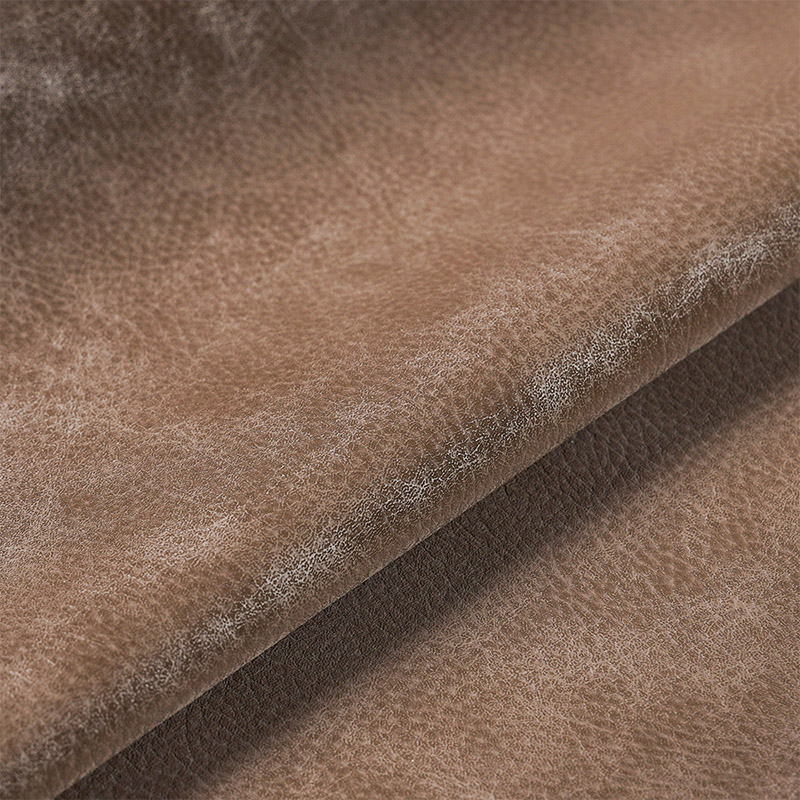
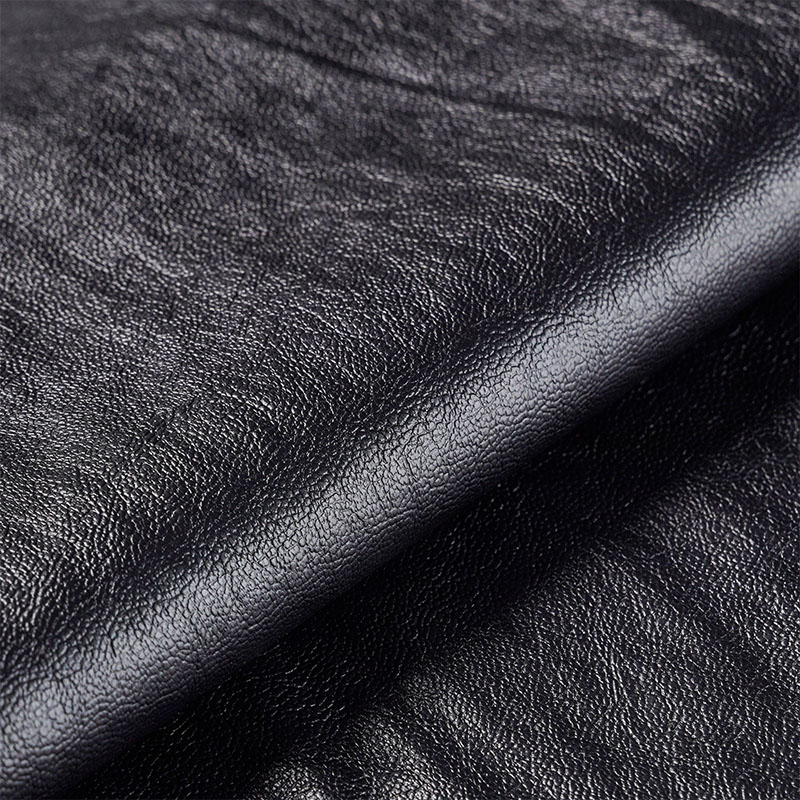
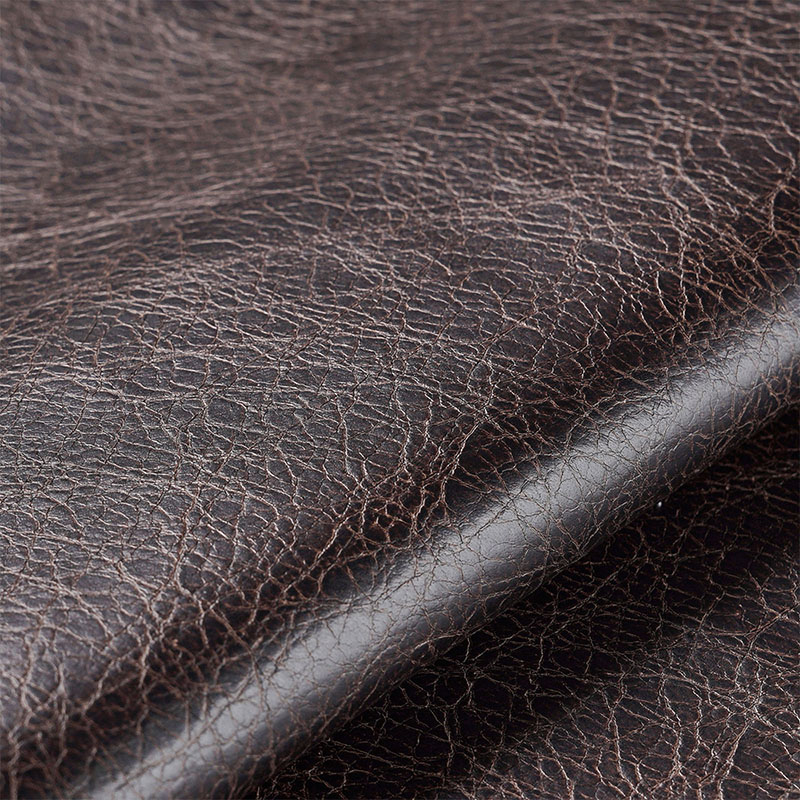
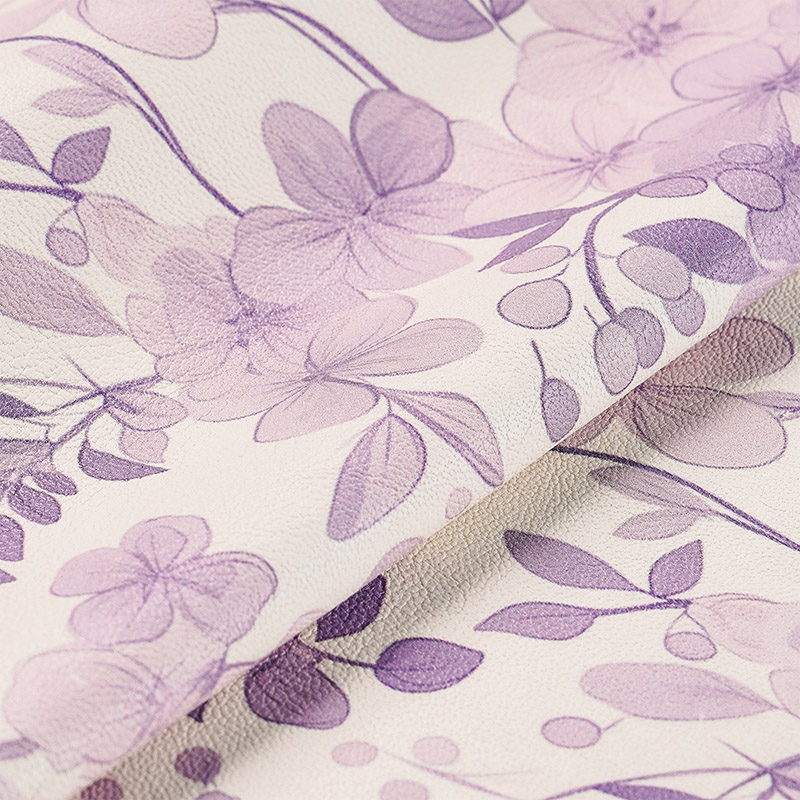
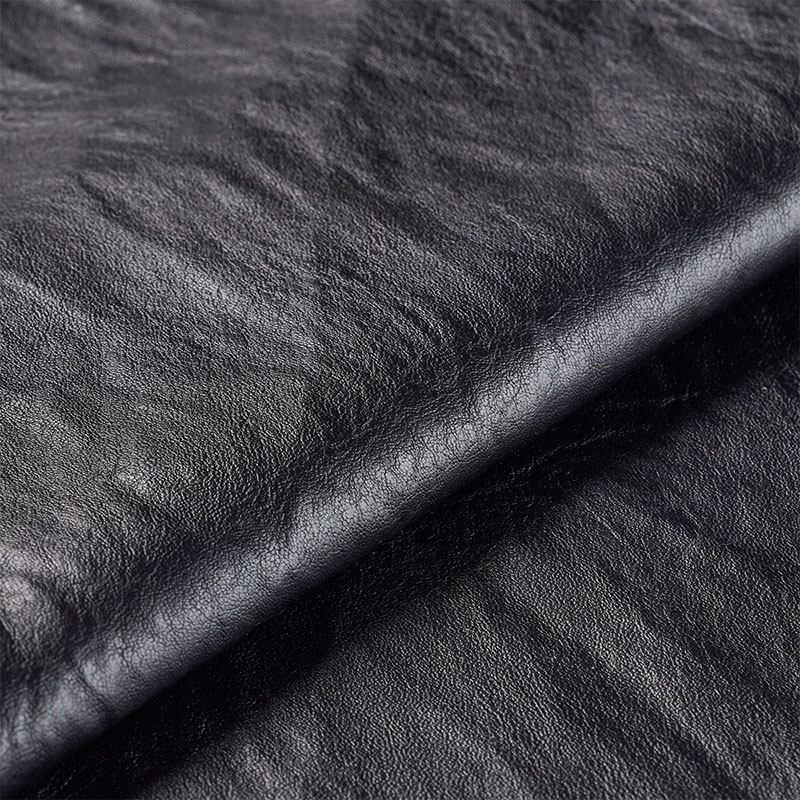
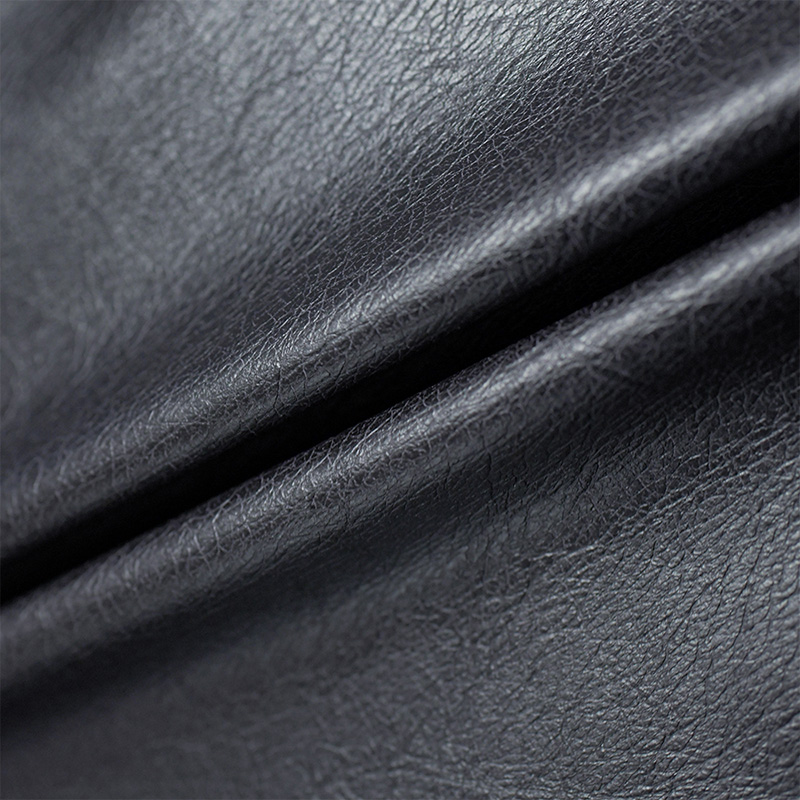
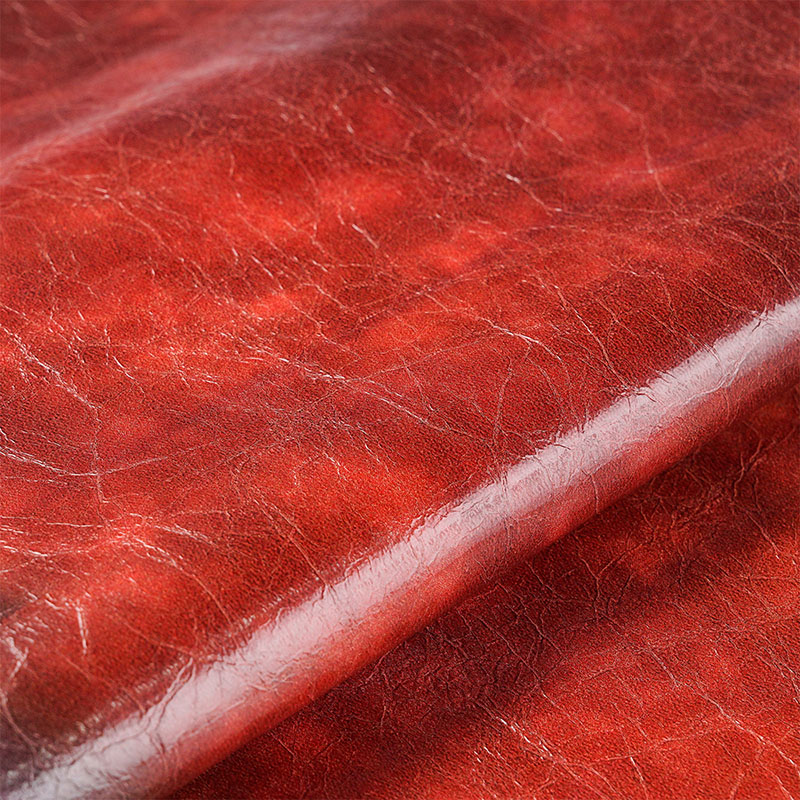
This is why demand for solutions from a Biobased Leatherette Supplier continues to grow across global industries, while advanced material systems such as Plant-Based Vegan Leatherette are becoming a key choice for manufacturers seeking sustainable, durable, and commercially viable alternatives to traditional synthetic leather in modern product development.