 English
 中文简体
中文简体 日本語
日本語 Español
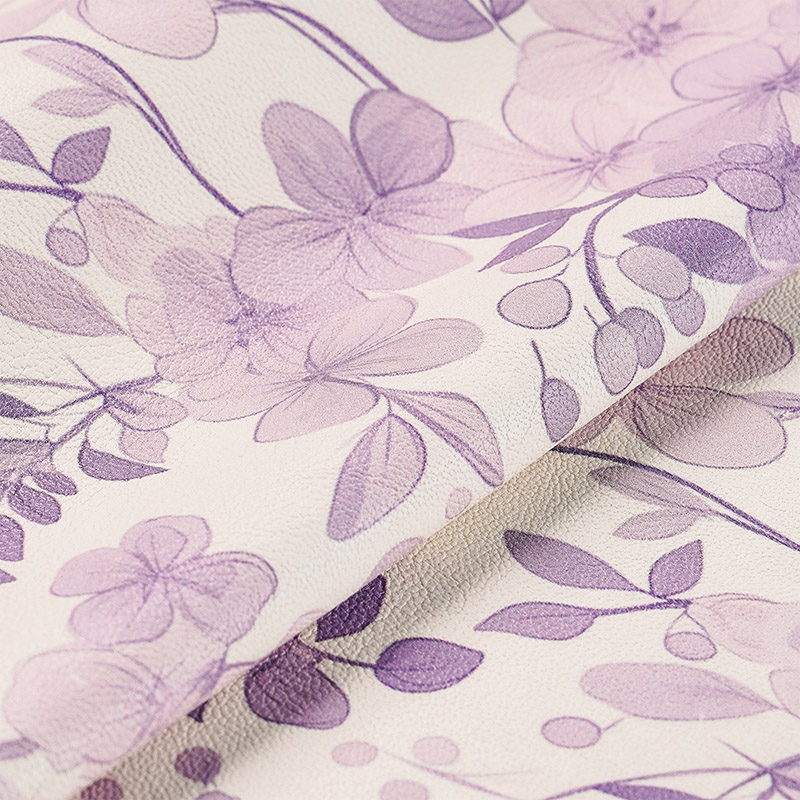
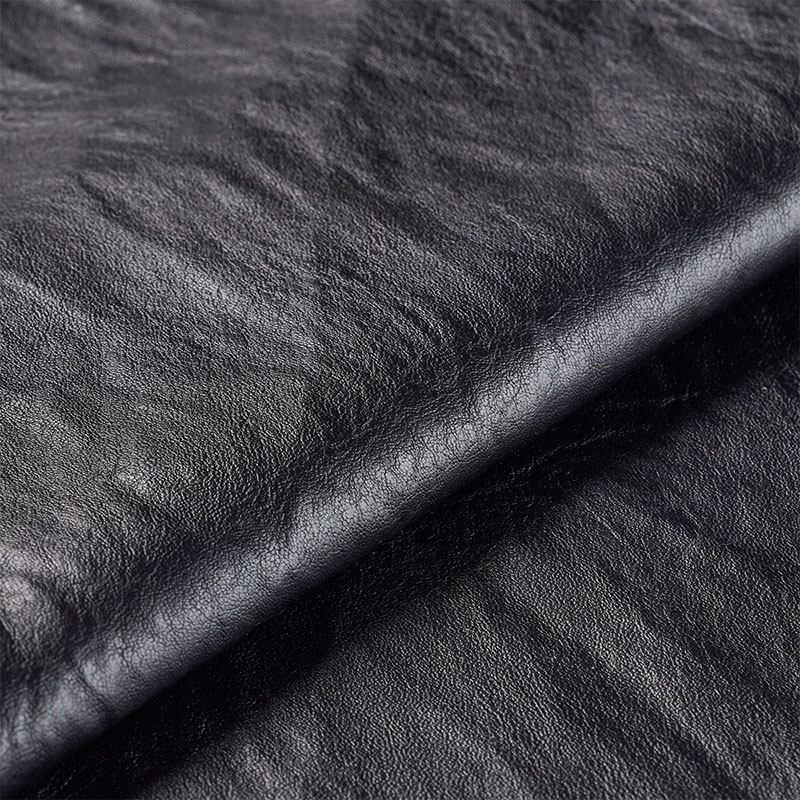
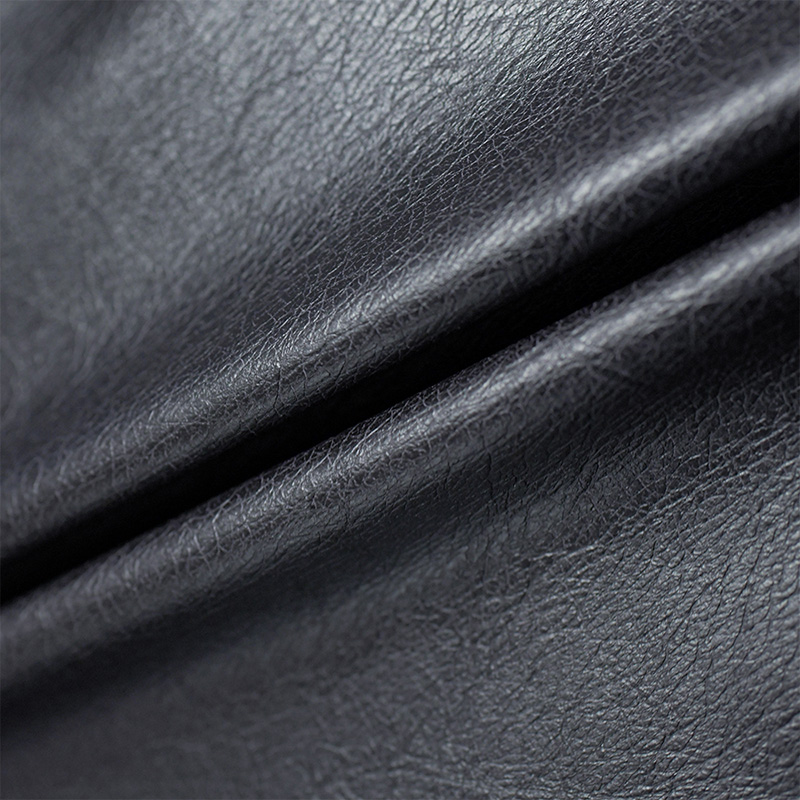
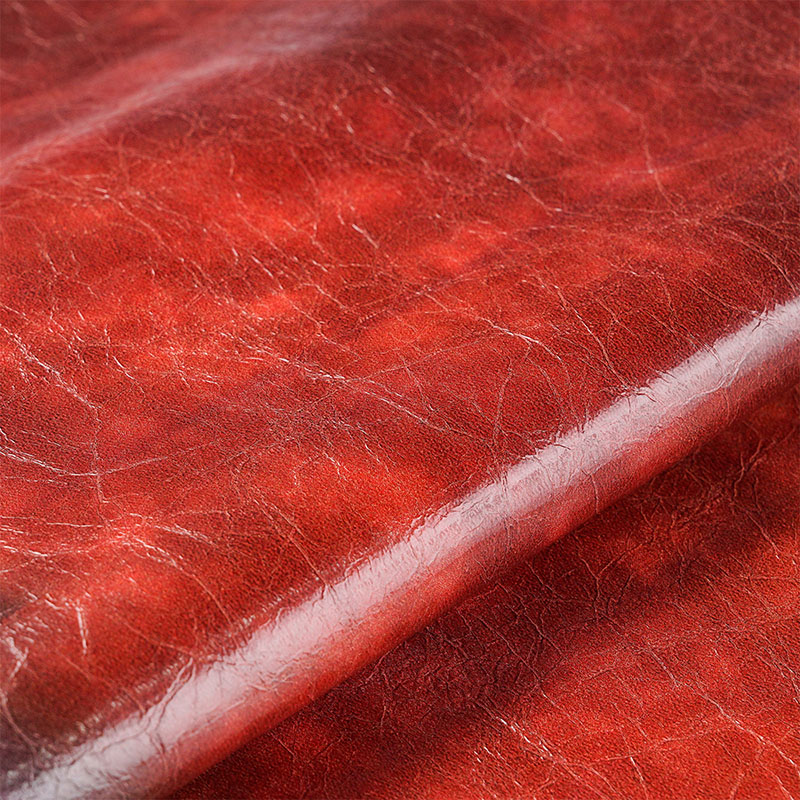
In global material sourcing, the terms Faux Leather Factory and Vegan Leather Factory are often used interchangeably. At first glance, they may sound like simple naming variations for the same type of production. In reality, they reflect two slightly different ways of positioning synthetic leather within today’s evolving manufacturing landscape.
One is rooted in traditional industrial terminology, focusing on imitation materials and large-scale production systems. The other is shaped more by modern consumer values, where material origin, ethics, and environmental responsibility play a larger role in purchasing decisions.
Together, they describe how synthetic leather manufacturing is shifting from pure imitation toward a more complex material ecosystem.
What Defines a Faux Leather Factory Today
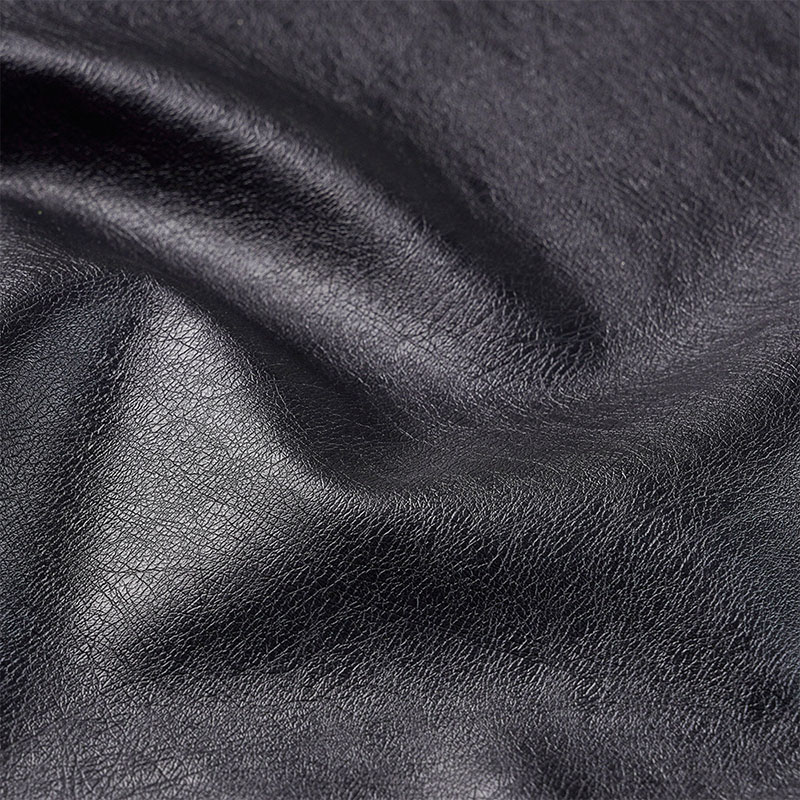
A faux leather factory traditionally refers to a manufacturing facility that produces synthetic leather materials designed to replicate the appearance and performance of natural leather.
These factories typically handle:
- PU (polyurethane) coating processes
- PVC-based surface systems (in some production lines)
- textile backing lamination
- embossing and texture development
- surface finishing and coloration
The primary goal has historically been visual substitution—creating materials that resemble leather while offering scalability and cost efficiency.
However, modern faux leather production is no longer limited to imitation. Many factories now develop materials with their own identity, rather than simply copying natural leather textures.
The Evolution Toward Vegan Leather Manufacturing
The term vegan leather factory reflects a broader shift in market expectations.
Unlike traditional terminology, “vegan leather” is not just about appearance. It is increasingly associated with:
- absence of animal-derived materials
- reduced environmental impact
- improved chemical control
- responsible sourcing practices
- ethical manufacturing positioning
As a result, vegan leather factories are often evaluated not only on production capability, but also on how they align with sustainability expectations from global brands.
This shift has changed how manufacturers present themselves in international markets.
Why the Industry Is Moving Beyond Simple “Imitation”
Earlier synthetic leather production was largely focused on replicating natural leather as closely as possible. The success of a product was often measured by how indistinguishable it was from genuine leather.
Today, that approach is becoming less dominant.
Modern buyers increasingly care about:
- material performance in real use
- environmental footprint
- production transparency
- durability over time
- design flexibility beyond imitation
Because of this, both faux leather factories and vegan leather factories are expanding their focus from imitation to innovation.
Synthetic leather is increasingly seen as an independent material category rather than a substitute.
Inside a Modern Faux Leather Factory
A contemporary faux leather factory is significantly more advanced than earlier production environments.
Modern facilities often include:
- precision coating lines for PU application
- automated embossing systems for texture control
- digital color matching technology
- low-emission production systems
- quality inspection using optical scanning
- controlled curing environments
These technologies allow manufacturers to produce consistent, high-performance materials at scale while meeting stricter global quality requirements.
In many cases, production is now tightly integrated with material R&D processes.
The Structure of a Vegan Leather Factory
A vegan leather factory often overlaps heavily with faux leather production but is positioned differently in terms of market identity.
In addition to standard manufacturing systems, vegan leather-focused production may emphasize:
- water-based polyurethane technologies
- reduced solvent usage systems
- recycled textile backing integration
- bio-based material exploration
- lifecycle impact reduction strategies
The emphasis is not only on producing synthetic leather, but on improving how the material interacts with environmental and ethical expectations.
This positioning is especially important in fashion, lifestyle, and consumer goods industries where brand perception plays a major role.
Why Water-Based PU Systems Are Changing Production Standards
One of the most important technological shifts in both faux leather and vegan leather factories is the adoption of water-based PU systems.
Compared with traditional solvent-heavy coatings, water-based systems help reduce:
- volatile organic compound (VOC) emissions
- chemical exposure risks in production
- environmental discharge impact
- regulatory compliance complexity
At the same time, newer formulations have improved significantly in:
- softness
- flexibility
- surface durability
- color consistency
This has allowed vegan leather production to expand into more demanding applications such as footwear, automotive interiors, and premium furniture.
Application Diversity Across Industries
Both faux leather factories and vegan leather factories serve a wide range of industries, each with different performance expectations.
Fashion and Accessories
Used in handbags, footwear, belts, and fashion goods where surface aesthetics and flexibility are critical.
Furniture and Interior Design
Applied in sofas, seating systems, wall panels, and commercial interiors where durability and maintenance matter.
Automotive Interiors
Used in seating, dashboards, and trim components requiring heat resistance and long-term stability.
Packaging and Consumer Products
Used in premium packaging, notebooks, and lifestyle accessories where tactile quality enhances perceived value.
This diversity requires factories to develop multiple material systems rather than relying on a single universal product line.
Sustainability Is Becoming a Manufacturing Requirement, Not a Feature
One of the most important industry changes is that sustainability is no longer treated as an optional product feature.
Instead, it is becoming embedded into manufacturing expectations.
Factories are increasingly expected to manage:
- energy efficiency in production lines
- waste reduction systems
- material recycling strategies
- cleaner chemical usage
- long-term environmental compliance
This shift is influencing how both faux leather factories and vegan leather factories design their operations and communicate with buyers.
Material Performance Still Matters as Much as Ethics
While sustainability is increasingly important, material performance remains a core requirement.
Modern synthetic leather must still deliver:
- abrasion resistance
- color stability
- flexibility under repeated use
- resistance to surface cracking
- consistent tactile quality
If a material performs poorly in real-world conditions, it may still be rejected regardless of its environmental positioning.
As a result, manufacturers must balance performance engineering with sustainability improvements.
The Rise of Custom Material Development
Another noticeable trend in modern manufacturing is the move toward customized material systems.
Instead of offering a limited range of standard products, factories are now developing:
- industry-specific leatherette formulations
- custom embossing patterns
- application-focused coating structures
- brand-specific surface finishes
This allows vegan leather factories to work more closely with design teams and product developers, rather than functioning only as bulk suppliers.
Transparency and Global Supply Chain Expectations
International buyers are placing greater emphasis on supply chain visibility.
Factories are increasingly expected to provide information on:
- raw material sources
- production processes
- chemical compliance standards
- environmental certifications
- batch consistency control
This level of transparency is becoming a key factor in long-term supplier relationships.
Manufacturers that can demonstrate clear production systems often gain stronger positioning in global sourcing networks.
The relationship between Faux Leather Factory and Vegan Leather Factory reflects a broader transformation in synthetic material manufacturing. What was once primarily an imitation-driven industry is now evolving into a more complex system that combines production technology, environmental responsibility, and material innovation.
As global expectations continue to rise, factories are no longer defined only by output capacity or cost efficiency. They are increasingly evaluated based on transparency, sustainability practices, and their ability to develop high-performance materials for diverse applications.
In this evolving landscape, synthetic leather is no longer just an alternative material—it is becoming a central part of modern material engineering and responsible manufacturing strategy.