 English
 中文简体
中文简体 日本語
日本語 Español
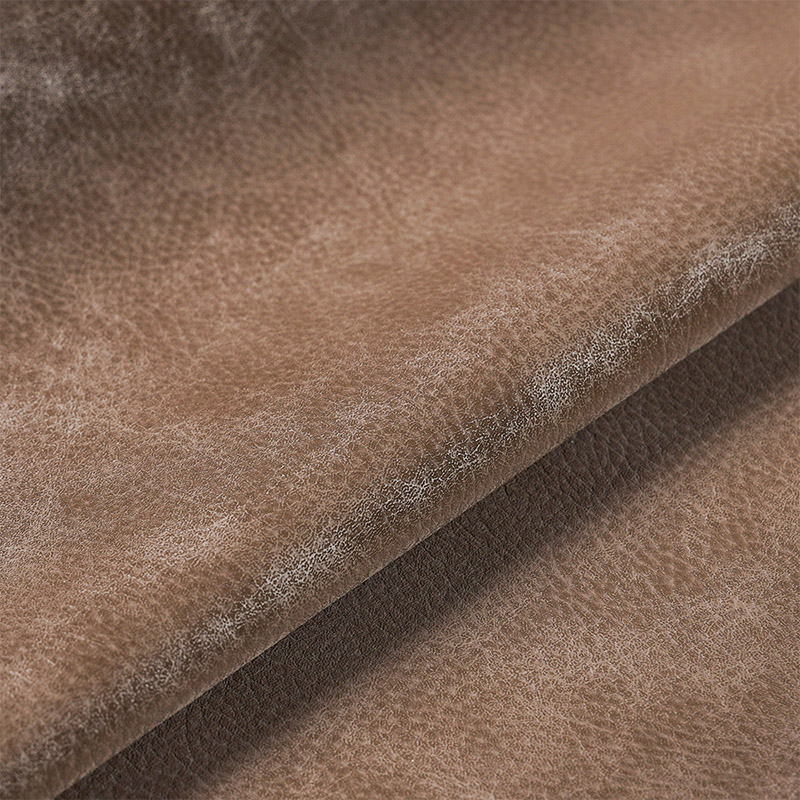
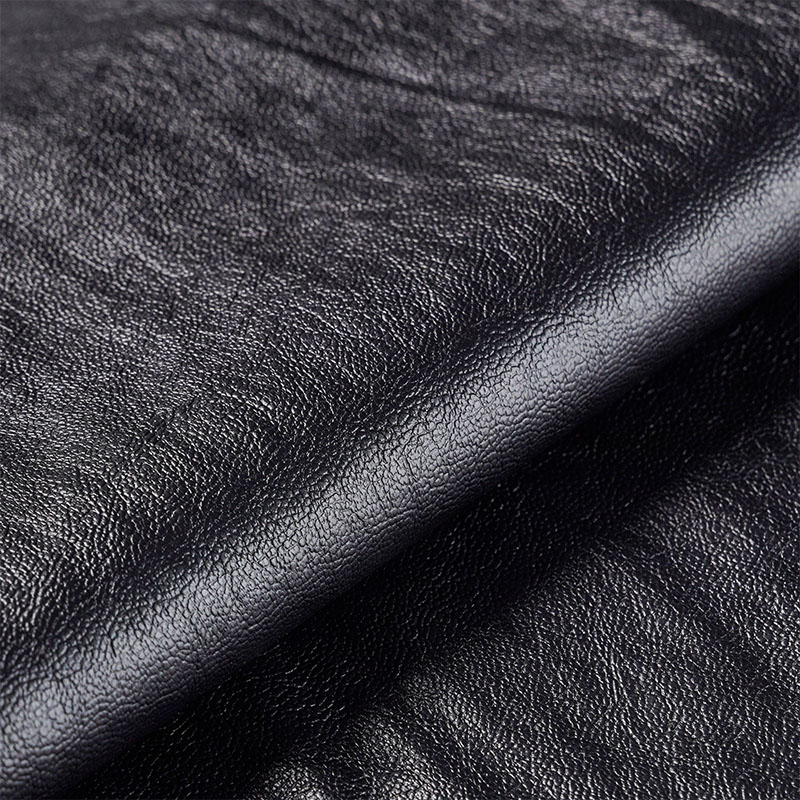
The global materials industry is undergoing a significant transformation as sustainability regulations, brand ESG commitments, and consumer awareness continue to reshape sourcing decisions. Across automotive interiors, furniture manufacturing, fashion accessories, and consumer electronics, buyers are increasingly seeking environmentally responsible surface materials that still meet strict performance requirements. In this context, Biobased Leatherette Supplier solutions are gaining strong attention from procurement teams looking to reduce carbon footprint while maintaining durability, aesthetics, and cost efficiency.
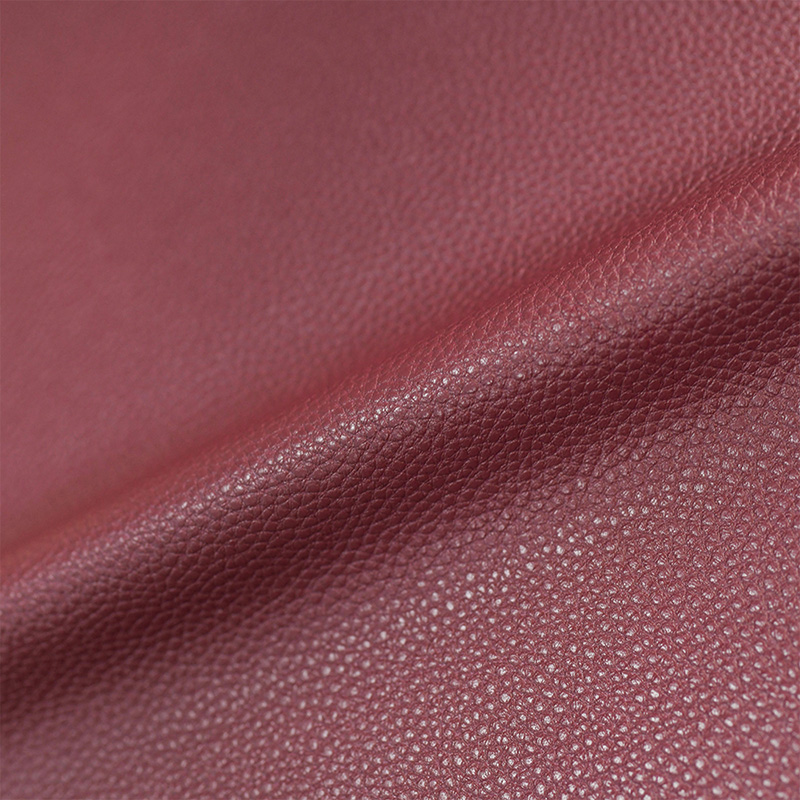
Recent search trends show that buyers are actively comparing plant-based alternatives, recyclability performance, and long-term material stability under real-world usage conditions.
Why Is Sustainability Becoming a Core Procurement Requirement?
Sustainability is no longer a marketing advantage—it is becoming a mandatory requirement in many global supply chains. Large brands are setting strict targets for material sourcing and environmental impact reduction.
Buyers are focusing on:
- Reduced carbon footprint in raw material production
- Compliance with international environmental standards
- Elimination of animal-derived materials in product lines
- Transparent supply chain documentation
These requirements are pushing manufacturers to adopt plant-based and bio-derived material solutions.
How Is Plant-Based Technology Improving Leatherette Performance?
Modern plant-based materials are no longer limited in performance compared to traditional synthetic leather. Engineering improvements have significantly enhanced durability and usability.
Key performance developments include:
- Improved tensile strength and flexibility
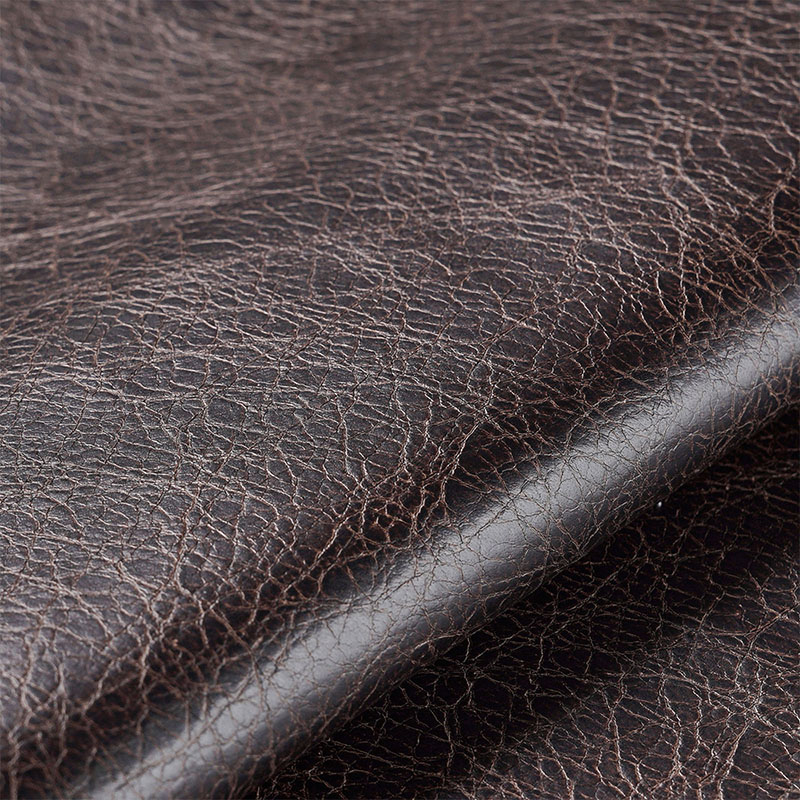
- Enhanced surface texture realism for premium appearance
- Better resistance to cracking under temperature changes
- Stable performance under long-term usage conditions
These improvements make biobased alternatives increasingly viable for industrial applications.
Why Are Automotive and Furniture Industries Driving Demand?
Two of the largest application sectors—automotive interiors and furniture manufacturing—are actively shifting toward sustainable surface materials due to regulatory and consumer pressure.
Industry priorities include:
- Low-VOC and eco-friendly interior materials
- Consistent texture for large-scale production
- Resistance to wear, UV exposure, and daily friction
- Compatibility with automated cutting and sewing processes
These industries are key drivers accelerating adoption of plant-based leatherette materials.
How Is Brand Positioning Influencing Material Selection?
For many global brands, material choice is directly linked to brand identity. Consumers increasingly associate sustainable materials with premium value and responsible manufacturing.
Procurement teams are prioritizing:
- Materials that support eco-friendly branding narratives
- Consistent visual aesthetics across product lines
- Customizable textures and color options
- Certification support for sustainability claims
This makes material sourcing a strategic branding decision, not just a technical one.
Why Is Production Efficiency Still a Key Concern?
While sustainability is a major driver, manufacturers must still maintain production efficiency and cost control. New materials must integrate smoothly into existing production systems.
Key operational expectations include:
- Compatibility with standard manufacturing equipment
- Stable performance during mass production
- Reduced material waste during processing
- Predictable supply consistency for large orders
Balancing sustainability and efficiency is a major focus in current material development.
Manufacturer Insight: What Are Global Buyers Looking For?
As a manufacturer in eco-material solutions, we observe that buyers are becoming more technically informed and performance-driven. They are no longer evaluating materials based only on environmental claims but also on real production behavior.
Common OEM requirements include:
- Custom formulation for specific applications (automotive, furniture, fashion)
- Stable batch-to-batch quality consistency
- Scalable production capacity for global supply chains
- Verified environmental compliance documentation
This reflects the growing maturity of the sustainable materials market.
Is Sustainable Material Innovation Becoming the New Industry Standard?
As global industries continue to align with sustainability goals, material innovation is becoming a key factor in product development and supply chain strategy. Performance, aesthetics, and environmental responsibility are now expected to work together rather than separately.
In this evolving market, partnering with a reliable Plant-Based Vegan Leatherette provider helps manufacturers achieve sustainable transformation while maintaining product quality, production efficiency, and global competitiveness.