 English
 中文简体
中文简体 日本語
日本語 Español
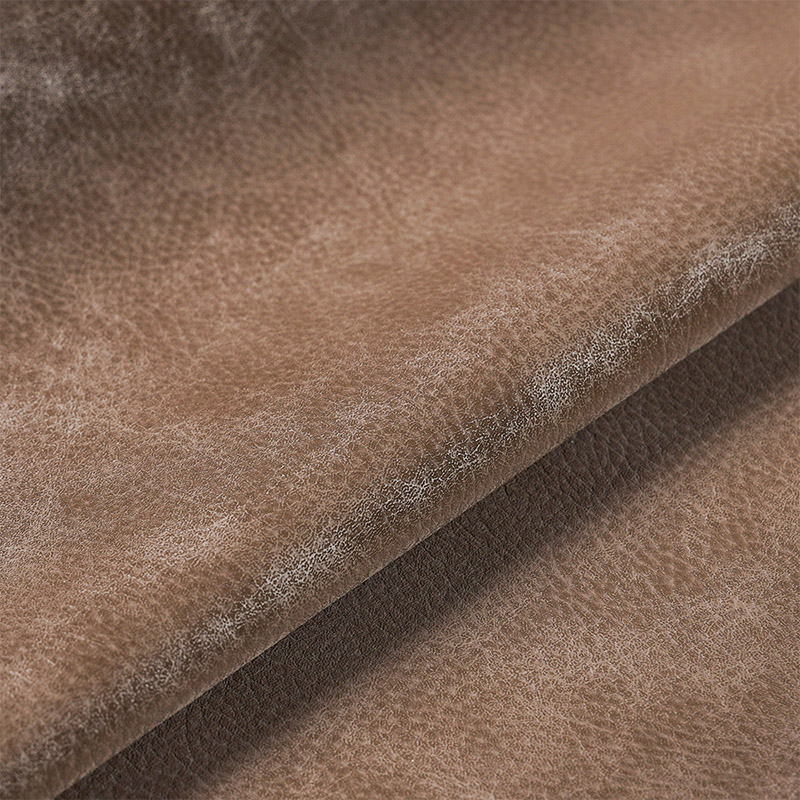
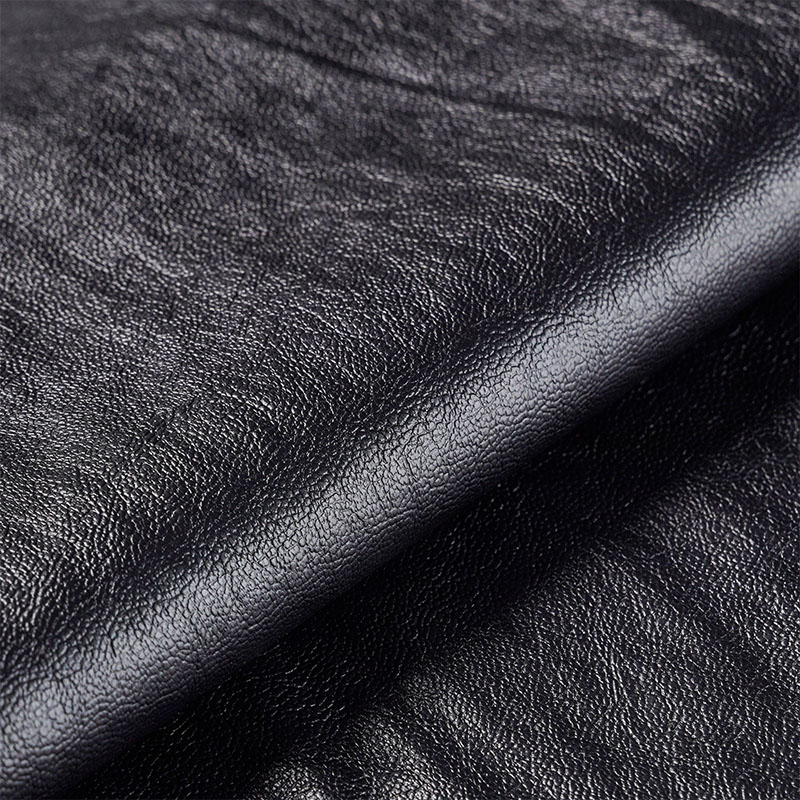
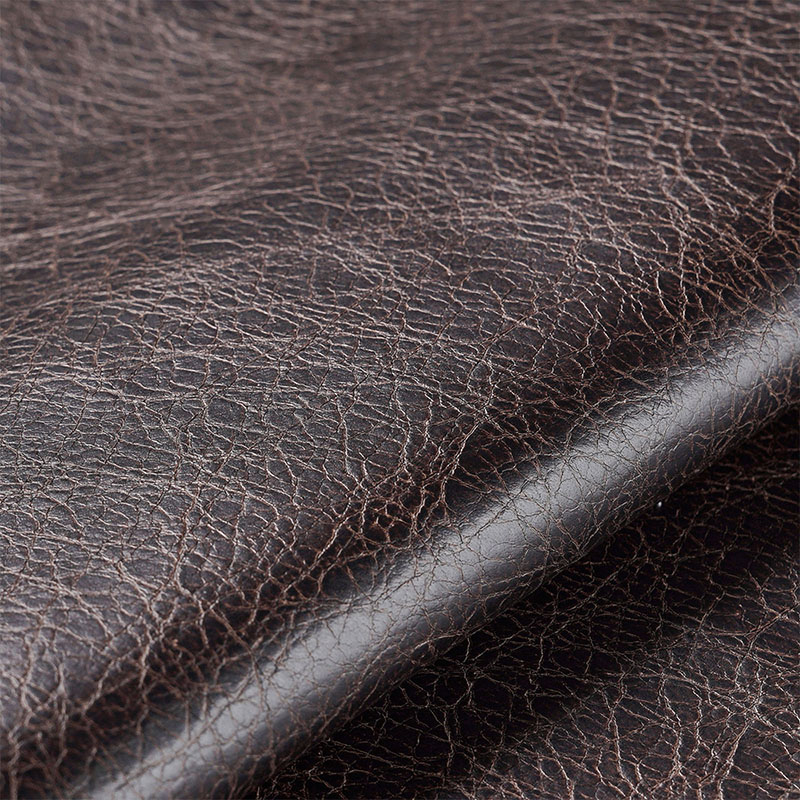
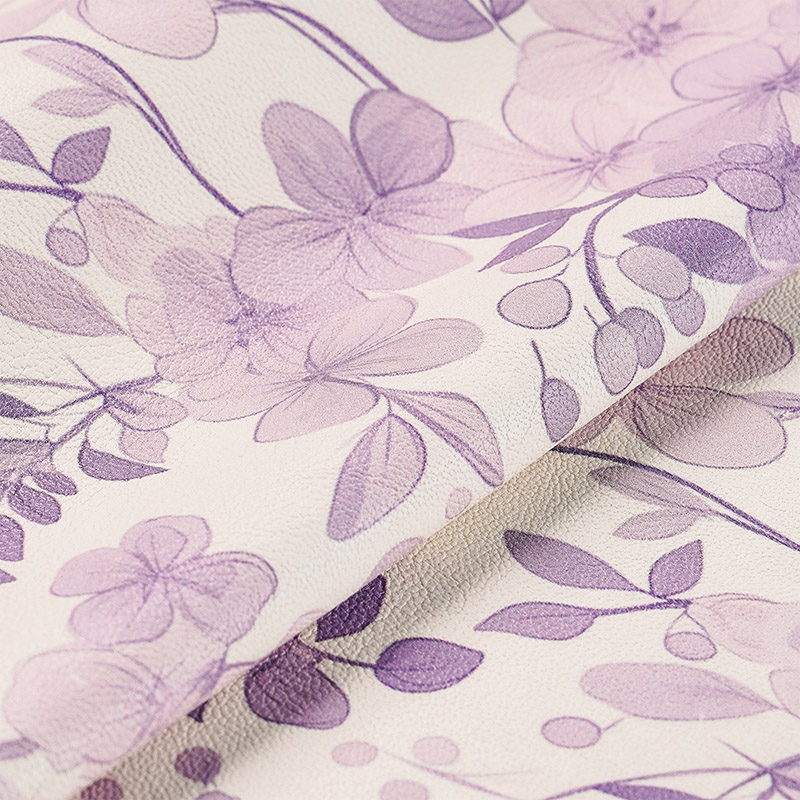
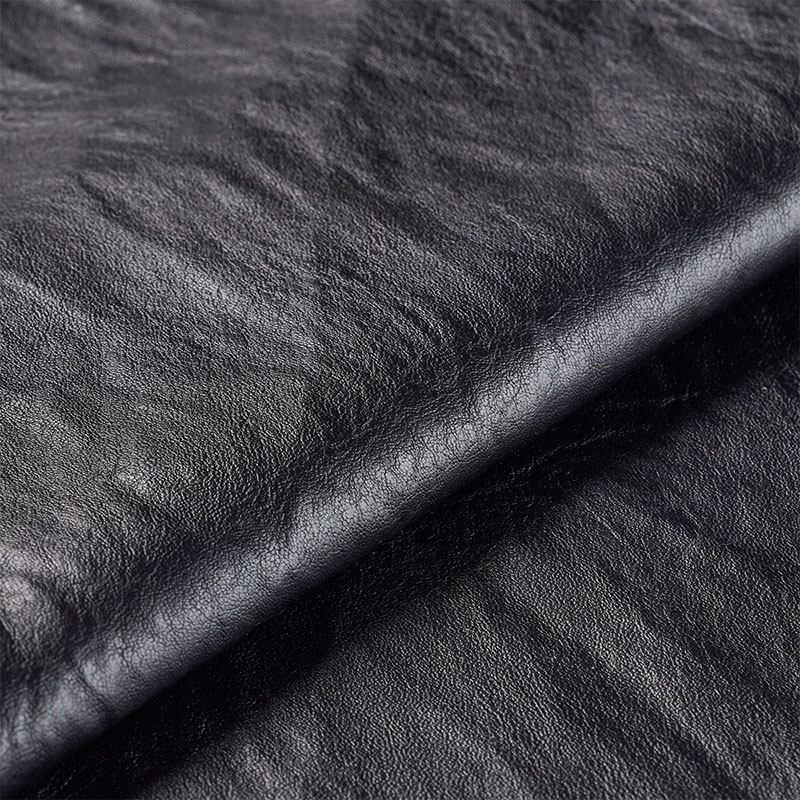
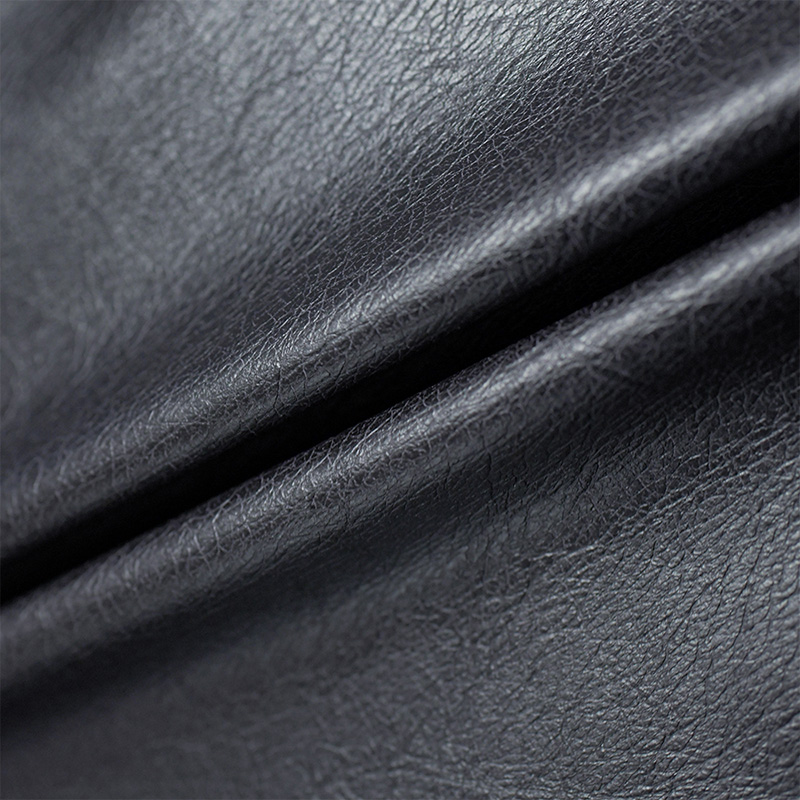
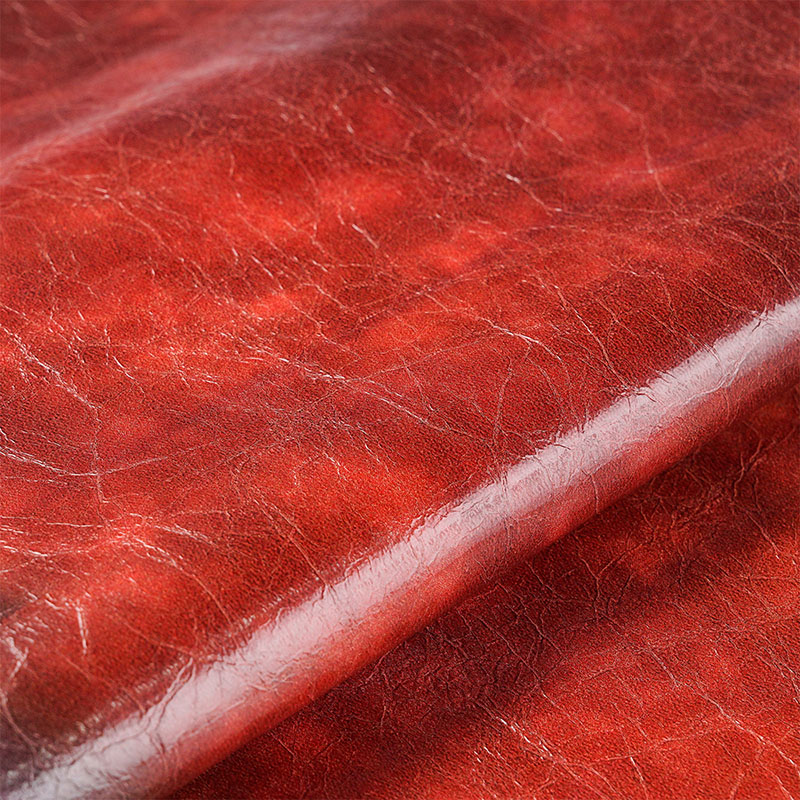
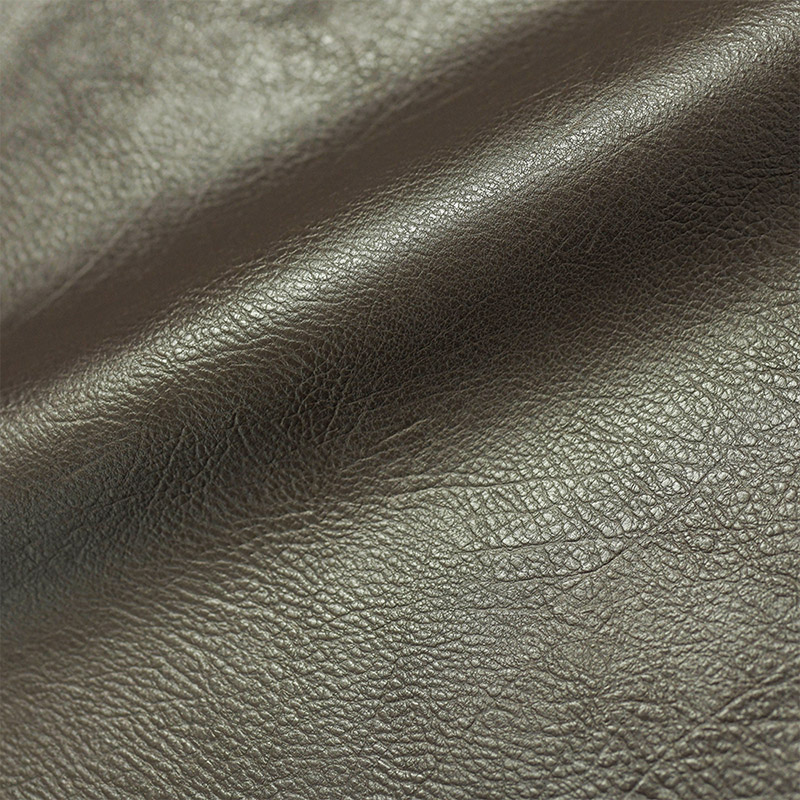
Consumer preferences are changing rapidly as brands seek materials that combine premium aesthetics with practical performance and responsible manufacturing. Today, procurement teams are actively evaluating High-Performance Synthetic Leatherette Materials for furniture, automotive interiors, fashion accessories, and commercial products. At the same time, DMF-free leatherette has become an increasingly popular choice among manufacturers aiming to meet higher environmental standards without compromising product quality. Rather than asking whether synthetic leather can imitate genuine leather, buyers are now asking whether it can outperform it in everyday applications.
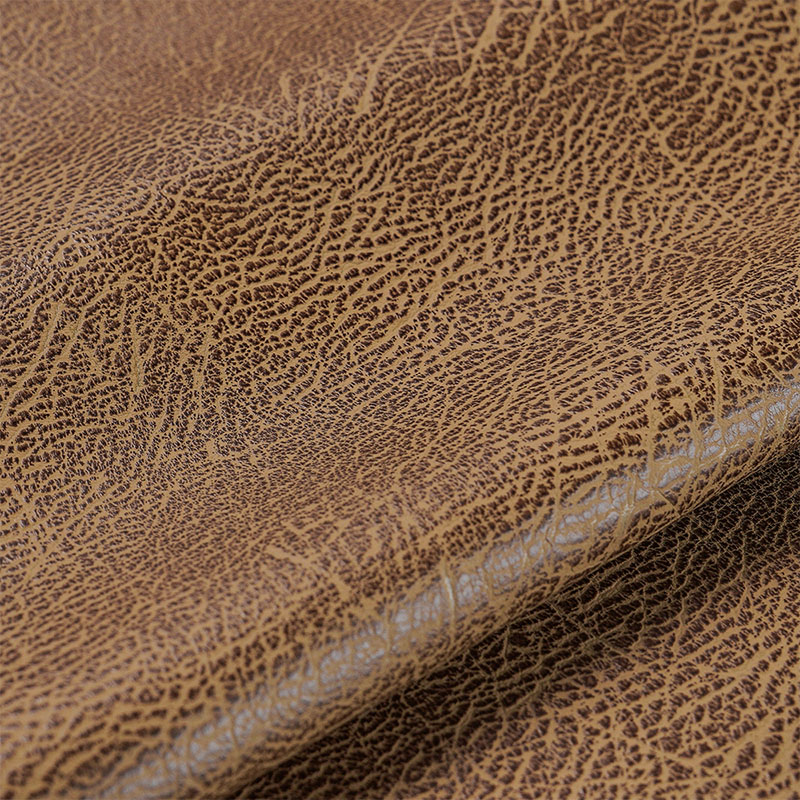
Modern Consumers Expect More Than Appearance
Luxury is no longer defined solely by natural materials. End users expect products that not only look refined but also withstand daily use with minimal maintenance.
For product designers, synthetic leather offers greater flexibility in texture, color consistency, and surface finishes. This allows brands to create collections that remain visually consistent across large production runs while supporting diverse design concepts.
As consumer lifestyles become more dynamic, easy-care materials continue to gain wider acceptance in both residential and commercial environments.
Durability Is Becoming a Key Purchasing Standard
Professional buyers increasingly evaluate materials based on long-term performance rather than initial appearance alone.
During supplier selection, purchasing teams commonly review:
- Abrasion resistance for frequent use
- Surface durability against scratches
- Color stability under daily exposure
- Flexibility after repeated bending
- Easy cleaning and maintenance
These characteristics help reduce product returns while improving customer satisfaction throughout the product lifecycle.
Automotive and Furniture Industries Continue to Drive Demand
The automotive and furniture sectors remain two of the fastest-growing markets for advanced synthetic leather.
Vehicle manufacturers require materials that deliver a comfortable touch, attractive appearance, and stable performance under changing temperatures. Furniture brands are also seeking upholstery materials that combine visual appeal with practical durability for homes, offices, hotels, and public spaces.
These industries increasingly value suppliers capable of offering consistent production quality together with flexible customization options.
Sustainable Materials Support Long-Term Brand Development
Sustainability has become an important factor influencing purchasing decisions worldwide. Many global brands now incorporate environmental considerations into product development strategies from the earliest design stages.
Material suppliers are therefore expected to provide products that help customers align with evolving environmental expectations while maintaining reliable product performance.
Responsible manufacturing, controlled production processes, and material transparency have become valuable competitive advantages for both suppliers and their customers.
Customization Creates More Opportunities for Brands
Every brand has its own market positioning, making customization increasingly important throughout the supply chain.
Manufacturers now frequently provide customized services including:
- Embossed grain and texture development
- Color matching for brand collections
- Multiple thickness specifications
- Various backing material options
- Surface finishes designed for specific applications
These flexible manufacturing capabilities allow brands to develop differentiated products while maintaining efficient production schedules.
Why Experienced Manufacturers Deliver Better Results
Advanced production equipment is only one part of the manufacturing process. Equally important are process control, engineering expertise, and quality consistency.
Experienced manufacturers understand how different applications influence material selection and production methods. By working closely with customers throughout product development, manufacturers can recommend suitable structures, finishes, and specifications that support both product performance and production efficiency.
This collaborative approach helps reduce development risks while improving consistency from sampling to mass production.
Material Innovation Will Continue to Shape Premium Products
As product development continues to balance aesthetics, functionality, and sustainability, synthetic leather is becoming an increasingly important material across multiple industries. Buyers are focusing less on traditional material categories and more on overall performance, design flexibility, and long-term value.
For brands seeking dependable, visually appealing, and environmentally conscious materials, High-Performance Synthetic Leatherette Materials offer an increasingly attractive solution. Choosing DMF-free leatherette from a knowledgeable manufacturing partner allows businesses to respond confidently to changing market expectations while building products designed for today's competitive global marketplace.