 English
 中文简体
中文简体 日本語
日本語 Español
The compliance requirements for global supply chains keep escalating. Downstream brands in apparel, luggage, automotive interiors, home furnishings and other sectors are imposing increasingly stringent demands on material supply chains in terms of transparency, traceability and risk control. The artificial leather industry features multi-tiered supply chains, diverse raw materials and lengthy production processes, making it difficult for a single traceability method to achieve end-to-end full-chain visibility. ZAKER adopts a dual traceability system: in-house self-built traceability and independent third-party traceability.
In-House Self-Built Traceability System
ZAKER's in-house self-built traceability system strictly complies with the company's quality management system requirements. It covers the entire business chain from incoming chemical raw materials, manufacturing, finished goods warehousing and delivery, through to customer complaint handling, enabling bidirectional traceability capability:
- Reverse traceability: Relying on finished product batch information, it can trace back to production processes, material formulations and upstream raw material sources
- Forward traceability: Starting from raw material or base material batches, it tracks finished goods produced from the materials and the flow of corresponding customer orders
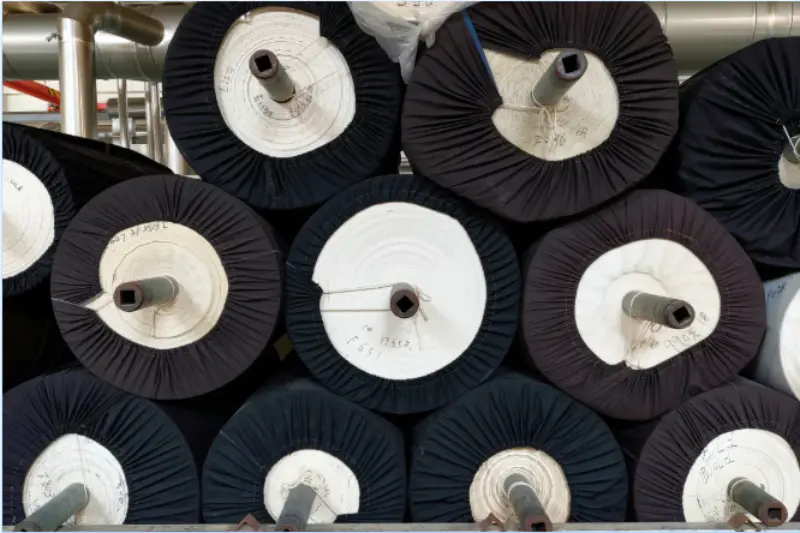
Upon arrival of raw materials and base materials, supplier information, material specifications and accompanying documents shall be verified and registered before entering the inspection process. All materials can only be put into production after passing inspection and release. A special control mechanism is implemented for materials with delayed physical and chemical test reports; no production is allowed prior to release approval.
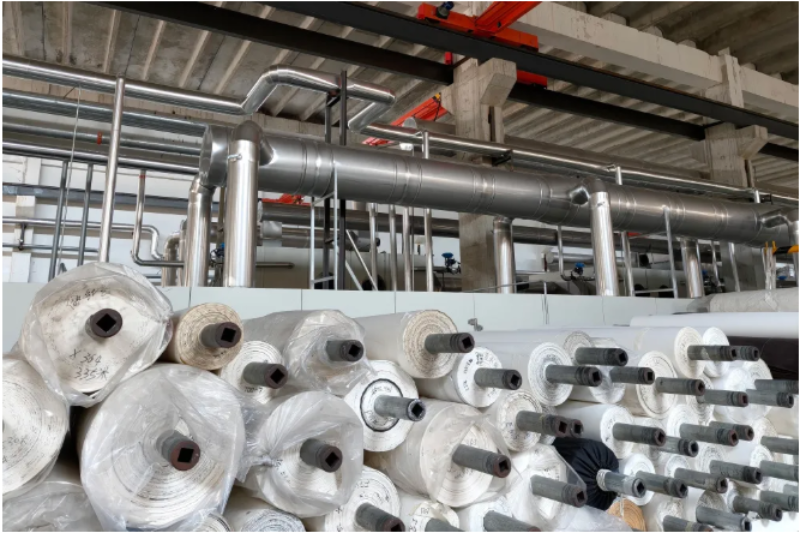
Warehousing adopts zoned segregation management. Materials of different statuses such as pending inspection, qualified, unqualified and expired are separately controlled. Physical marking and ledger management are applied to avoid risks of material mixing and misapplication. FIFO is enforced to meet the management requirements for material validity periods and re-inspection.
In the production phase, order, formula and raw material batch information are fully correlated. A unique identifier is assigned to each batch of production materials. Segregation control is adopted for materials with different formulas, colors and batches. Complete records are maintained for material feeding, consumption and abnormalities throughout production.
In the coating and substrate processing stages, information of substrates and materials put into production is linked and registered. For complex production scenarios such as substrate splitting and splicing usage, material consumption is fully recorded to ensure each roll of finished product can be matched to the actual source of input substrates.
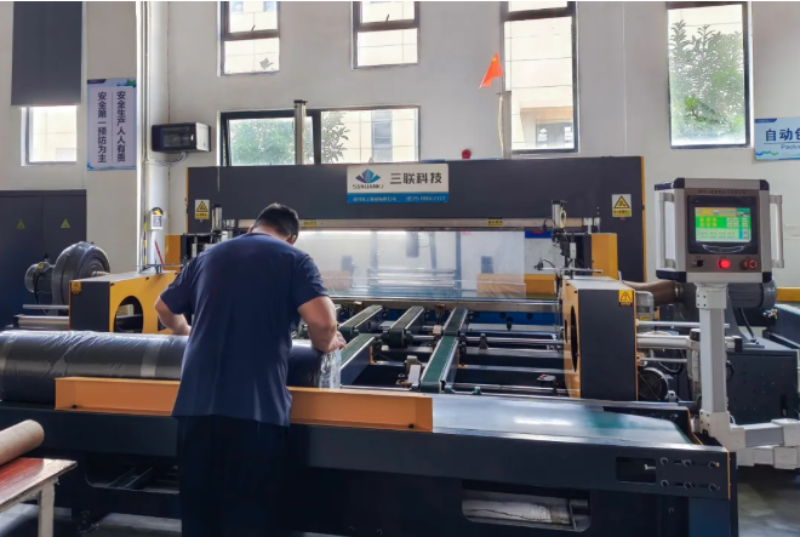
A dedicated batch identifier is generated upon completion of finished product manufacturing, serving as the primary traceability entry for customers. Batch mapping relationships are established during subsequent slitting processing. Batch information is printed on the outer packaging of finished goods. When customers report quality issues, the full-chain verification can be initiated using the product batch number.
Finished goods warehousing, outbound and delivery are all linked with product batch and order information. Traceability verification can be triggered in case of incoming material abnormalities, production quality fluctuations, customer complaints or customer audit requests.
Special management and record retention are implemented for non-conforming, quarantined and specially released products. The circulation of problematic materials is strictly controlled to prevent unauthorized release.
Independent Third-Party Traceability System
For external scenarios such as customer compliance audits and traceability of export orders, ZAKER integrates with an independent third-party traceability system.
Different from in-house ledger management, third-party traceability adopts standards formulated, verification performed and information archived and disclosed by an independent institution. It addresses industry pain points including limited credibility of internal systems and difficulties in penetrating multi-tier upstream supply chains.
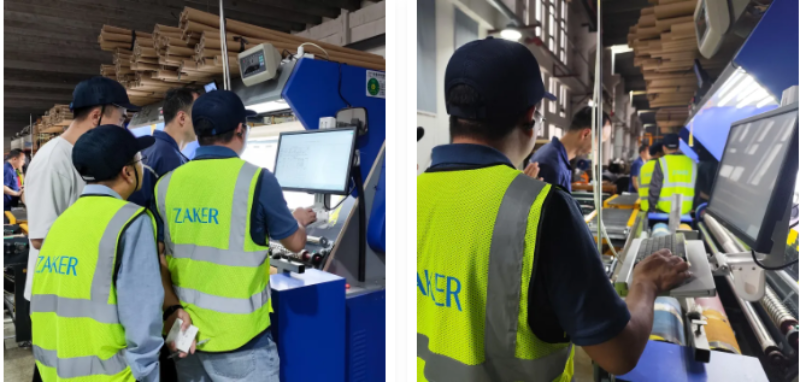
Upstream Supply Chain Access: Penetrating Multi-Tier Suppliers
The third-party traceability platform sets independent access rules. All upstream suppliers of raw and auxiliary materials need to complete platform registration and filing, and submit traceability documents such as source batch certificates and original factory certifications. The platform independently verifies the validity of documents. Source materials failing verification cannot enter the traceability chain, making up for the weakness of insufficient restraint on upstream suppliers under the self-built model.
Source Coding and On-Chain Information Notarization
Qualified upstream raw materials are assigned unique traceability codes by the platform. Data including raw material origin, batch, certifications and test reports are archived on the platform to lock the source identity of materials.
Integration With Factory Internal System Data
ZAKER leverages the factory's established internal traceability capabilities to synchronize key information such as production records, material usage, finished product batches, test reports and compliance certificates to the third-party platform. The third-party traceability does not replace the factory's existing processes. Instead, it uses authentic internal control data as the data source to align internal and external information.
Third-Party Independent Verification: Generating Credible Credentials
The platform combines system comparison and manual operations to verify batch logic and document consistency between upstream and downstream. After verification, evidence is preserved, and traceable credentials with audit validity are generated.
Coding of Finished Products Prior to Delivery
A traceability query code is generated upon finished product outbound. Brands and external auditors may directly verify information including raw material origins, production chains and compliance certificates to realize transparent delivery.
Dual Internal-External Systems Operate in Synergy
Based on the official Product Identification and Traceability Management Procedure of the Company, this is not an either-or choice. Instead, we adopt a collaborative model with in-house self-built control as the foundation and third-party traceability for external credibility endorsement. The two systems perform their respective functions and complement each other.
The in-house system serves as the internal foundation: Leveraging the quality management system, it enables bidirectional traceability from raw and auxiliary materials to finished product shipment, controls the entire production process, and supports internal quality deviation handling, customer complaint response and internal audits. It also forms the data basis for all traceability activities. Without controlled internal processes, third-party traceability would lose reliable data sources.
The third-party system acts as the external credibility layer: For orders subject to rigorous brand audits, export compliance, recycled material certification, ESG disclosure and other requirements, based on complete internal records, we connect to the third-party platform for independent verification and evidence preservation, and issue externally credible credentials to address the pain point of insufficient credibility of enterprise self-declaration.

Supply chain traceability is not merely printing QR codes; it represents a complete systematic management capability. Robust supply chain traceability also serves as the data foundation for conducting LCA life cycle assessment and preparing EPD Environmental Product Declarations.
Managing physical goods and batch flows internally while supporting the implementation of sustainability initiatives such as ESG and LCA externally constitutes the core value of our dual-system traceability capability.