 English
 中文简体
中文简体 日本語
日本語 Español
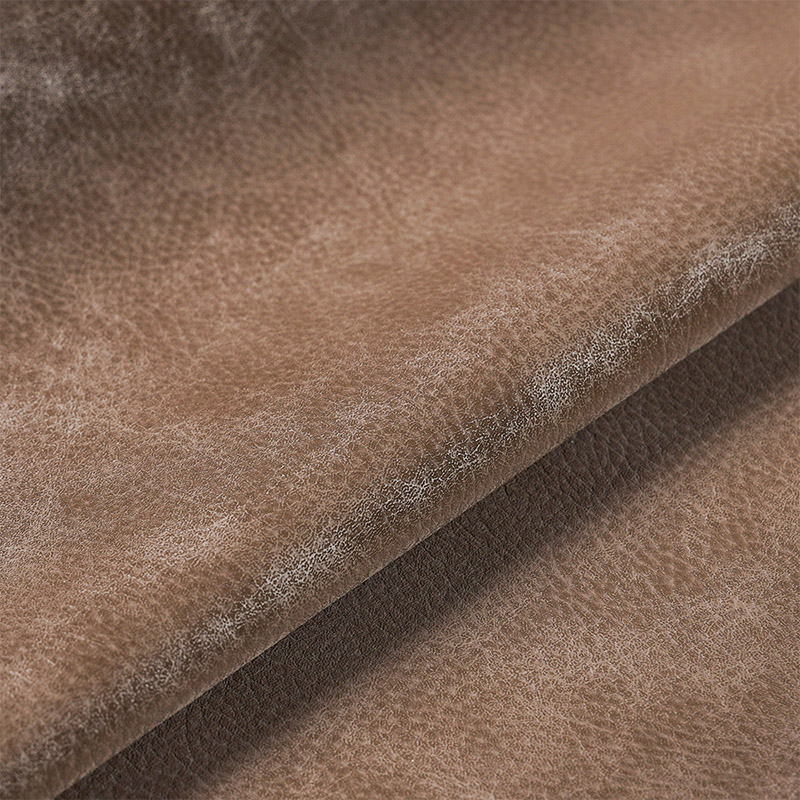
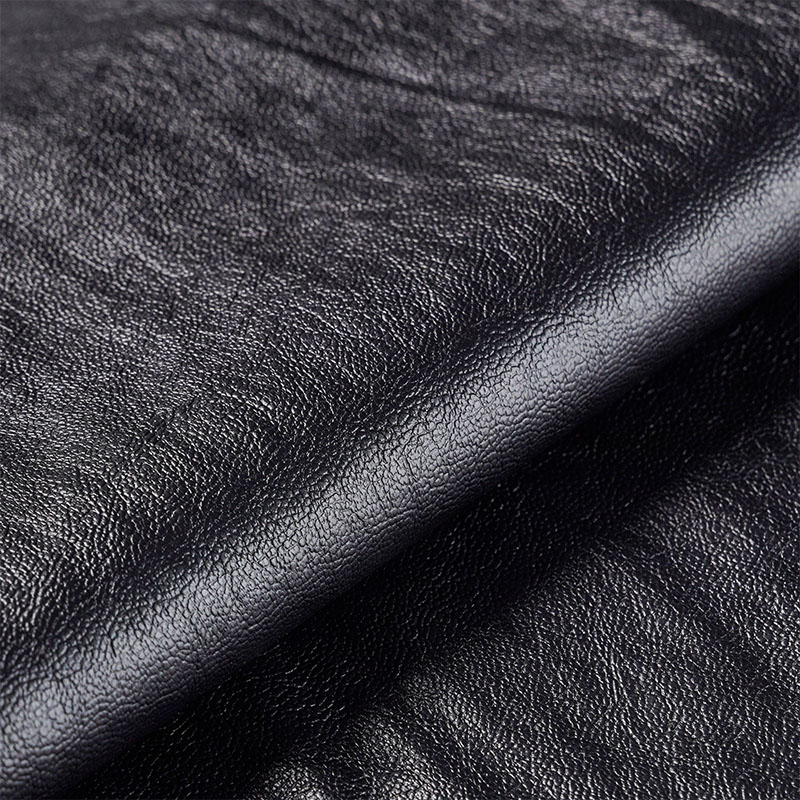
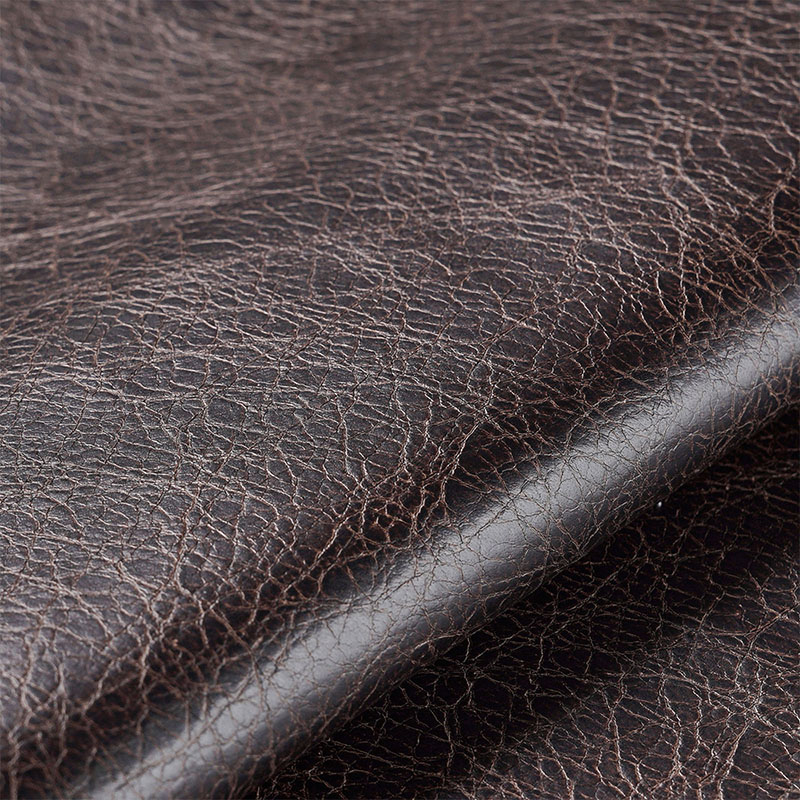
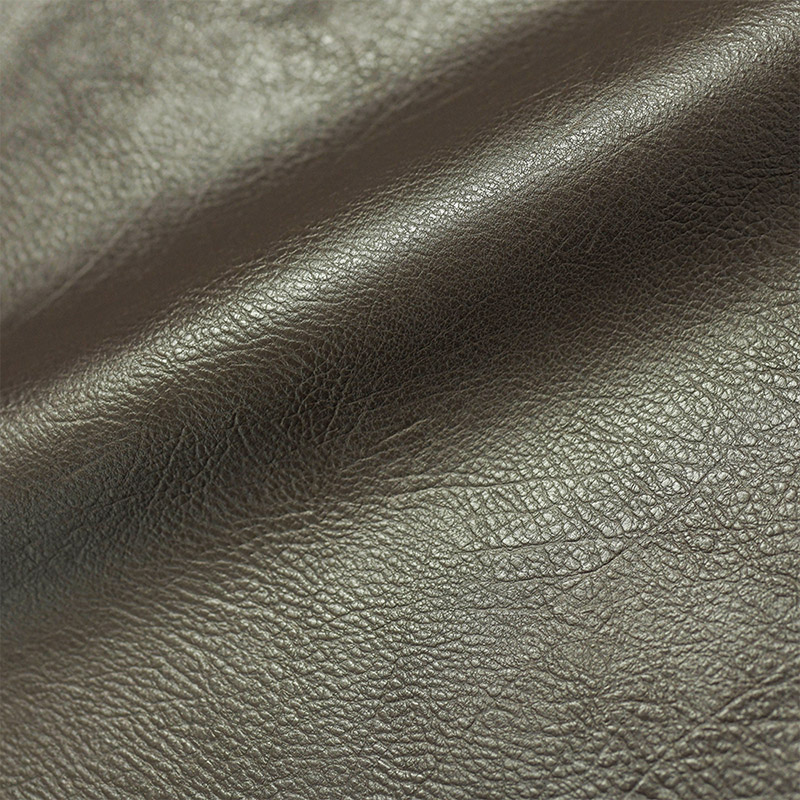
For overseas buyers, choosing a synthetic leather material is rarely just a question of appearance. The material may need to withstand repeated flexing, abrasion, moisture, handling, and long-term use while also fitting changing environmental requirements. This is why High-Performance Synthetic Leatherette Materials are attracting greater attention across furniture, footwear, automotive interiors, bags, and consumer products. At the same time, manufacturers are exploring water-based polyurethane systems that can reduce reliance on solvent-based production. The challenge is finding a material solution that balances performance, appearance, processing stability, and responsible manufacturing.
Why Is Performance Still the First Procurement Concern?
Sustainability may influence a purchasing decision, but the finished material still needs to perform in its intended application. A synthetic leatherette used for upholstery, for example, may face repeated friction and flexing, while an automotive interior material may require resistance to temperature changes, staining, and daily wear.
A practical specification should therefore consider the complete use environment rather than focusing on one environmental characteristic. Buyers may need to evaluate:
- Abrasion and flex resistance
- Surface appearance and hand feel
- Color consistency
- Hydrolysis resistance
- Tensile and tear performance
- Breathability or moisture permeability where required
This broader evaluation helps prevent a material from being selected based only on its initial appearance.
What Makes Water-Based PU Different?
Water-based polyurethane uses water as the dispersion medium rather than relying on conventional solvent-based polyurethane systems. This manufacturing direction has received increasing technical attention because it can support lower-emission production while still allowing manufacturers to engineer the coating structure and final material properties. Recent research has also explored waterborne polyurethane systems for synthetic leather with combinations of softness, resilience, and moisture permeability.
However, switching to a water-based system is not simply a matter of replacing one ingredient. Resin formulation, coating behavior, drying conditions, substrate selection, and surface treatment all influence the finished leatherette.
How Can Manufacturers Maintain a Premium Surface?
For many buyers, tactile quality is as important as technical specifications. A material can meet basic mechanical requirements but still be unsuitable if its surface looks artificial or feels inconsistent.
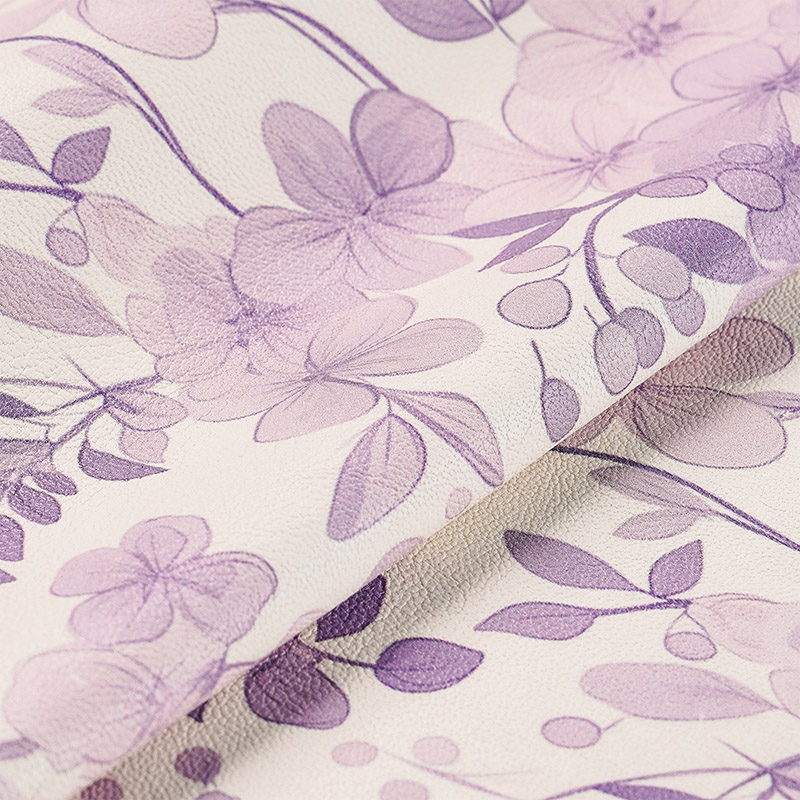
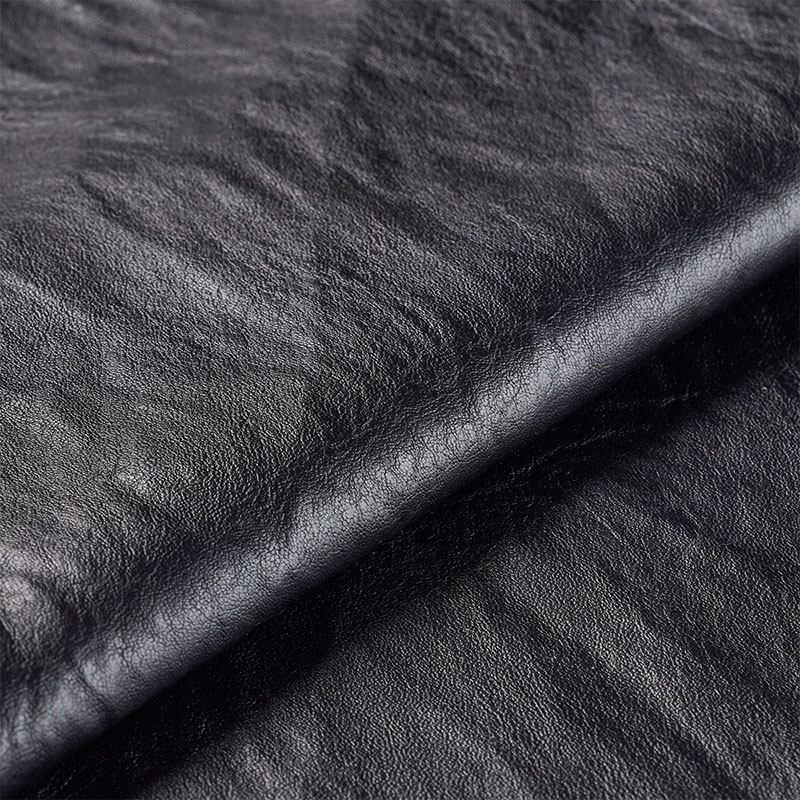
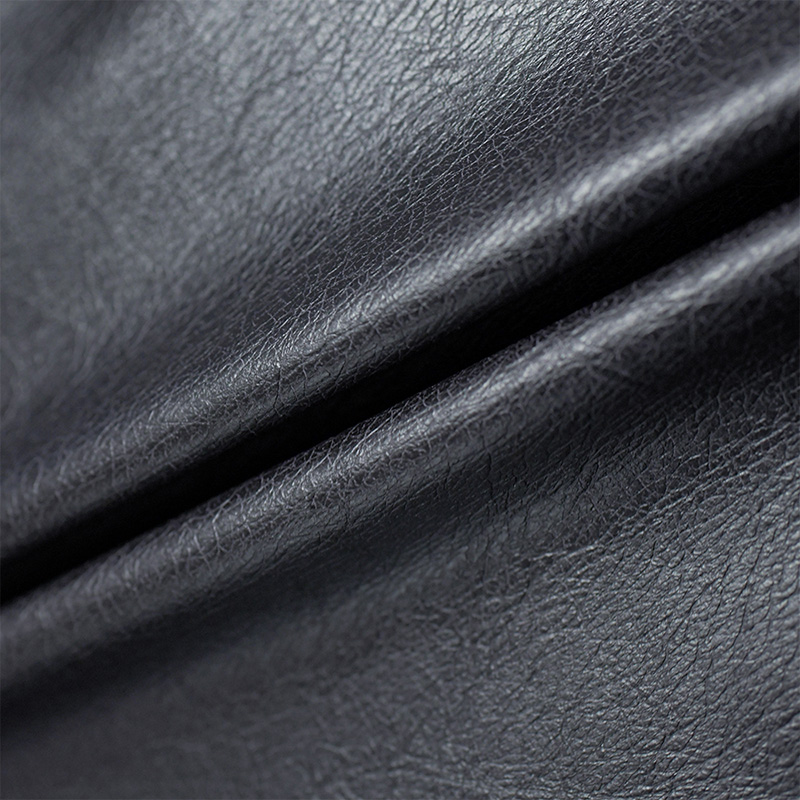
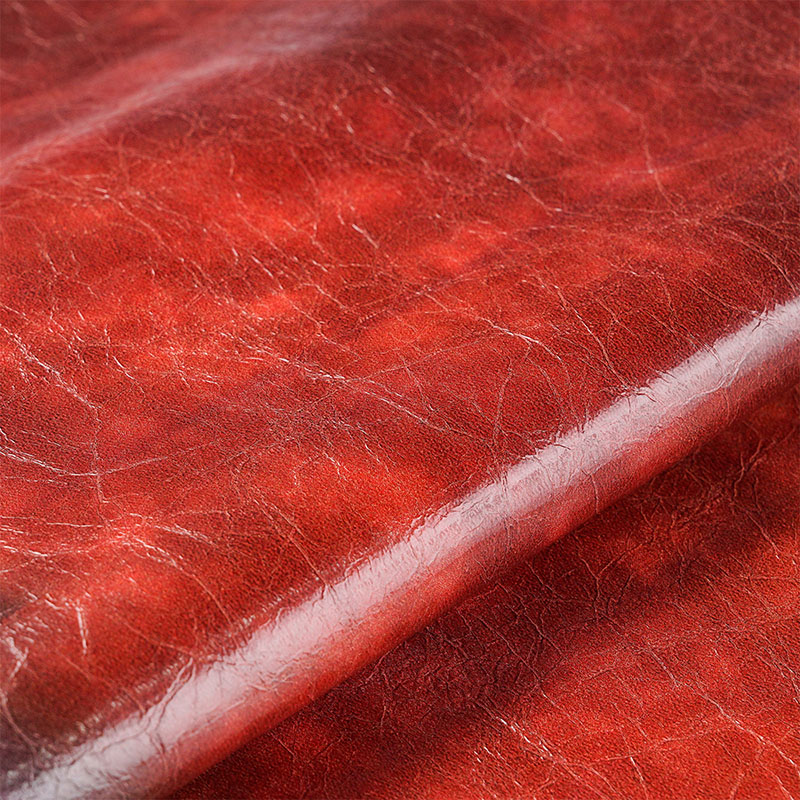
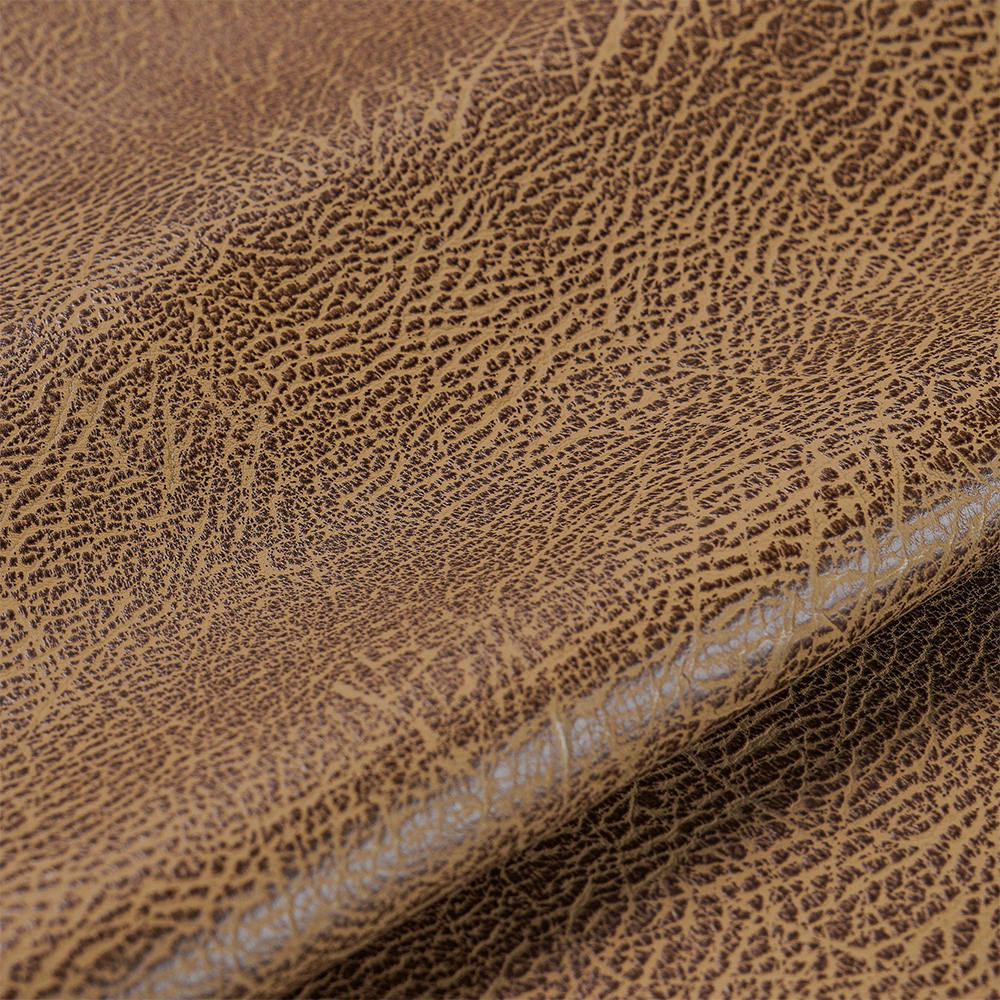
Manufacturers can approach this challenge through controlled formulation and surface development. The coating thickness, embossing pattern, substrate structure, and finishing treatment need to work together to create the desired grain, softness, gloss level, and touch.
This is particularly important for premium furniture, footwear, bags, and interior applications where customers interact directly with the material.
Does Water-Based Mean Lower Durability?
This is a common concern during material qualification. In reality, durability depends on the complete formulation and manufacturing process rather than simply whether a system is water-based.
Recent material research has focused on improving mechanical and flex performance in waterborne and bio-based polyurethane systems, showing that sustainability-oriented formulations can also be engineered around demanding physical requirements.
For buyers, the better question is whether the supplier can provide application-specific performance data and maintain consistent production quality across batches.
How Should Buyers Evaluate a Supplier?
Material samples are useful, but they should not be the only basis for supplier qualification. Buyers developing long-term product lines need confidence that the selected material can be reproduced consistently when production moves from sampling to larger orders.
A capable supplier should be prepared to discuss:
- Raw material and formulation control
- Backing fabric selection
- Surface finishing options
- Thickness and width requirements
- Performance testing
- Batch consistency
- Custom color and texture development
These details can reveal much more about manufacturing capability than a product catalog alone.
Can One Material Serve Different Applications?
Not necessarily. A leatherette developed for decorative furniture may have different requirements from material intended for footwear, automotive interiors, luggage, or electronic accessories.
Rather than forcing one specification across every application, manufacturers can adjust the material structure according to the buyer's priorities. Surface feel, flexibility, abrasion resistance, moisture behavior, and appearance can all be considered during development.
This application-based approach gives buyers more flexibility when developing customized synthetic leatherette products.
What Should Global Buyers Look for Next?
The future of synthetic leatherette is moving beyond the simple choice between conventional and "eco-friendly" materials. Buyers increasingly need products that combine practical durability, consistent appearance, application-specific performance, and a more responsible production approach.
As a Water-Based Leatherette Factory, we focus on connecting formulation development, coating technology, surface finishing, testing, and production control rather than treating sustainability and performance as separate objectives. For overseas brands, furniture manufacturers, footwear companies, automotive suppliers, and product developers, this integrated approach can provide High-Performance Synthetic Leatherette Materials that are designed around real application requirements while supporting the transition toward water-based material manufacturing.