 English
 中文简体
中文简体 日本語
日本語 Español
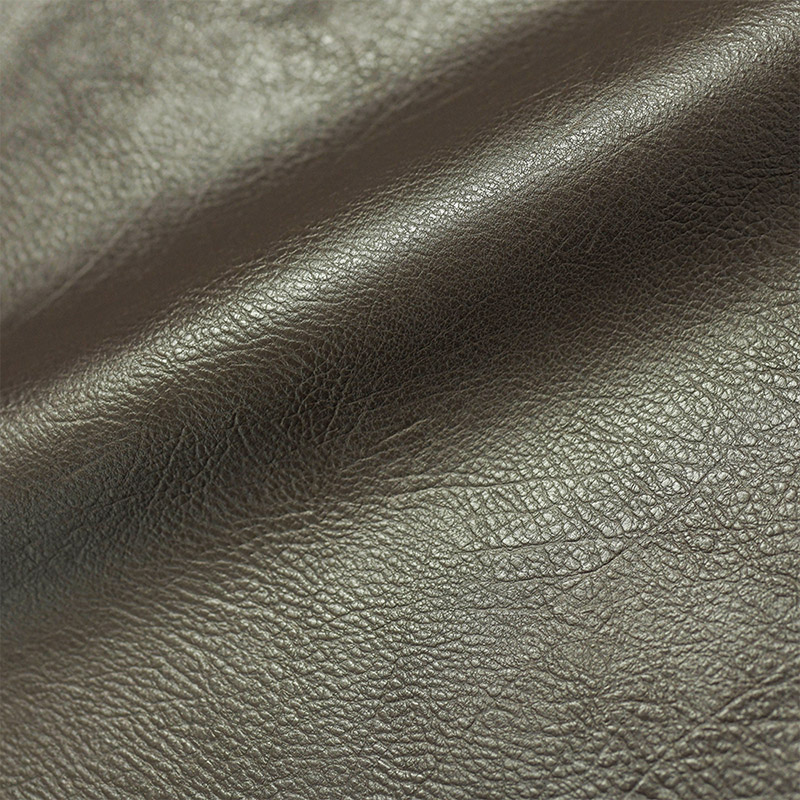
Choosing synthetic leatherette for a new product can become difficult when purchasing teams try to use one material specification across different applications. A surface designed for decorative furniture may not provide the same performance required for footwear or automotive interiors. This is why High-Performance Synthetic Leatherette Materials should be selected according to the working environment, appearance requirements, and expected service conditions of the finished product. For overseas buyers, understanding these differences can make material qualification more efficient and reduce the risk of selecting a surface that looks suitable but performs poorly in actual use.
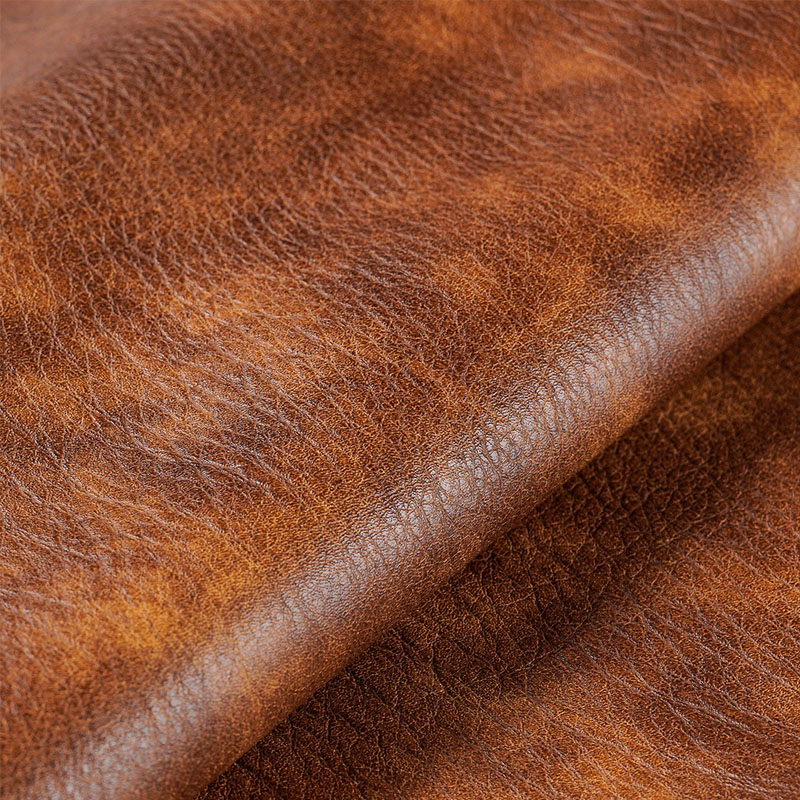
Why Does Application Change Material Requirements?
Synthetic leatherette is used across furniture, footwear, automotive interiors, bags, accessories, and other products, but these applications place different demands on the material. A sofa surface may need good abrasion resistance and easy cleaning, while footwear requires repeated flexing and resistance to handling. Automotive applications can introduce additional requirements related to temperature, surface durability, odor, and long-term appearance.
The right material therefore starts with the end-use environment rather than a general product description.
What Should Furniture Buyers Focus On?
Furniture upholstery is exposed to repeated contact, friction, spills, sunlight, and cleaning. For these applications, buyers often need to balance softness with practical surface durability.
Material selection can involve several considerations:
- Abrasion and flex resistance
- Surface cleanability
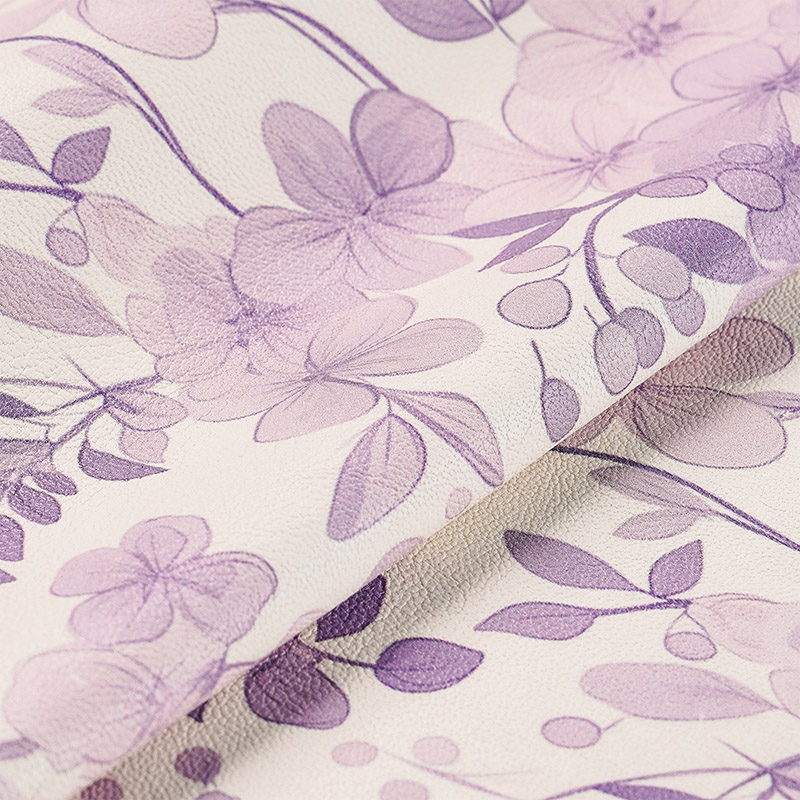
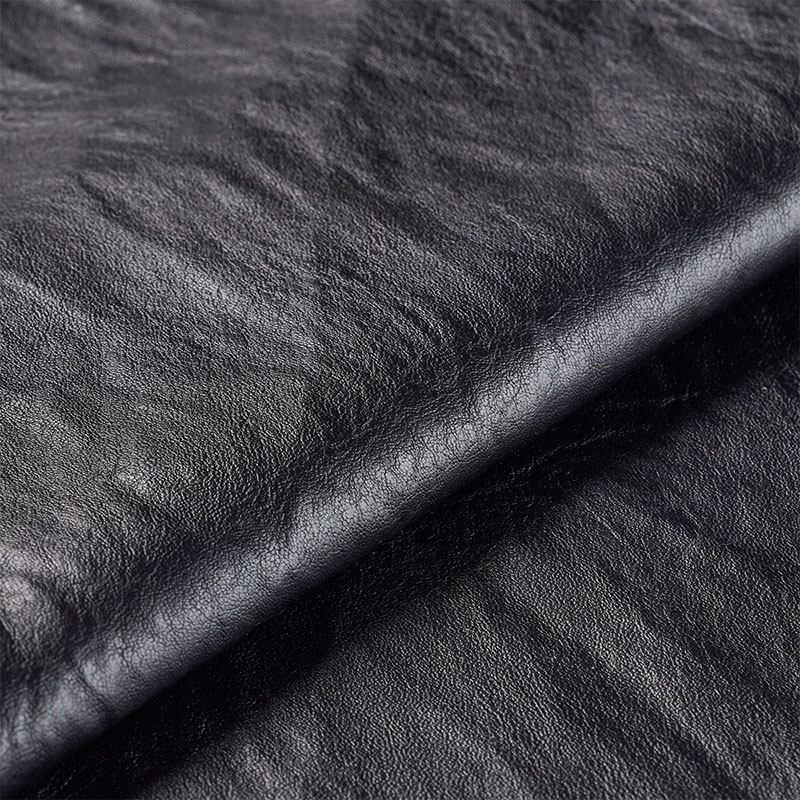
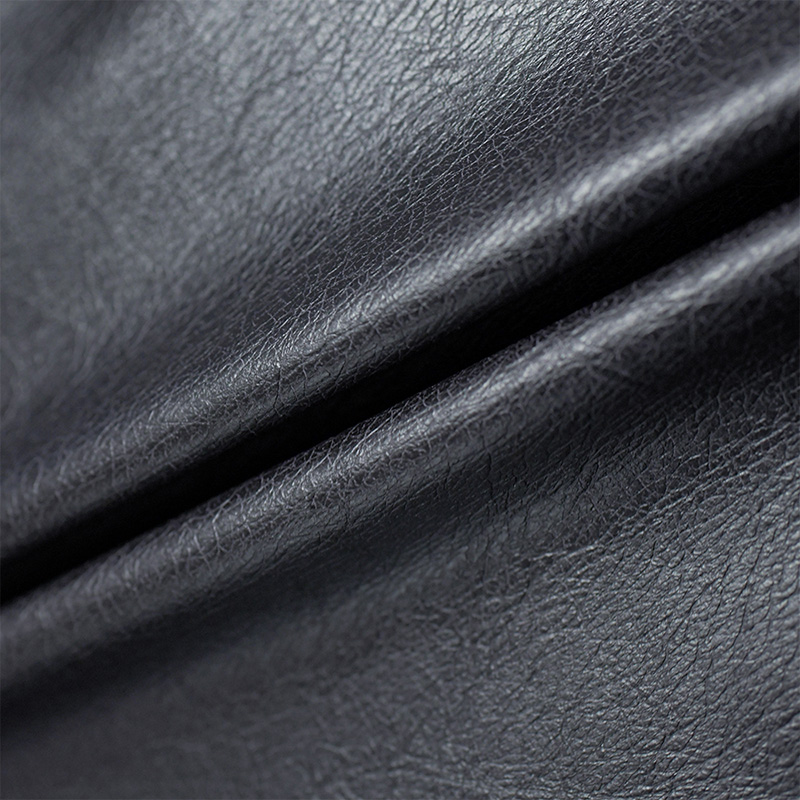
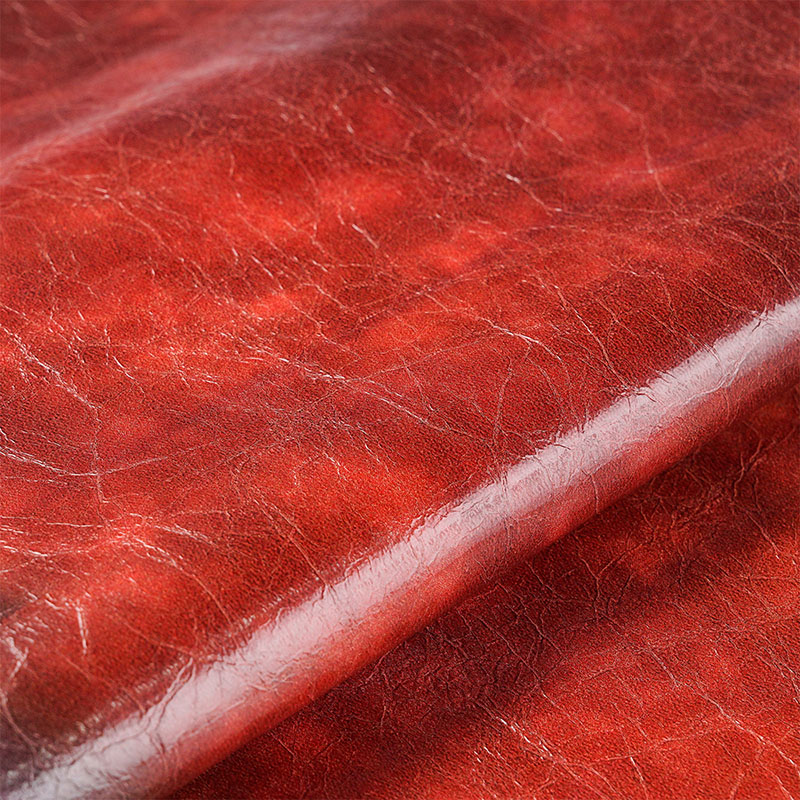
- Color and grain consistency
- Hand feel
- Tear and tensile performance
- Resistance to everyday moisture and stains
The desired balance may differ between residential furniture, commercial seating, hospitality interiors, and other upholstery projects.
Why Is Automotive Leatherette More Demanding?
Automotive interiors place synthetic leatherette in a controlled but demanding environment. Seats, door panels, armrests, and trim surfaces may experience repeated friction, temperature variation, and frequent contact.
For these applications, a material cannot be judged by appearance alone. Surface durability, dimensional stability, color consistency, and tactile performance all become part of the qualification process.
Water-based polyurethane systems are receiving increased attention in automotive synthetic leather because manufacturers are seeking lower-emission material solutions without moving away from the performance characteristics required for interior applications.
Does Footwear Need a Different Material Structure?
Footwear creates another set of challenges because the material is repeatedly bent, folded, stretched, and exposed to moisture and friction. The backing structure and coating need to work together rather than being considered separately.
A suitable synthetic leatherette for footwear may require a different combination of flexibility, surface strength, thickness, softness, and bonding behavior from material used for furniture.
This is where customized formulation and substrate selection can become valuable for buyers developing specific product lines.
How Can Water-Based Technology Support Material Development?
Water-based polyurethane technology is becoming an important development direction for manufacturers seeking lower-emission synthetic leatherette production. However, switching to a water-based system does not automatically guarantee the required finished-material performance.
Formulation, coating thickness, drying conditions, backing fabric, surface treatment, and finishing all influence the final result. Manufacturers therefore need to evaluate the complete material structure rather than treating the water-based coating as an isolated feature.
For buyers, this means supplier qualification should include both environmental considerations and application-specific performance testing.
What Should Buyers Request During Material Qualification?
A sample can show color, texture, and hand feel, but it may not provide enough information for a long-term production decision. Buyers should communicate the intended application and expected service conditions before requesting a final specification.
Useful information can include:
- Final product and application
- Required thickness and width
- Target color and surface texture
- Expected abrasion or flexing conditions
- Cleaning requirements
- Environmental or chemical compliance needs
- Desired production volume and customization requirements
This information gives manufacturers a better basis for recommending the appropriate material structure.
Can One Supplier Support Multiple Product Lines?
For brands and manufacturers managing several product categories, working with a supplier capable of material customization can simplify development. Instead of forcing one leatherette specification into every application, the supplier can adjust the coating, substrate, texture, thickness, and performance characteristics according to the product.
As a Water-Based Leatherette Factory, we develop materials around specific application requirements rather than treating synthetic leatherette as a single standardized product. Our approach combines formulation, coating, surface finishing, testing, and production control to support different end uses. For overseas buyers seeking High-Performance Synthetic Leatherette Materials, application-focused development can provide a more practical path toward consistent quality, customized appearance, and reliable performance across furniture, footwear, automotive, and other product categories.