 English
 中文简体
中文简体 日本語
日本語 Español
For buyers sourcing materials for automotive interiors, furniture, footwear, bags, and other consumer products, sustainability is increasingly being considered alongside durability, appearance, processing, and regulatory requirements. Bio-Based Leatherette offers another material route for companies looking to incorporate renewable or bio-derived inputs into synthetic leather products. However, choosing a suitable material requires more than checking whether a product is described as "bio-based." Performance, construction, application requirements, and supplier transparency all need to be considered before a material moves from sampling to regular production.
What Does Bio-Based Really Mean for Material Buyers?
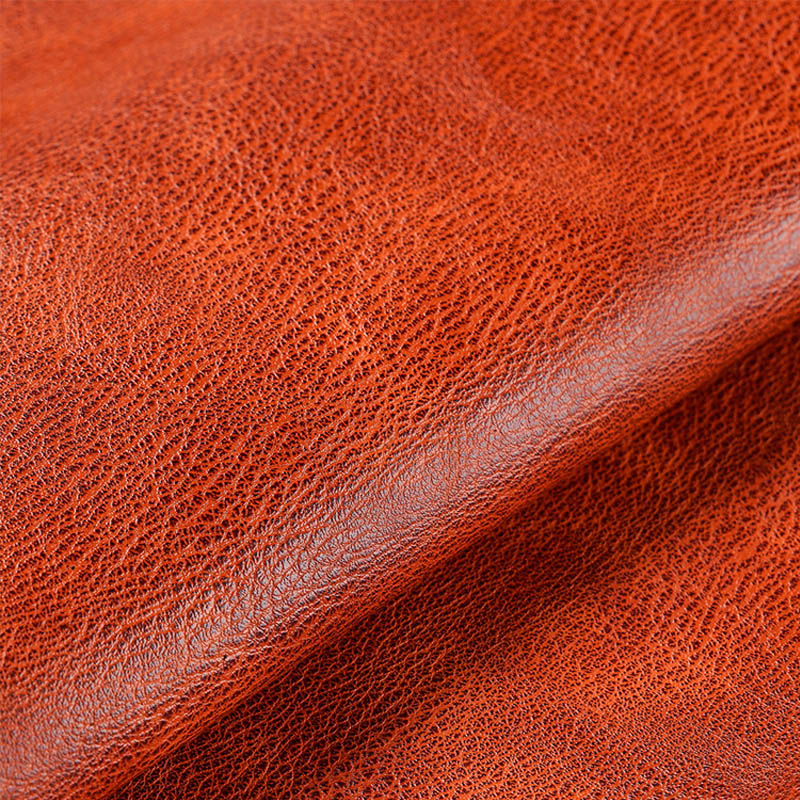
The term "bio-based" can describe materials that contain ingredients derived from renewable biological resources, but the exact formulation can vary considerably between products. Some materials may combine bio-derived components with synthetic polymers, coatings, backing fabrics, or other conventional inputs. For procurement teams, understanding the material composition is therefore important when comparing different alternatives. A clear technical specification can help buyers evaluate what the material is designed to achieve instead of making a purchasing decision based only on environmental positioning.
Is Sustainable Material Still Suitable for Daily Use?
A material intended for commercial products still needs to perform under real operating conditions. Automotive seats, furniture surfaces, footwear, and bags can experience repeated flexing, abrasion, moisture, friction, temperature changes, and regular cleaning. Recent research into bio-based leather alternatives has highlighted differences in elasticity and recovery between material types, showing why application-specific testing remains important.
For manufacturers, the key questions should include:
- How does the material respond to repeated bending and stretching?
- Can the surface maintain its appearance after regular use?
- Is the backing suitable for the intended manufacturing process?
- Does the material meet the required abrasion, tensile, hydrolysis, or colorfastness specifications?
These checks help connect sustainability goals with practical product requirements.
Why Are Automotive and Furniture Buyers Paying Attention?
Automotive and furniture manufacturers increasingly need surface materials that combine tactile quality with functional performance. Recent automotive material development has included bio-based and recycled inputs while maintaining requirements related to wear resistance, environmental endurance, visual consistency, and design flexibility.
For buyers, this means bio-based leatherette is not simply a replacement for conventional synthetic leather. It needs to fit the complete product system. Grain pattern, softness, thickness, backing structure, color, finishing method, and processing behavior can all influence whether a material works effectively in the final product.
How Can Buyers Compare Different Leatherette Materials?
A sample may look attractive during an initial review, but appearance alone cannot determine long-term suitability. Procurement teams should compare materials according to the actual conditions they will encounter after manufacturing.
A practical comparison may include:
- Surface appearance and hand feel
- Thickness and dimensional stability
- Abrasion and flex resistance
- Color and finish consistency
- Resistance to moisture and cleaning
- Processing compatibility
- Required compliance documentation
This approach gives engineering and purchasing teams a clearer basis for material selection and reduces the risk of choosing a product that performs well visually but does not meet production requirements.
What Makes a Reliable Bio-Based Material Supplier?
Supplier capability becomes especially important when a buyer needs customized colors, textures, thicknesses, backing materials, or application-specific performance. A manufacturer should be able to communicate technical specifications clearly and support sample development before larger production quantities are discussed. Current leather industry sourcing is also placing greater attention on traceability, compliance, material efficiency, and the ability of suppliers to support product development rather than simply provide finished materials.
Can Customization Improve Material Selection?
Different end products require different material characteristics. A footwear manufacturer may prioritize flexibility and surface durability, while an automotive interior producer may focus more heavily on abrasion, appearance retention, comfort, and environmental resistance. Customization allows buyers to discuss these requirements before production instead of trying to adapt a standard material after problems appear.
From a manufacturer's perspective, this is where technical communication matters. Providing samples, specifications, finish options, and application guidance can make the transition from material testing to production more straightforward.
Choosing Bio-Based Leatherette With a Long-Term View
Bio-based materials are attracting attention, but responsible sourcing requires buyers to look beyond the label and examine actual composition, performance, testing, and application suitability. For manufacturers seeking a dependable Biobased Leatherette Supplier, the ability to provide consistent material quality, clear technical information, customization support, and practical communication can be just as important as the bio-based content itself. A well-matched Bio-Based Leatherette solution should support the finished product's functional requirements while giving brands and manufacturers greater flexibility in developing materials for evolving market needs.