 English
 中文简体
中文简体 日本語
日本語 Español
The new energy vehicle industry continues to iterate at high speed, with the race toward electrification and intelligence now entering its second half. Today, when consumers choose a vehicle, they consider not only range, power, and smart cockpit features, but also increasingly treat in-cabin air quality as an important decision factor — now regarded as the fourth key purchasing indicator after performance, styling, and intelligence.
Industry data shows that in May 2026, the retail penetration rate of new energy vehicles in China climbed to 62.9%, staying above 60% for two consecutive months. As market growth approaches saturation, competition among automakers continues to shift further down the supply chain. For automakers, the choice of interior materials has moved from being a procurement issue at the tail end of the supply chain to a definitional issue at the front end of brand strategy.
Standards Are Being Comprehensively Upgraded
As public health awareness rises, the regulatory system for in-cabin air quality continues to improve, with standards becoming increasingly strict. As early as 2011, the national standard "Guideline for Air Quality Assessment of Passenger Cars" (GB/T 27630-2011) clearly defined concentration limits for eight core pollutants including benzene, toluene, and formaldehyde, establishing a baseline for in-cabin health protection.
Local regulations are pilot further industry upgrades. In 2024, Shenzhen introduced China's group standard, the "Guideline for Health Evaluation of In-Cabin Air Quality of New Energy Vehicles," which added a control indicator for total volatile organic compounds (TVOC) on top of the eight pollutants specified in the national standard, and further tightened limits for pollutants such as benzene, toluene, and xylene. At the same time, the new national standard for synthetic leather, GB/T 8949-2025 "Polyurethane Synthetic Leather," officially took effect on May 1, 2026. The new standard represents a comprehensive upgrade in scope, classification, and performance requirements, explicitly strengthening controls on environmental indicators such as volatile organic compound (VOC) content and heavy metal content, while raising requirements for key performance characteristics including tensile load, tear strength, cold resistance, and hydrolysis resistance.
In the past, interior material selection was about "not making mistakes" — wear resistance, ease of maintenance, and controllable cost, all of which petroleum-based synthetic leather satisfied. Now, new energy vehicle cabins demand "no compromise" — non-toxic production processes, no odor under high temperatures, and the ability to return to nature after disposal. Low VOCs, low carbon, and sustainability are no longer optional bonuses but have become hard requirements for entering an automaker's approved supplier list.
Automakers' Material Selection Logic Is Changing
For this reason, an increasing number of mainstream automakers have begun systematic upgrades of their interior materials.
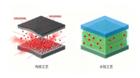
According to public information, brands such as XPeng, NIO, and Mazda have already introduced water-based processes and low-solvent interior materials in some of their new models, reducing the use of traditional solvent-based materials and lowering VOCs and harmful solvent residue at the material level.
Volvo and other brands focused on healthy cabins are also advancing bio-based interior solutions to reduce the use of animal leather. Automakers including Geely and Lynk & Co have established stricter interior material admission systems. Under these systems, interior covering materials typically must pass multiple rounds of verification, including component odor evaluation and high-and-low-temperature cycling aging tests. After vehicle assembly is complete, VOC spot checks are also conducted under 16-hour sealed static conditions, controlling cabin odor and volatile substances across multiple dimensions from material to finished vehicle.
Based on automaker testing and material benchmarking, water-based processes can significantly reduce solvent residue, and plant-based raw materials help lower carbon emissions — these are becoming important technical directions for addressing core pain points such as room-temperature odor, high-temperature VOC rebound, and failure to meet ESG low-carbon targets.
A Full-Chain Green Solution
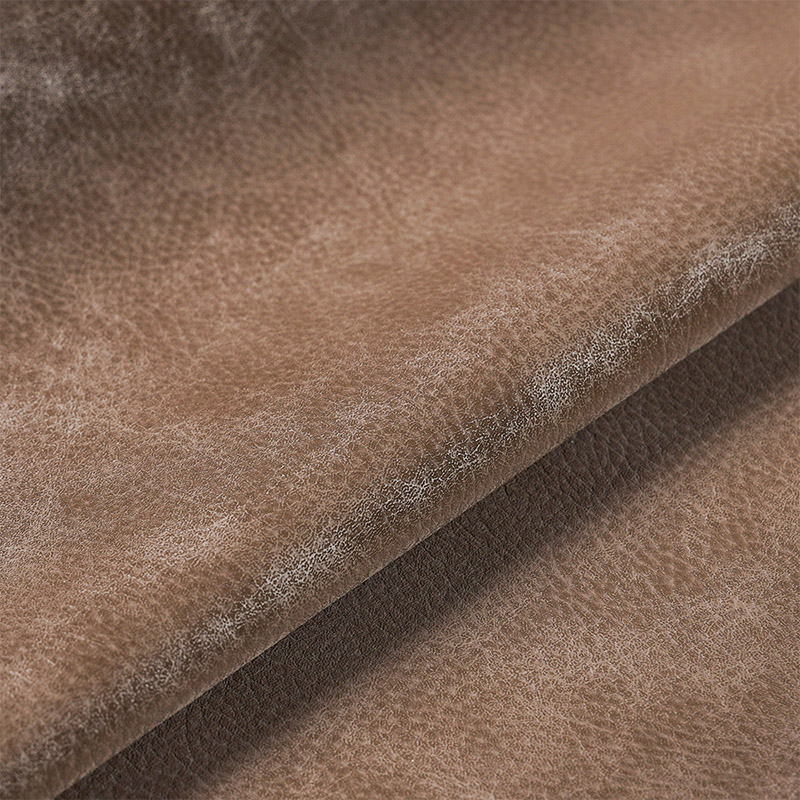
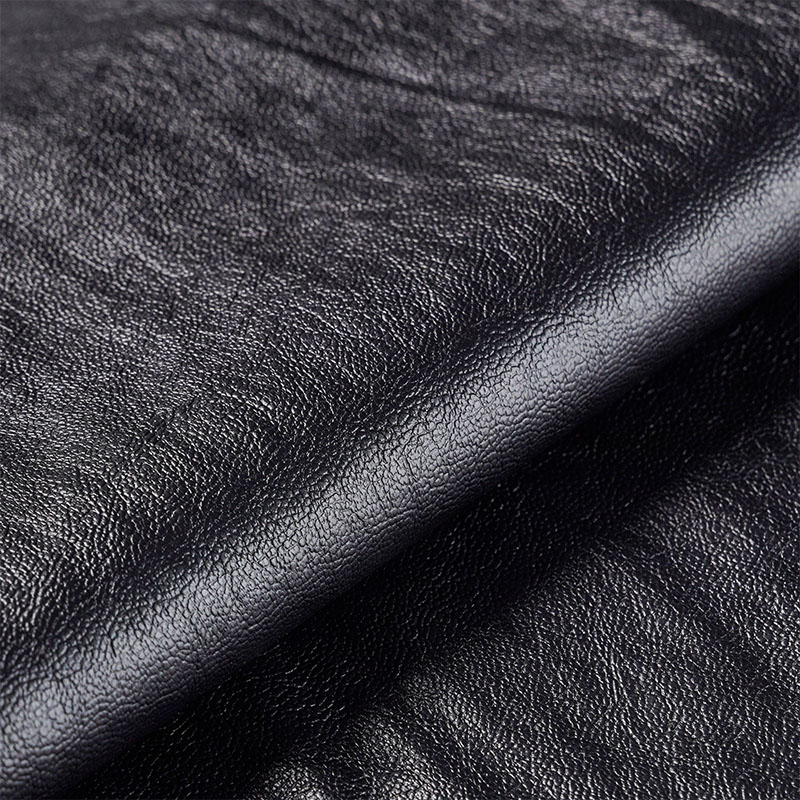
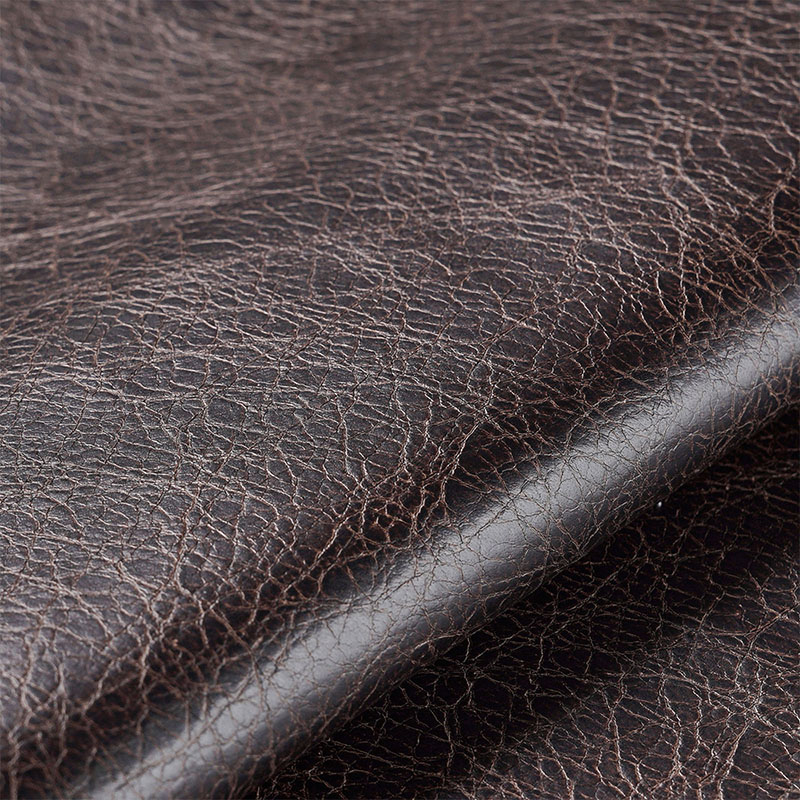
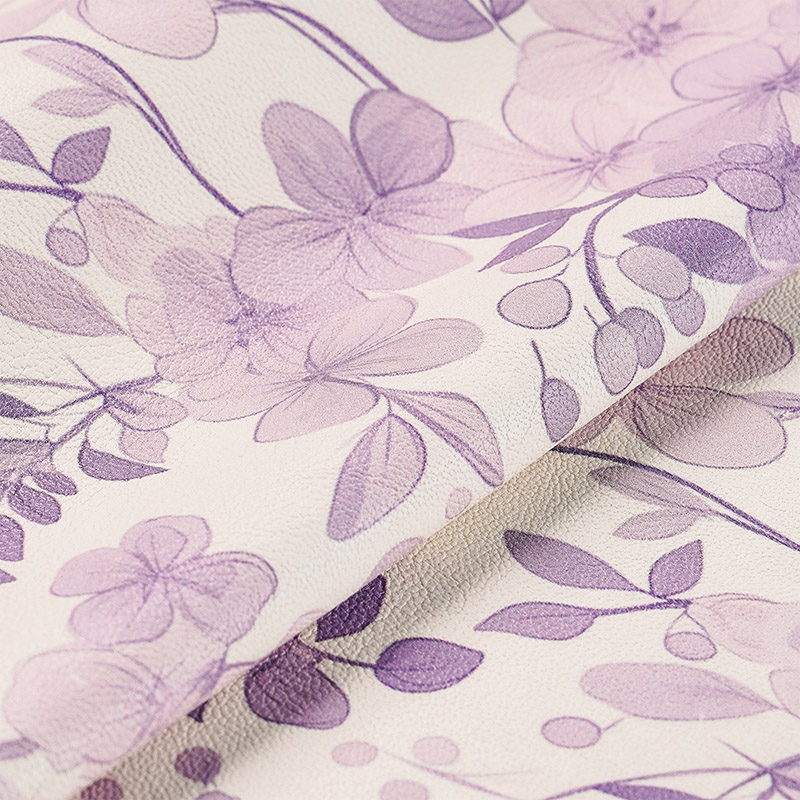
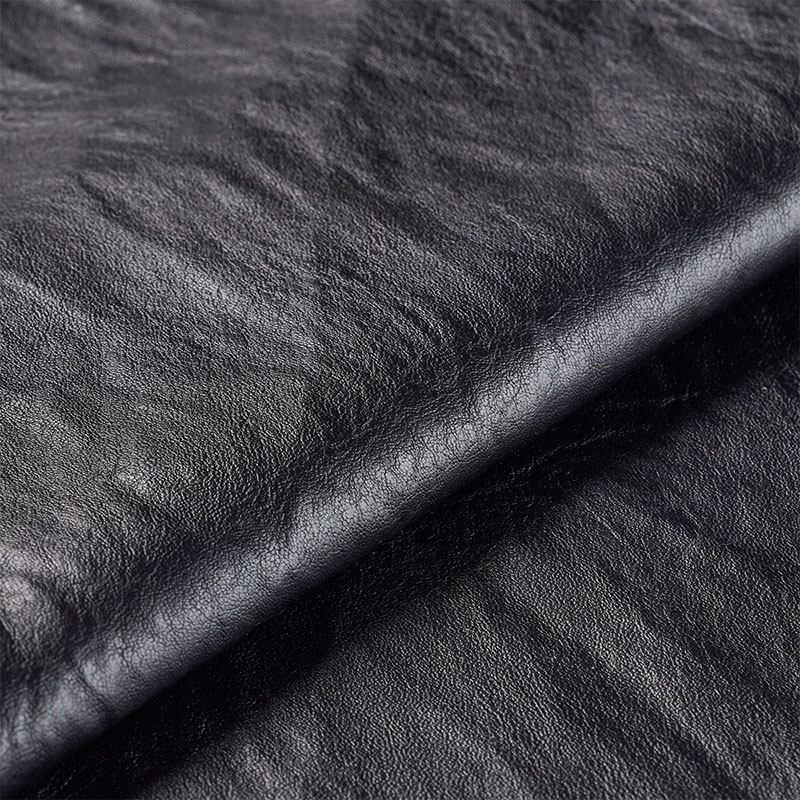
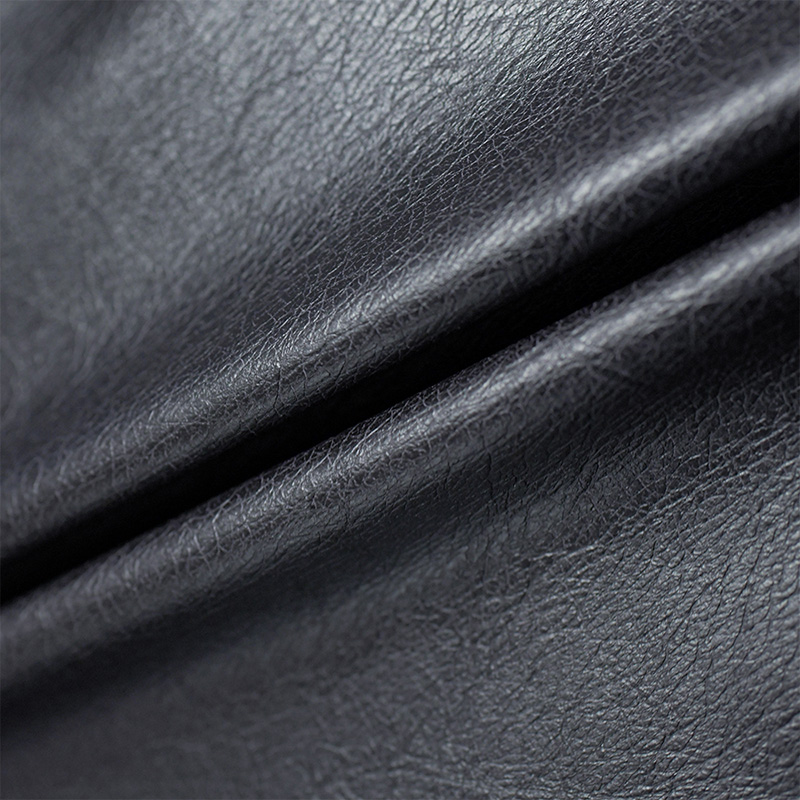
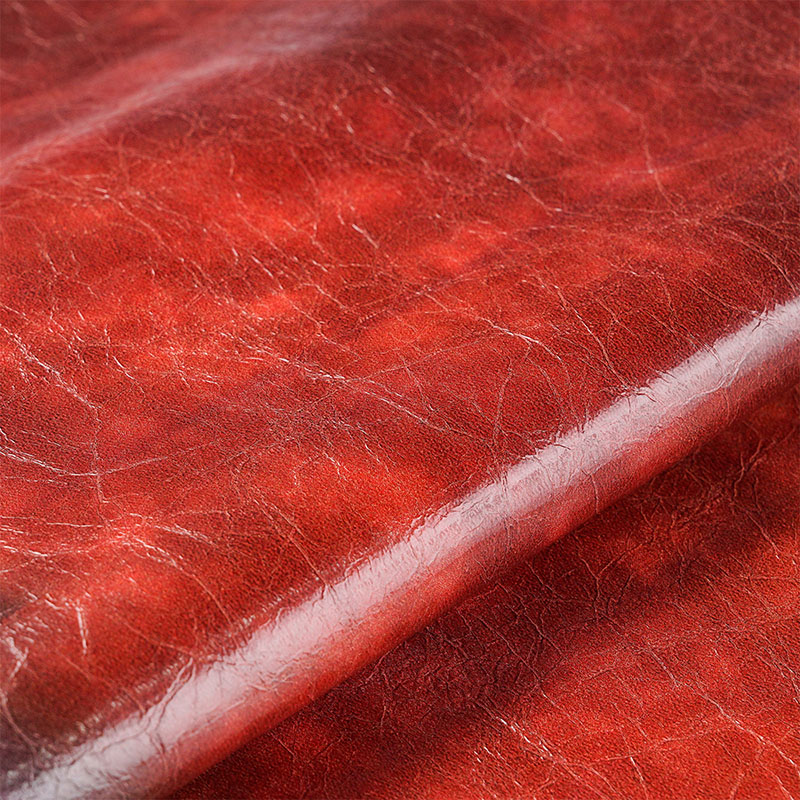
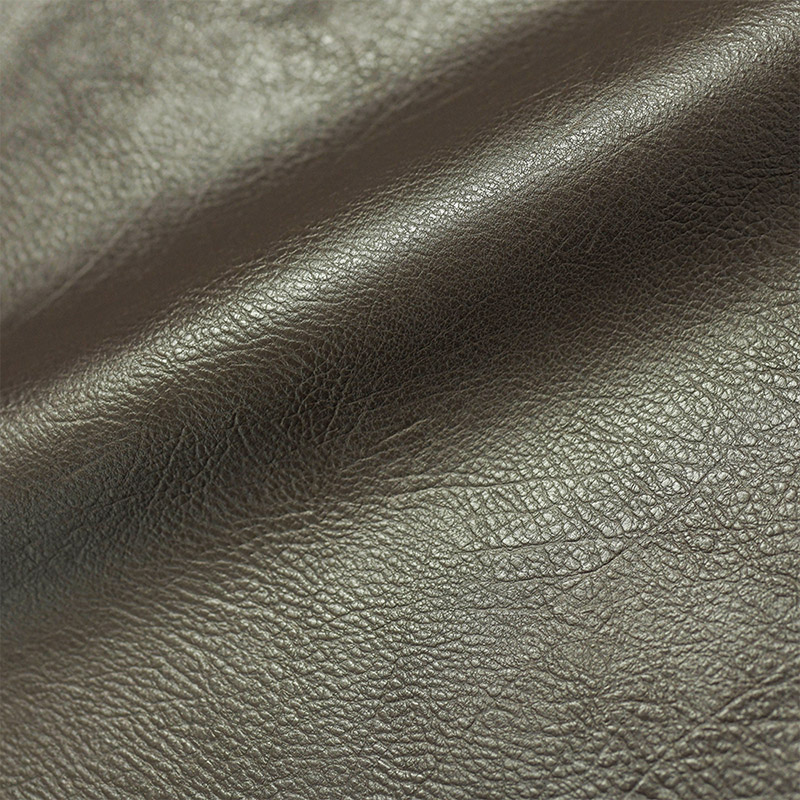
ZAKER has focused on the synthetic leather sector for many years, developing its own fully water-based polyurethane system paired with its proprietary FLORAVARA™ plant-based leather. This approach breaks through the raw-material limitations of traditional leather, abandoning high-carbon petroleum-based coating materials in favor of non-grain plant raw materials such as industrial corn, discarded coffee grounds, and coconut shells — substantially reducing the product's carbon footprint at the raw-material stage and achieving sustainable, low-carbon sourcing.

On the process side, ZAKER's proprietary AQUAE® water-based production system uses water as the sole dispersion medium throughout, without toxic or hazardous solvents such as DMFa, reducing VOC generation at the production source and aligning with the health and environmental standards required for new energy vehicle cabins.
The entire production process strictly follows the ZDHC Zero Discharge of Hazardous Chemicals guidelines, with no heavy metals or harmful additives used throughout.


An Industrial Closed Loop: Building a Green System Across the Full Raw Material–Production–Recycling Cycle
Distinct from a single-material upgrade, ZAKER has built a complete green industrial closed loop, achieving low-carbon, controllable management across the material's entire life cycle:
- Green raw materials: relying on non-grain plant raw materials to practice the circular economy concept
- Low-emission production: fully water-based processes replace traditional oil-based processes, eliminating solvent pollution
- End-of-life circularity: advanced chemical depolymerization technology enables the recycling and remanufacturing of discarded synthetic leather, while production processes achieve water recycling and heat recovery, with electricity self-sufficiency achieved through solar power systems — completing a dual closed loop of energy and resources
From petroleum dependence to plant regeneration, from solvent pollution to water-based cleanliness, the green revolution in new energy vehicle cabins has already become today's industrial reality.
The green transformation of the cabin begins with innovation in materials. Relying on FLORAVARA™ plant-based leather and its full-chain water-based manufacturing system, ZAKER is bringing healthy and safe interior solutions to more new energy vehicle models.