 English
 中文简体
中文简体 日本語
日本語 Español
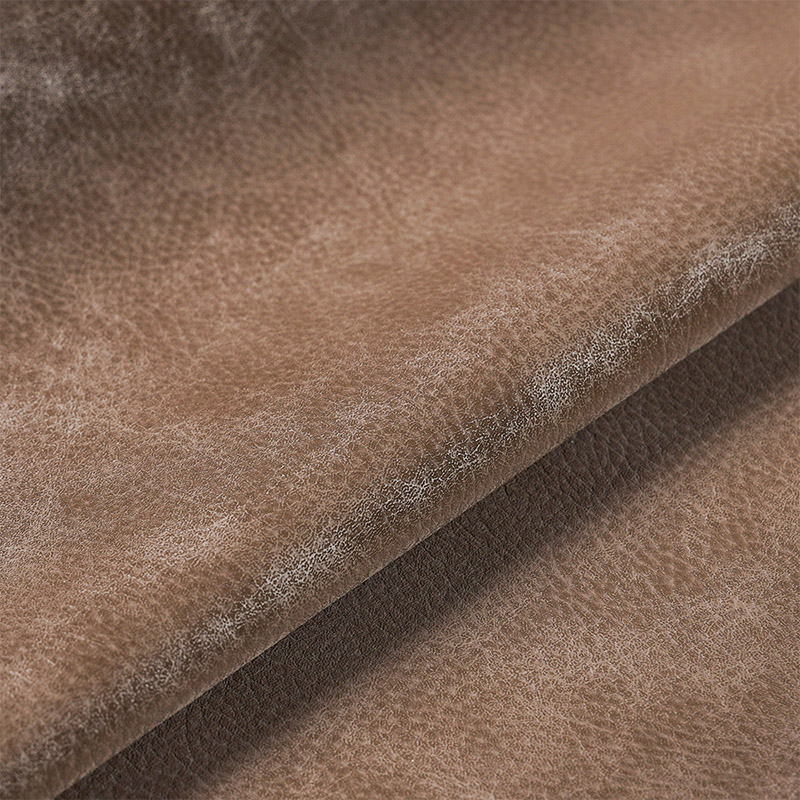
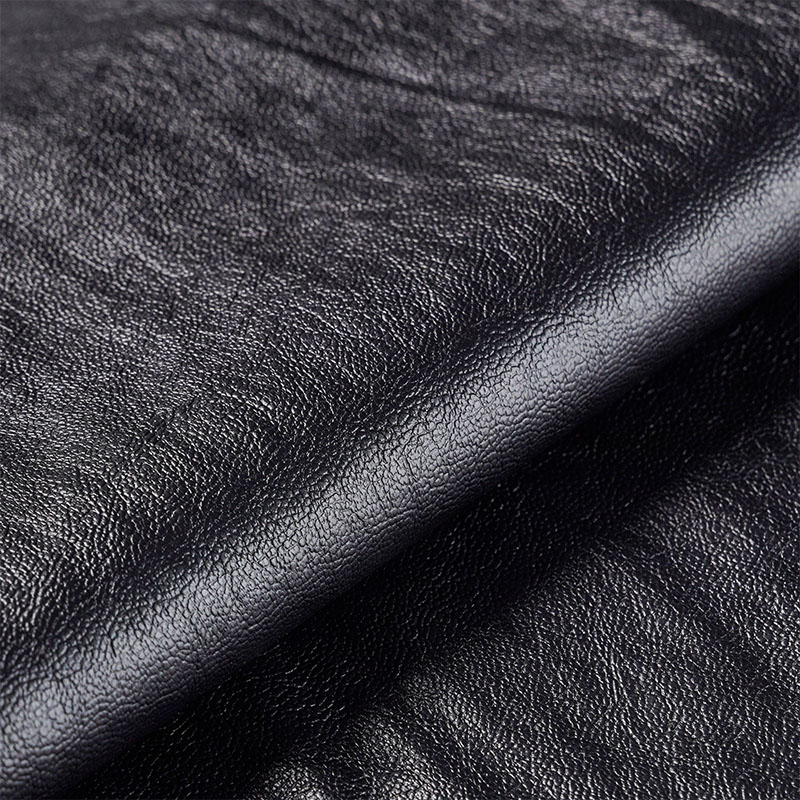
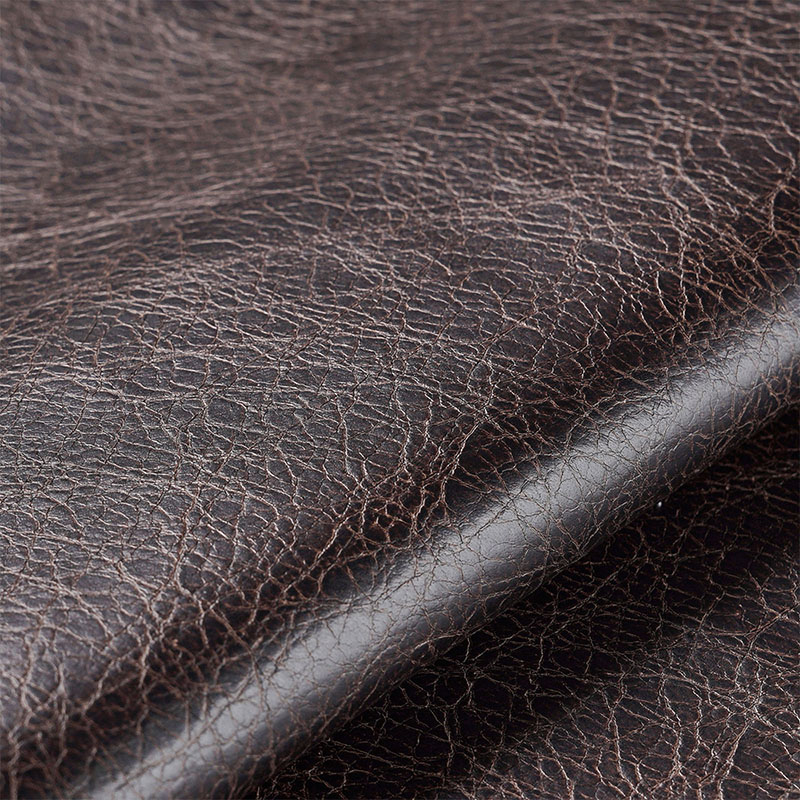
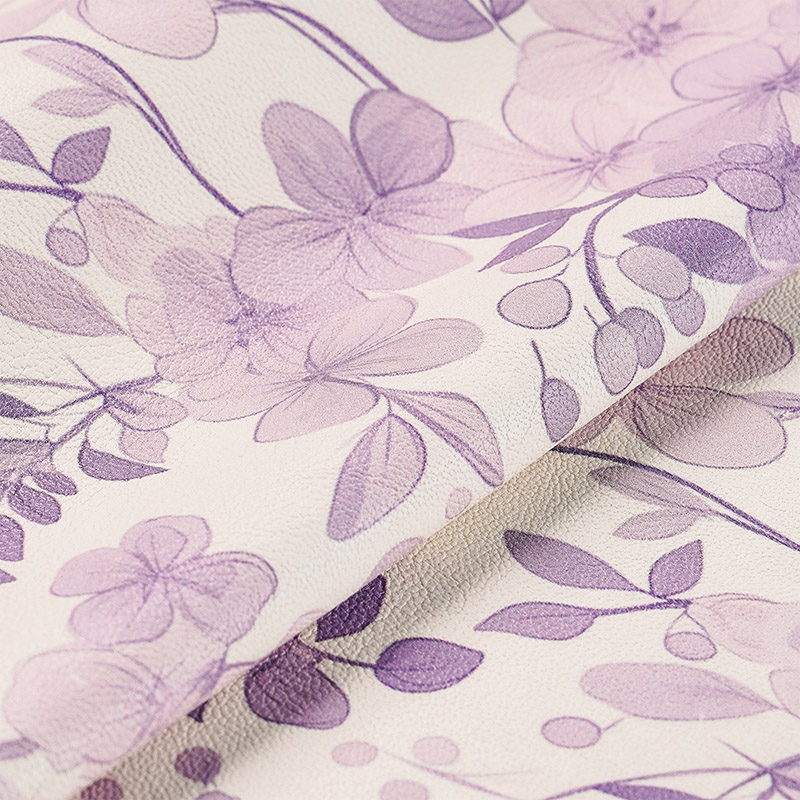
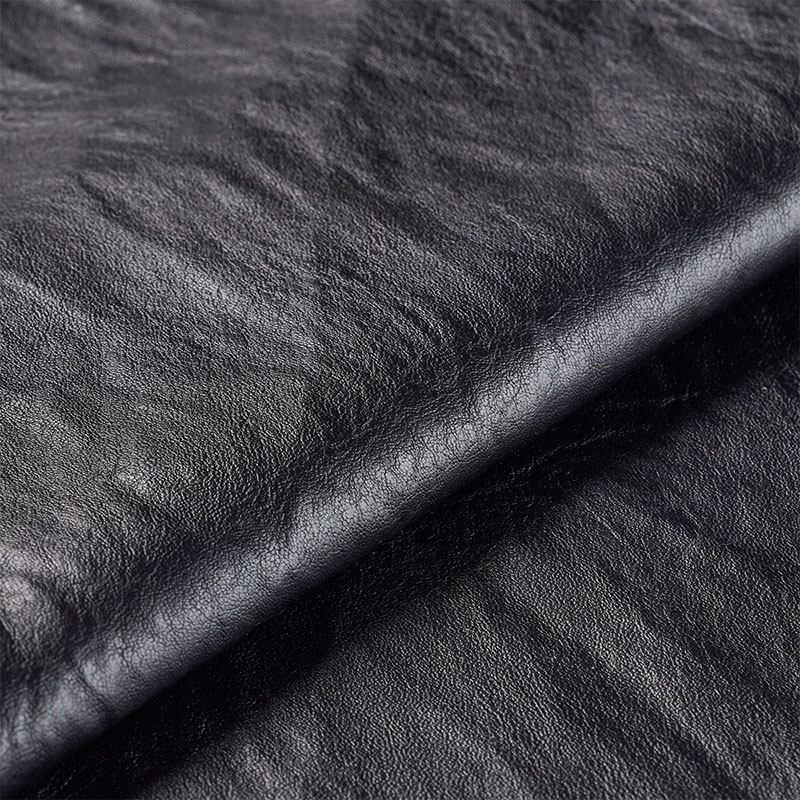
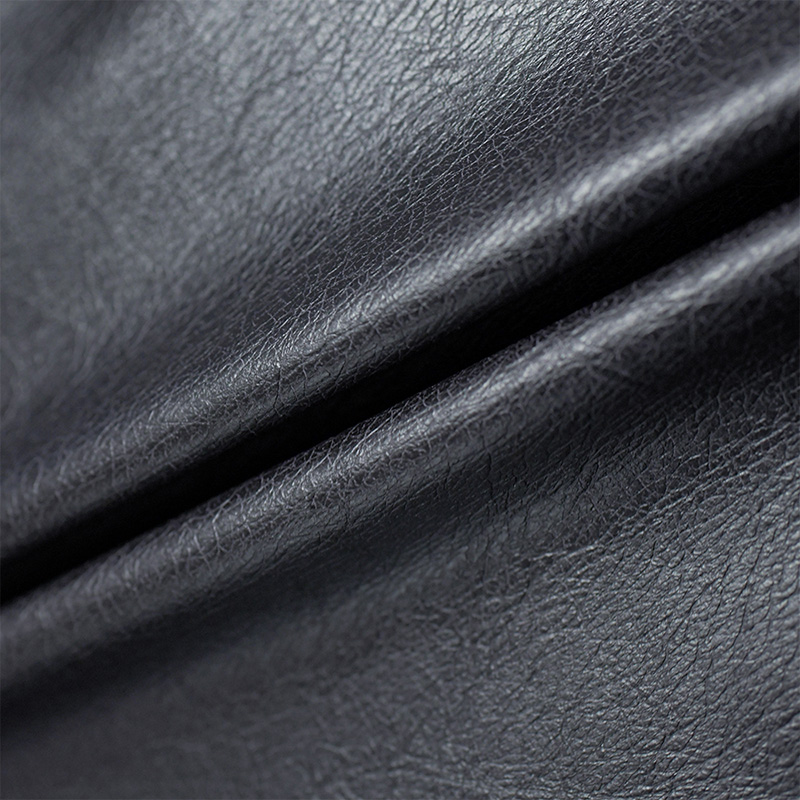
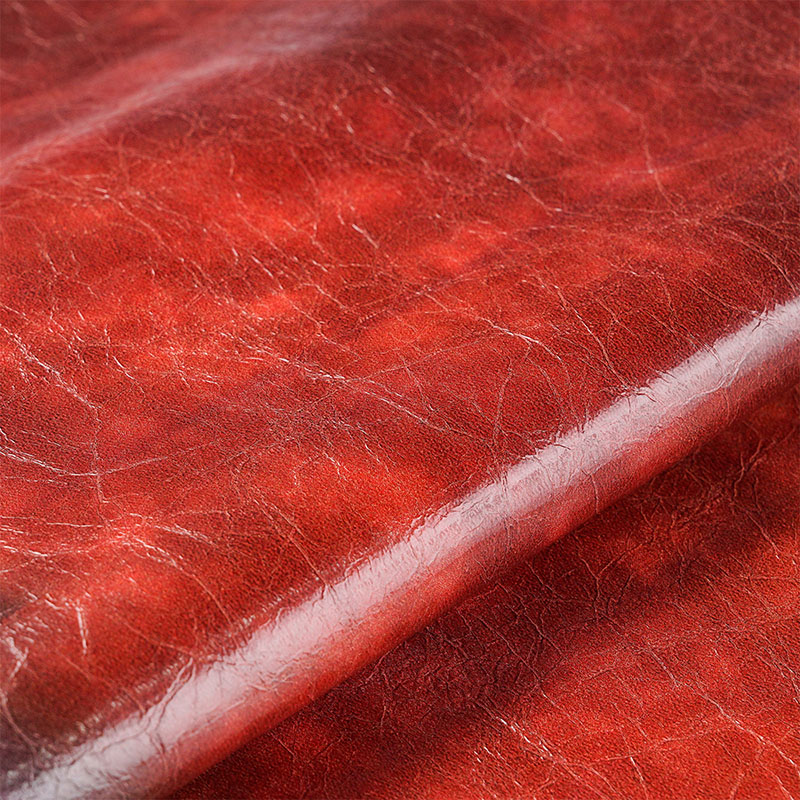
Selecting synthetic leather is no longer as simple as comparing color cards or requesting samples. As industries raise their standards for product quality and environmental responsibility, procurement teams are taking a more technical approach to material evaluation. Buyers searching for High-Performance Synthetic Leatherette Materials want products that combine durability, appearance, and manufacturing consistency. At the same time, DMF-free leatherette has become a frequently requested specification for brands targeting international markets. Understanding what separates premium materials from standard alternatives can help reduce sourcing risks and improve long-term product performance.
Surface Performance Should Be Tested, Not Assumed
Appearance may attract attention, but surface performance determines how well a material performs after months or years of use.
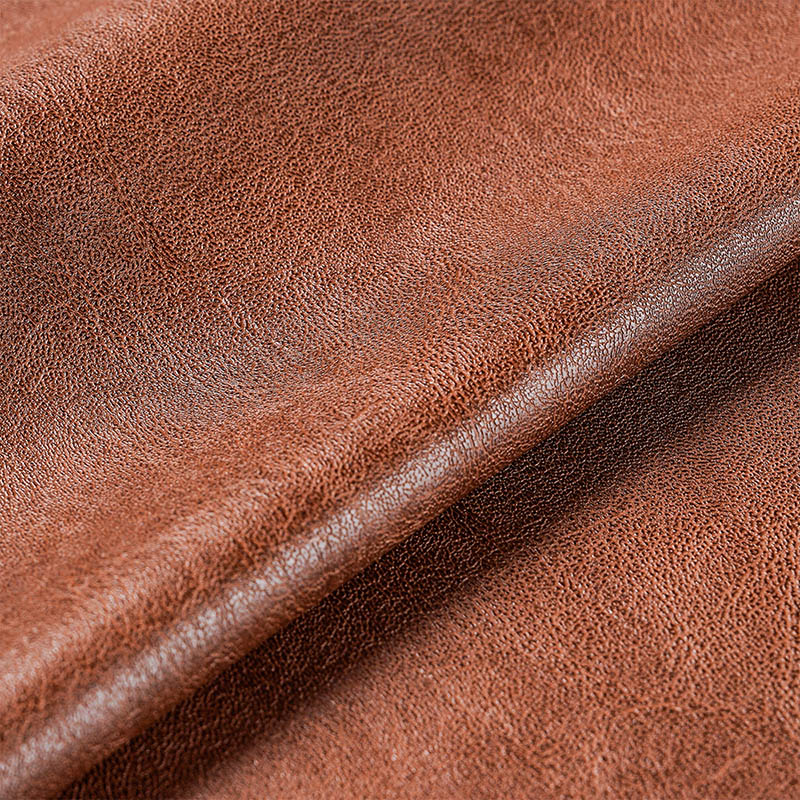
Professional buyers increasingly evaluate factors such as scratch resistance, abrasion performance, stain resistance, and surface stability under daily wear. Materials that maintain their texture and finish over time often provide greater value throughout the product lifecycle.
Requesting technical specifications and application recommendations from manufacturers helps ensure the selected material matches the intended end use.
Consistency Across Production Batches Matters
One challenge for global brands is maintaining a consistent appearance across multiple production runs. Small variations in color, embossing, or texture can affect the final product and create unnecessary quality concerns.
Reliable manufacturers invest in standardized production processes to improve consistency in:
- Surface grain and texture
- Color matching
- Thickness tolerance
- Roll length uniformity
- Coating quality
Stable batch-to-batch production simplifies inventory management and supports consistent branding across different markets.
Material Structure Influences Product Performance
Many buyers focus only on the outer surface, but internal construction is equally important. Different backing materials and coating structures influence flexibility, dimensional stability, and overall durability.
When selecting materials, engineers often consider:
- Required softness or firmness
- Application environment
- Sewing or forming requirements
- Load-bearing performance
- Long-term dimensional stability
Choosing the appropriate construction helps manufacturers optimize both production efficiency and finished product quality.
Environmental Requirements Continue to Shape Purchasing Decisions
International brands increasingly require materials that support responsible manufacturing practices and meet evolving market expectations.
For many procurement teams, environmental considerations now include:
- DMF-free production
- Reduced chemical concerns
- Material traceability
- Consistent quality documentation
- Reliable supplier management systems
Although performance remains essential, environmental compliance is becoming an equally important part of supplier qualification for export-oriented projects.
Why Technical Support Adds Value Beyond Material Supply
Material selection often involves balancing aesthetics, processing methods, and performance requirements. This makes technical communication an important part of successful product development.
Experienced manufacturers assist customers by recommending suitable textures, coating structures, thickness options, and backing combinations based on specific applications. Early technical collaboration can reduce unnecessary sampling cycles and improve production efficiency.
Rather than simply delivering materials, manufacturers become long-term development partners throughout the sourcing process.
Flexible Manufacturing Supports Diverse Industries
Different industries require different material characteristics. Automotive interiors, furniture upholstery, consumer electronics, luggage, and commercial seating all have unique performance expectations.
Manufacturers with flexible production capabilities can respond more efficiently to varying customer needs by offering customized colors, embossing patterns, backing materials, and performance specifications.
This adaptability allows brands to develop products that better reflect market trends while maintaining consistent manufacturing quality.
Smarter Material Selection Creates Better Products
As buyers become more knowledgeable, sourcing decisions are increasingly based on measurable performance instead of appearance alone. Manufacturers that combine technical expertise with reliable production processes are better positioned to support global brands in competitive markets.
For companies seeking dependable material solutions, High-Performance Synthetic Leatherette Materials offer an reliable balance of durability, design flexibility, and production consistency. By selecting DMF-free leatherette from an experienced manufacturer, buyers can confidently develop products that meet evolving customer expectations while supporting responsible manufacturing objectives.