
 English
 中文简体
中文简体 日本語
日本語 Español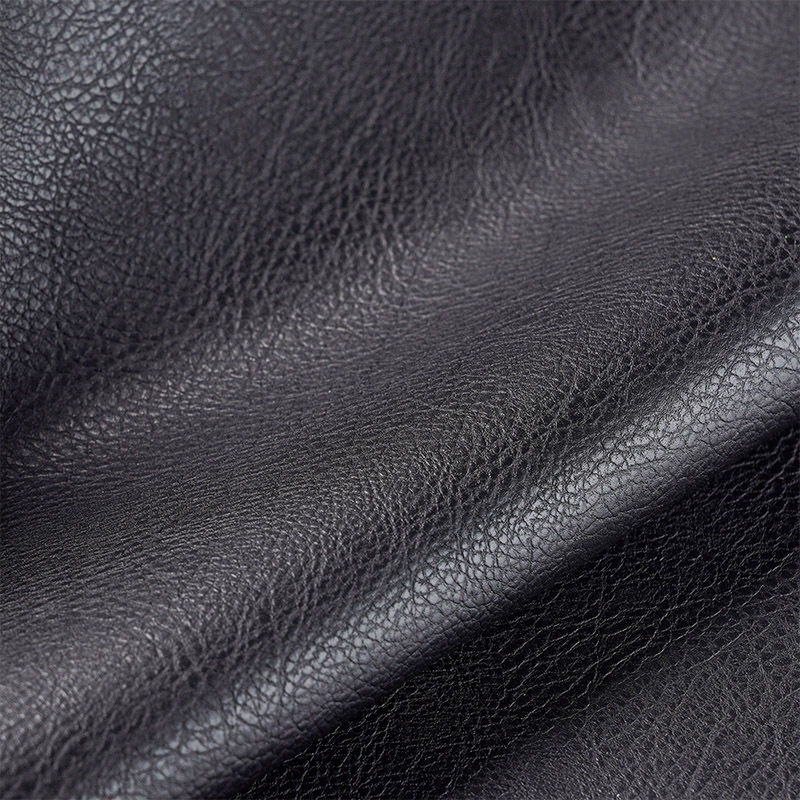
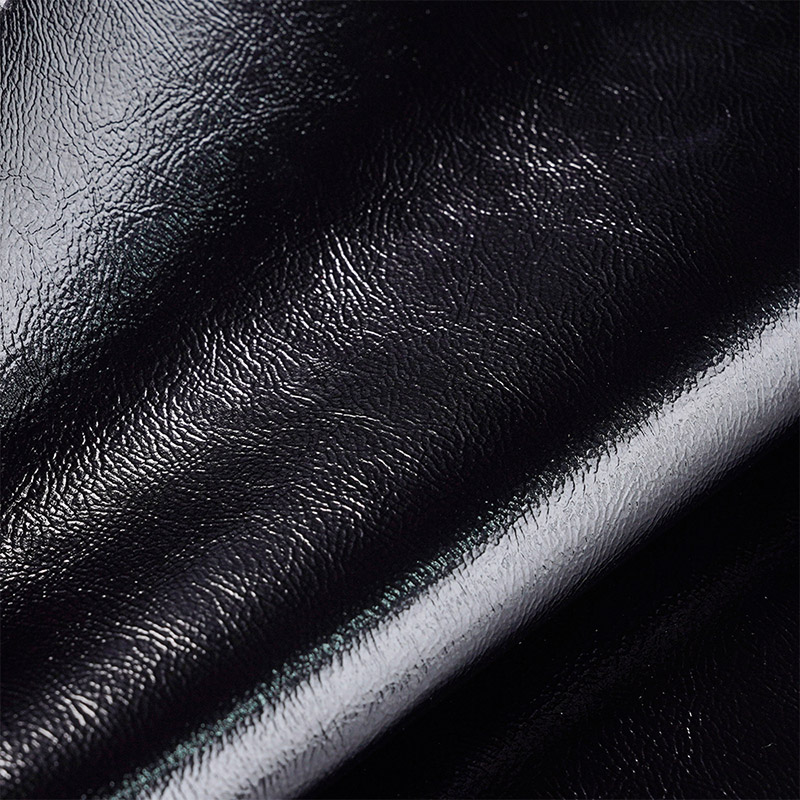
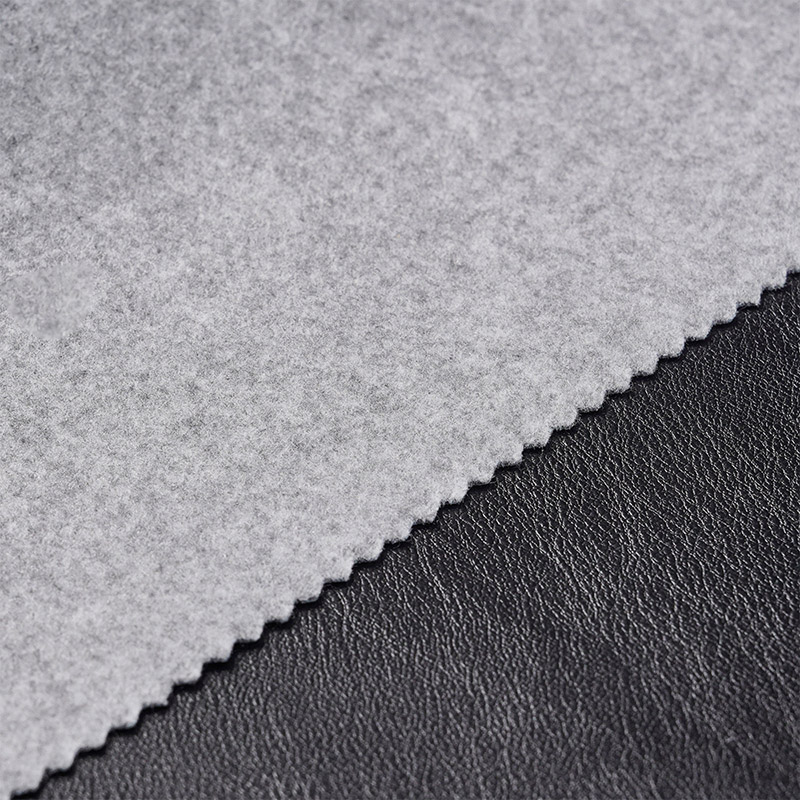
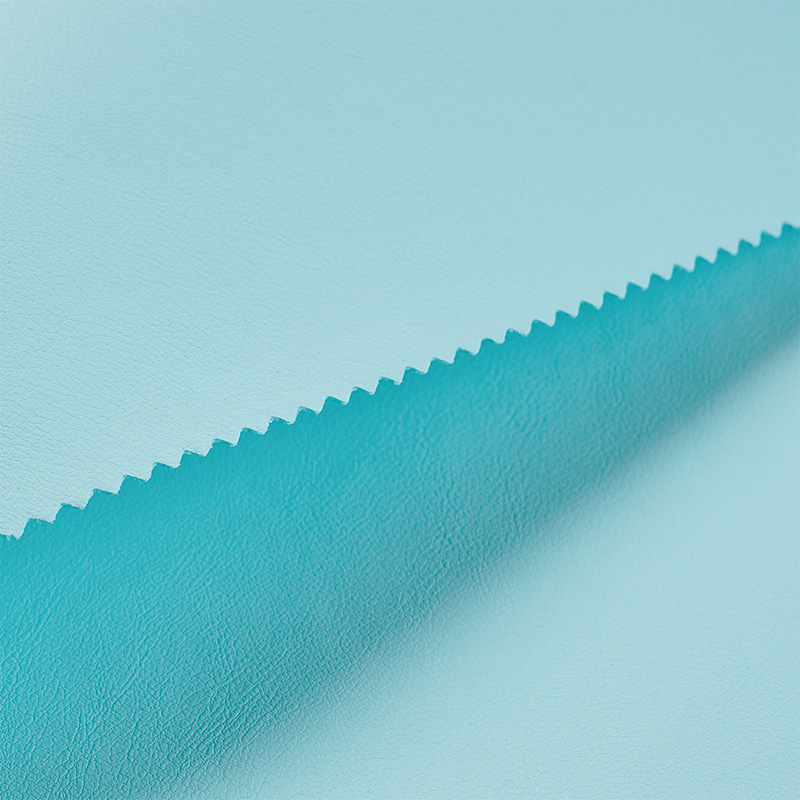
ZAKER is a China Double-Sided And Rigid Leatherette suppliers and wholesale Double-Sided And Rigid Leatherette factory. Leveraging a modern production base of nearly 50,000 square meters and over 100 patent technologies, it focuses on the exploration of low-pollution, plant-based, and recyclable new materials, continuously promoting the green transformation of the industry, and through its independent innovation technology platform, forming a diversified product system centered on water-based synthetic leather, biogenic synthetic leather, and functional high-end coating materials, which are widely applied in fashion clothing, luggage, shoe materials, home furniture, automotive interiors, consumer electronics, and other fields.
Double-Sided And Rigid Leatherette
Double-Sided And Rigid Leatherette Suppliers
About
Zhejiang ZAKER New Material Technology Co., Ltd.
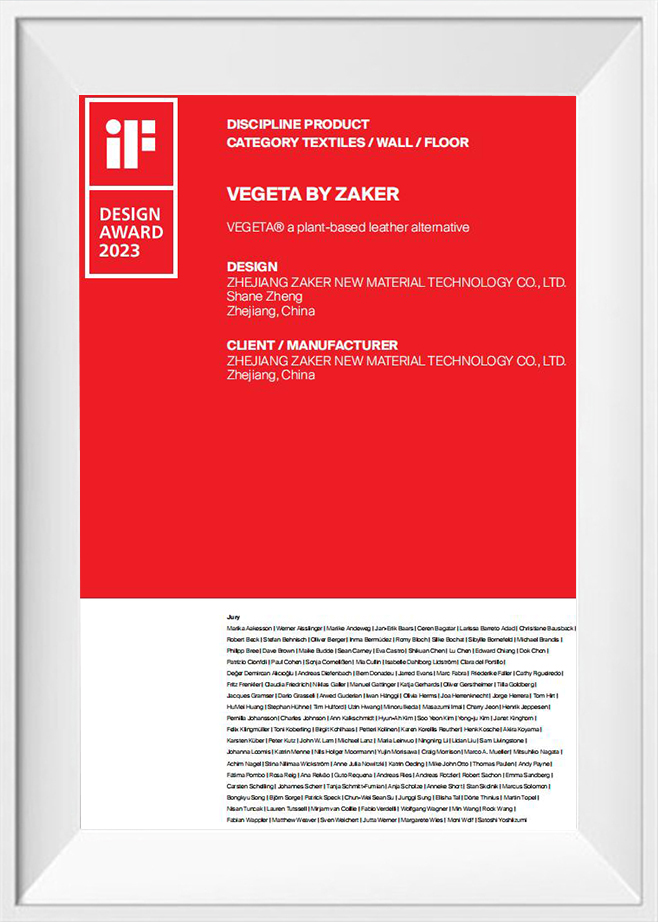
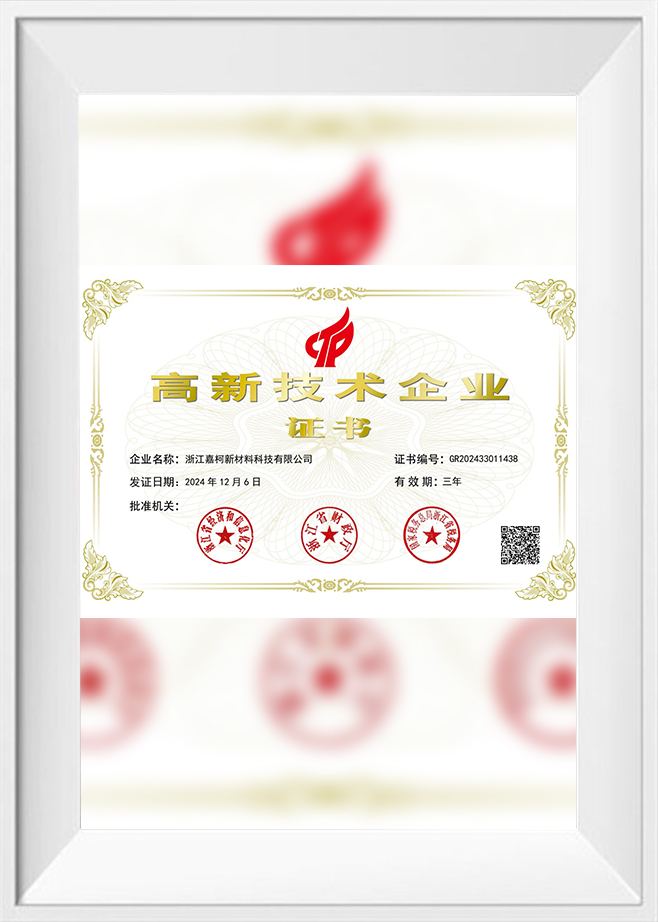
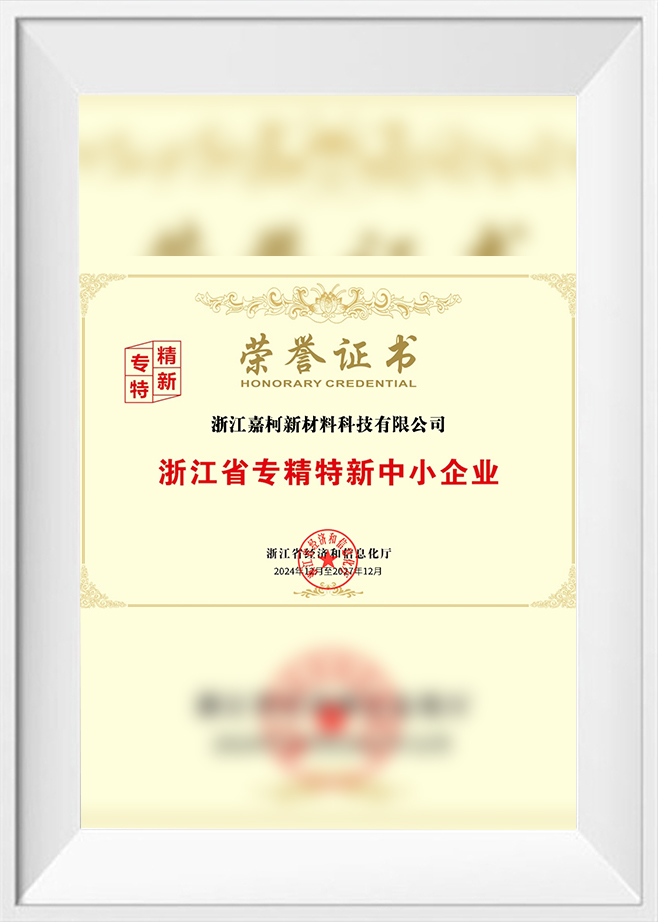
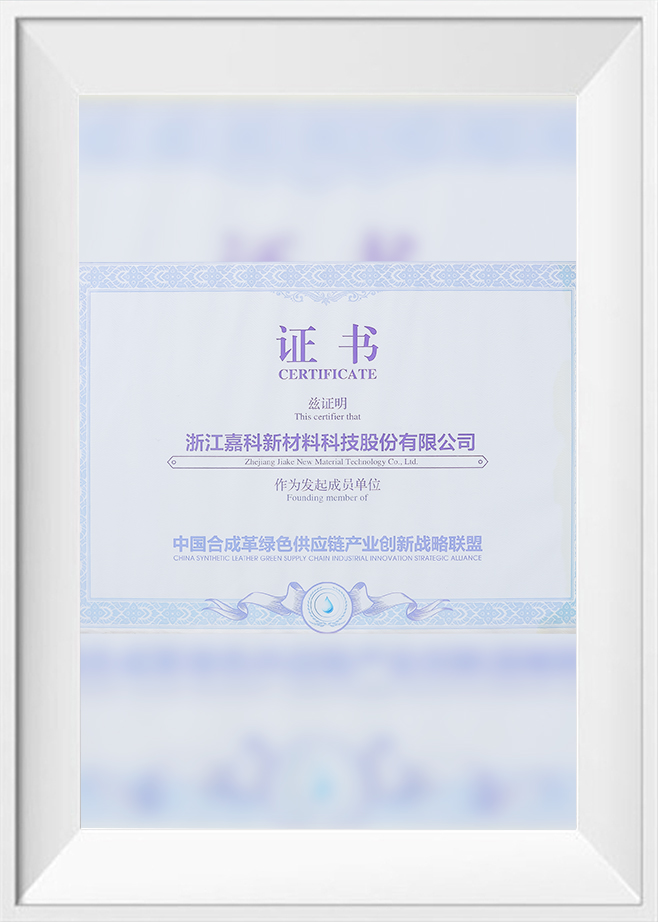
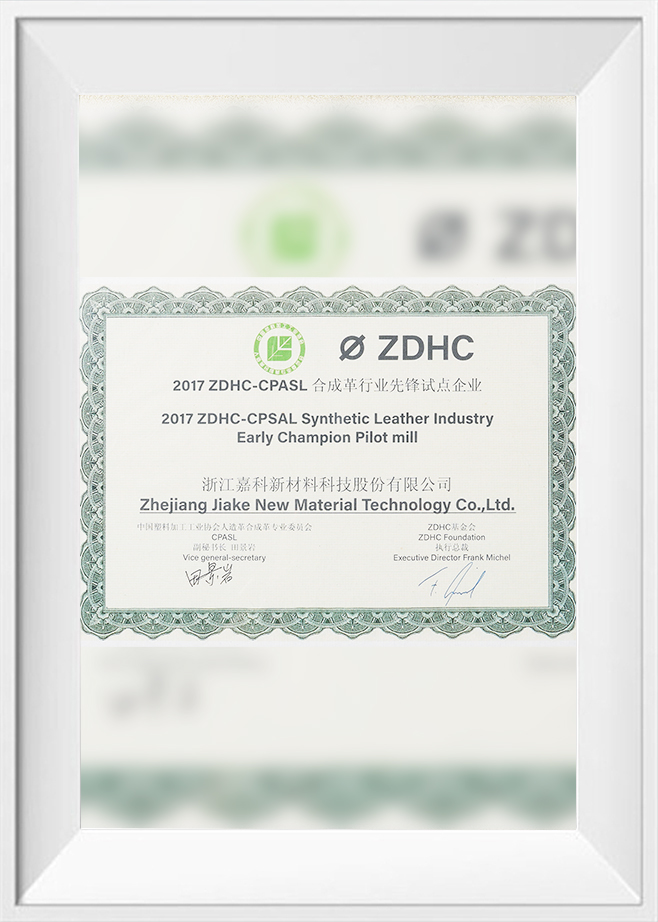
Certificate Of Honor
Message Feedback
Update News And Events
-
2026.10.16How Should Buyers Test Bio-Based Leatherette Before Moving to Production?A material sample can look promising in the showroom and still create unexpected problems during production. For companies developing automotive interiors, furniture, footwear, bag
-
2026.10.09Should Buyers Look Beyond the Bio-Based Label When Choosing Leatherette?The move toward bio-based materials is creating new options for automotive interiors, furniture, footwear, bags, and other applications that traditionally rely on leather or synthe
-
2026.09.30ZAKER: How Does the Traceability System Penetrate the Supply Chain?ZAKER The compliance requirements for global supply chains keep escalating. Downstream brands in apparel, luggage, automotive interiors, home furnishings and other sectors are impo
-
2026.09.30ZAKER: A Differentiated Path for Plant-Based Leather in New Energy VehiclesThe new energy vehicle industry continues to iterate at high speed, with the race toward electrification and intelligence now entering its second half. Today, when consumers choose
-
2026.10.02Can Bio-Based Leatherette Meet the Performance Demands of Modern Products?For buyers sourcing materials for automotive interiors, furniture, footwear, bags, and other consumer products, sustainability is increasingly being considered alongside durability
Double-Sided and Rigid Leatherette: Why Structure Matters in Modern Synthetic Materials
Not every synthetic leather material is designed to feel soft, flexible, or draped. In many industries, the priority is the opposite—stability, firmness, and shape retention. This is where Double-Sided and Rigid Leatherette, Stiff Leatherette Material, and Rigid Faux Leather Sheet are commonly used.
These materials are developed for products that need to hold structure rather than follow movement. Instead of focusing on softness or flow, they are engineered to support edges, maintain form, and create cleaner geometric silhouettes.
In many applications, rigidity is not a limitation. It is the feature that defines the product itself.
When Flexibility Becomes a Problem
Soft synthetic leather works well for clothing, upholstery, and flexible accessories, but not every product benefits from softness.
A handbag with no structure may collapse. A presentation box made with overly flexible material may lose edge definition. Decorative panels with weak surface support can warp over time.
Rigid leatherette materials solve these problems by introducing higher dimensional stability into the material construction.
The result is a surface that behaves more like a structural layer rather than simply a covering material.
What Is Double-Sided Leatherette?
Double-sided leatherette refers to synthetic leather material finished on both sides rather than having one decorative surface and one exposed backing fabric.
Both surfaces are usually designed to appear clean and complete, making the material suitable for products where the interior and exterior remain visible at the same time.
This type of construction is often chosen for products with exposed edges or open structures.
Why Double-Sided Construction Is Useful
In many products, the inside surface is just as visible as the outside.
Examples include:
structured handbags
luxury organizers
notebook covers
desk accessories
storage boxes
architectural decorative panels
Using double-sided leatherette eliminates the need for additional lining materials while creating a cleaner finished appearance.
It also helps reduce visible seams and layered bulk in minimalist product designs.
Understanding Stiff Leatherette Material
Stiff leatherette material is engineered to maintain shape and resist bending compared with soft PU or suede-like synthetic surfaces.
This rigidity can come from several factors:
thicker coating layers
reinforced textile backings
laminated internal support structures
compressed fiber bases
harder polymer formulations
The goal is not to make the material uncomfortable, but to give it controlled structural behavior.
In practice, stiff leatherette behaves more predictably during cutting, folding, and assembly—especially in products requiring sharp edges or stable form.
Why Rigid Faux Leather Sheets Are Widely Used
Rigid faux leather sheets are commonly supplied in panels or thick roll formats for industries where material stability is more important than drape.
These materials are frequently used in manufacturing environments because they simplify construction and improve shape consistency across production runs.
Unlike soft synthetic leather that follows gravity and movement, rigid sheets maintain alignment and edge definition during fabrication.
This becomes especially important in products where geometry is visually critical.
Products That Depend on Rigid Leatherette Materials
Structured Handbags and Cases
Some handbag styles require the body of the product to remain upright even when empty.
Rigid faux leather sheets are commonly used in:
- box handbags
- briefcases
- cosmetic cases
- luxury travel organizers
- hard-edge tote bags
The stiffness helps preserve silhouette integrity over long-term use.
Packaging and Presentation Products
One of the largest uses for rigid leatherette materials is premium packaging.
These include:
- watch boxes
- jewelry cases
- presentation folders
- gift packaging
- collector edition packaging
A rigid material immediately increases perceived product value because the structure feels more substantial in hand.
Furniture and Decorative Panels
Double-sided rigid leatherette is also used in:
- wall panel systems
- acoustic decorative surfaces
- cabinet detailing
- commercial interior installations
The stable structure helps maintain clean installation lines and sharp corners.
Office and Lifestyle Products
Rigid synthetic leather materials are often applied in:
- desk mats
- menu covers
- storage organizers
- document holders
- luxury stationery accessories
These products benefit from both surface durability and form stability.
Why Minimalist Design Increased Demand for Rigid Materials
Modern product design has shifted toward cleaner silhouettes and sharper forms.
This design direction naturally increased the demand for materials that can support:
- straight edge construction
- geometric precision
- flat surface stability
- reduced seam visibility
- architectural styling
Soft materials often introduce wrinkles or collapse that conflict with minimalist design language.
Rigid leatherette materials solve this by helping products maintain visual discipline.
Double-Sided Leatherette and Edge Finishing
One important advantage of double-sided leatherette is how it changes edge construction.
Traditional synthetic leather usually requires folded edges or additional lining because the backing fabric is exposed.
Double-sided materials allow:
- cleaner cut-edge construction
- thinner product profiles
- reduced internal layering
- more refined finishing details
This is especially valuable in modern accessories where visible simplicity is part of the design identity.
The Balance Between Rigidity and Workability
Although rigid leatherette materials are designed for structure, excessive stiffness can create manufacturing difficulties.
Material developers usually balance:
Structural Support
Enough rigidity to maintain shape.
Fold Performance
The material still needs controlled bending without cracking.
Cutting Precision
Clean edge behavior during CNC or die cutting.
Surface Durability
Rigid coatings must resist visible stress marks during assembly.
Higher-end rigid faux leather sheets are engineered carefully so the material feels stable without becoming brittle.
Material Development Trends
Rigid synthetic leather materials are evolving alongside broader manufacturing and design trends.
Current developments include:
- lightweight reinforced constructions
- thinner rigid composite layers
- recycled support backings
- water-based coating systems
- soft-touch rigid surfaces with matte finishing
Manufacturers are increasingly trying to combine structural performance with more refined tactile qualities.