 English
 中文简体
中文简体 日本語
日本語 Español
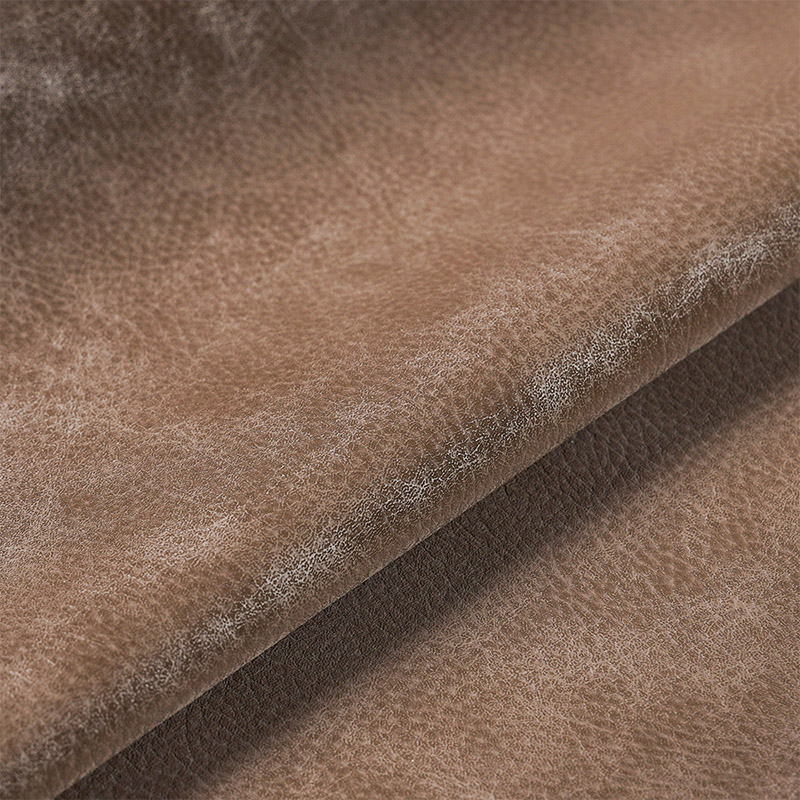
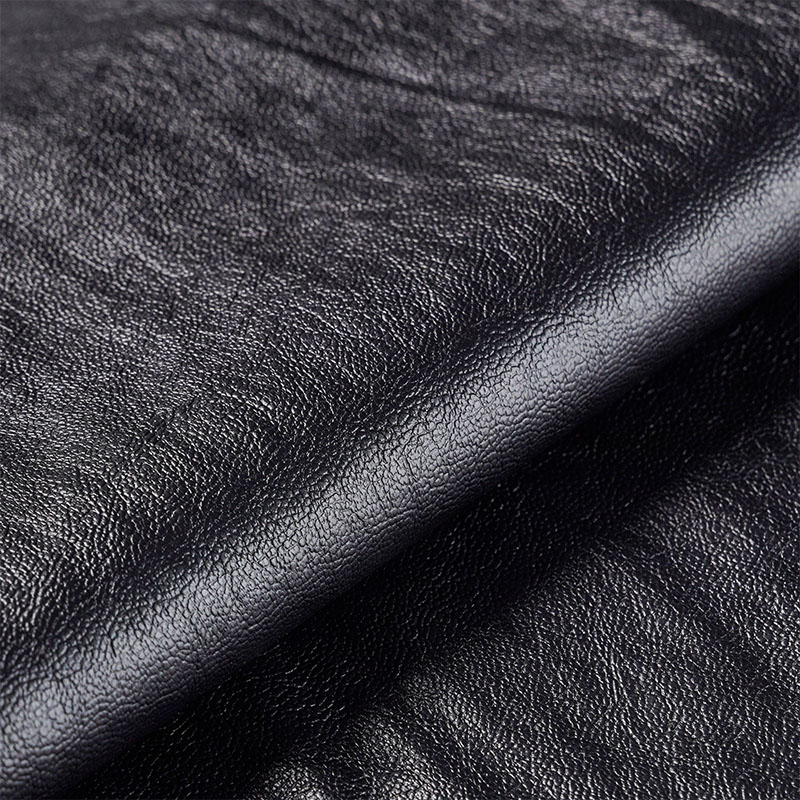
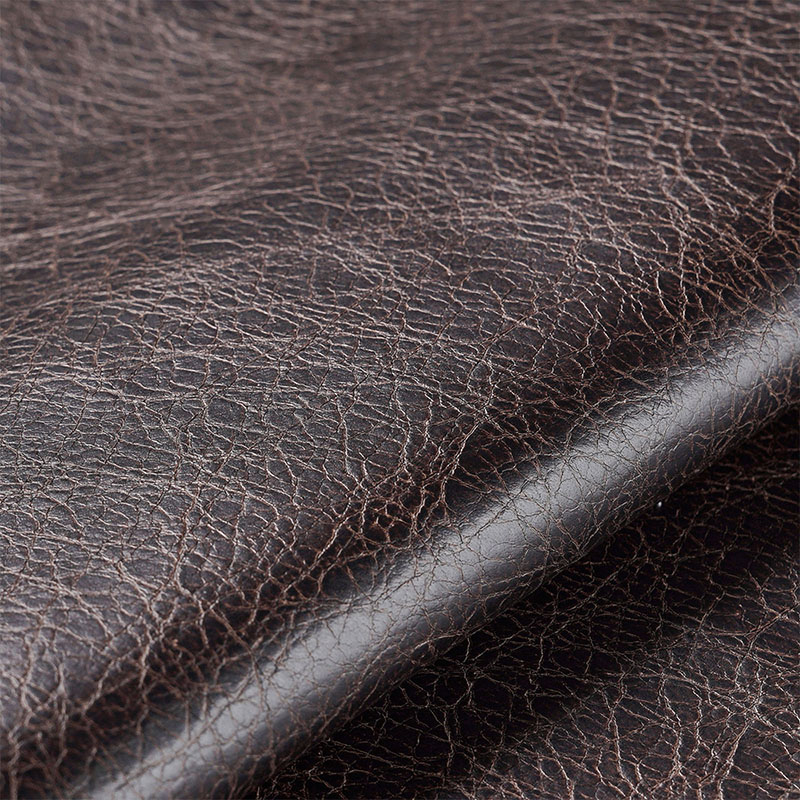
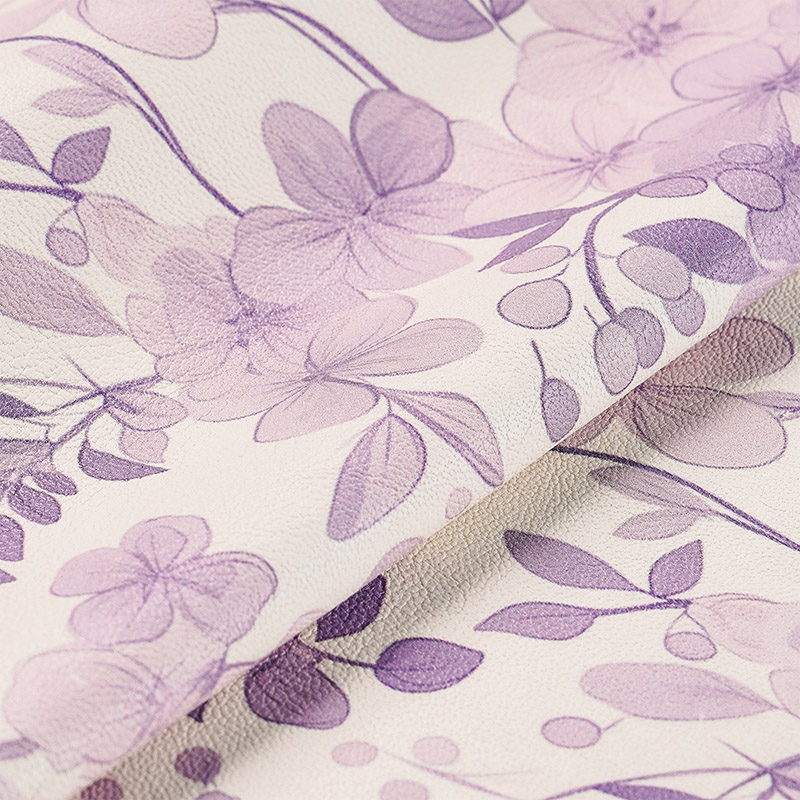
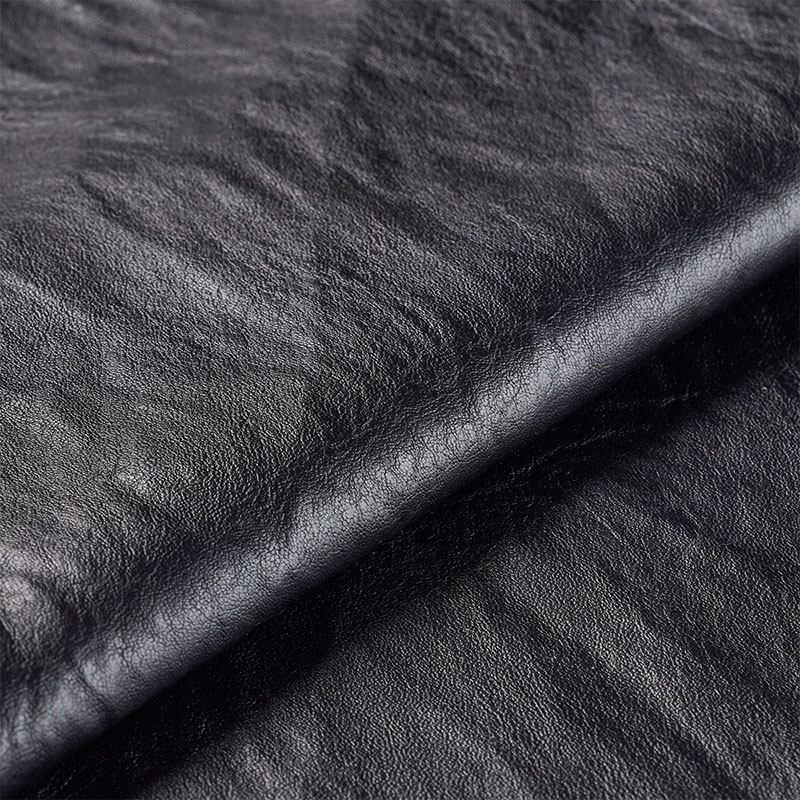
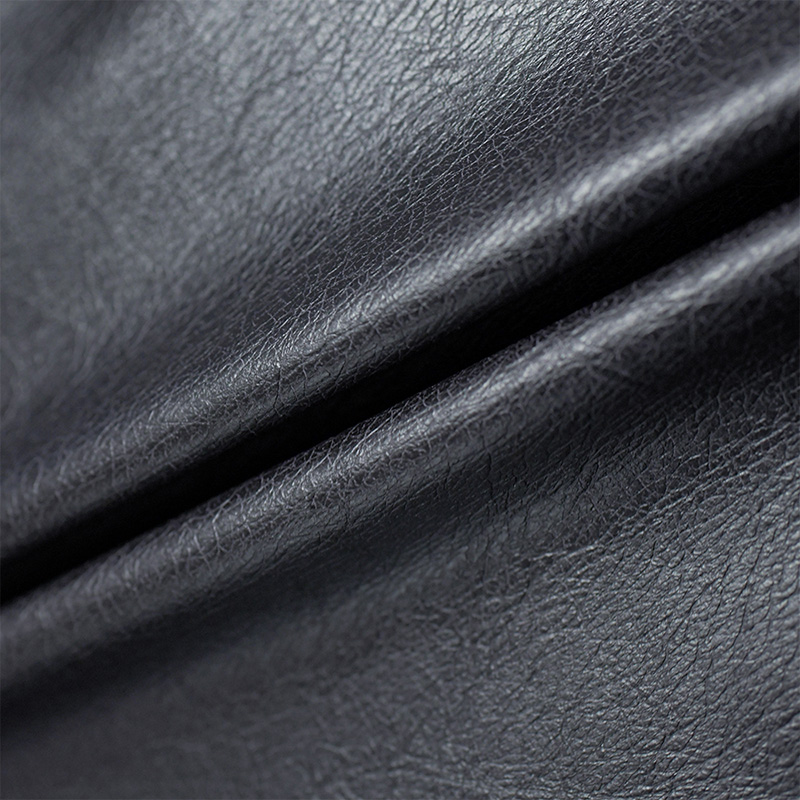
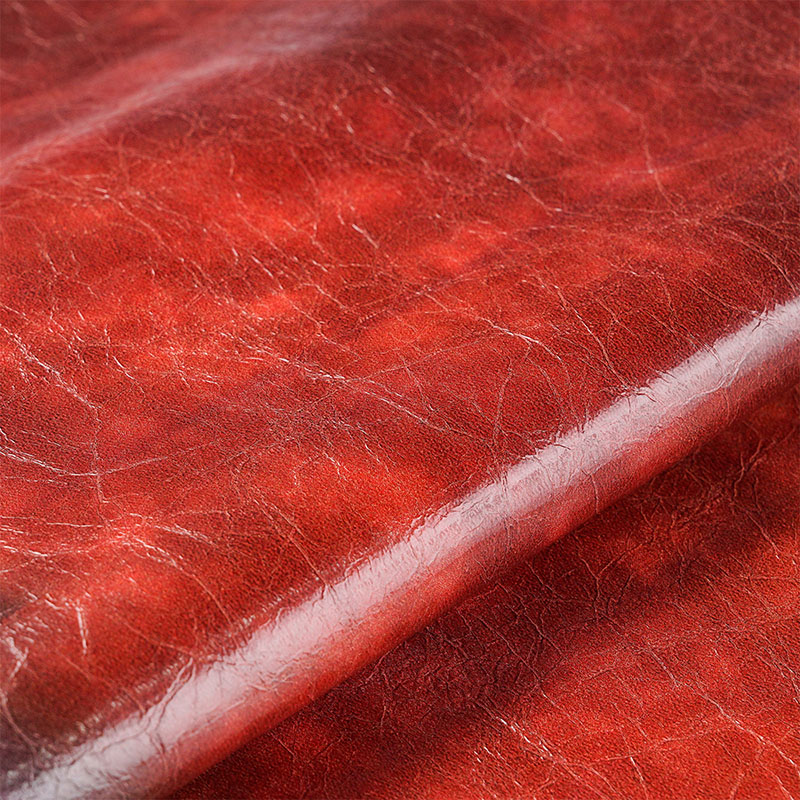
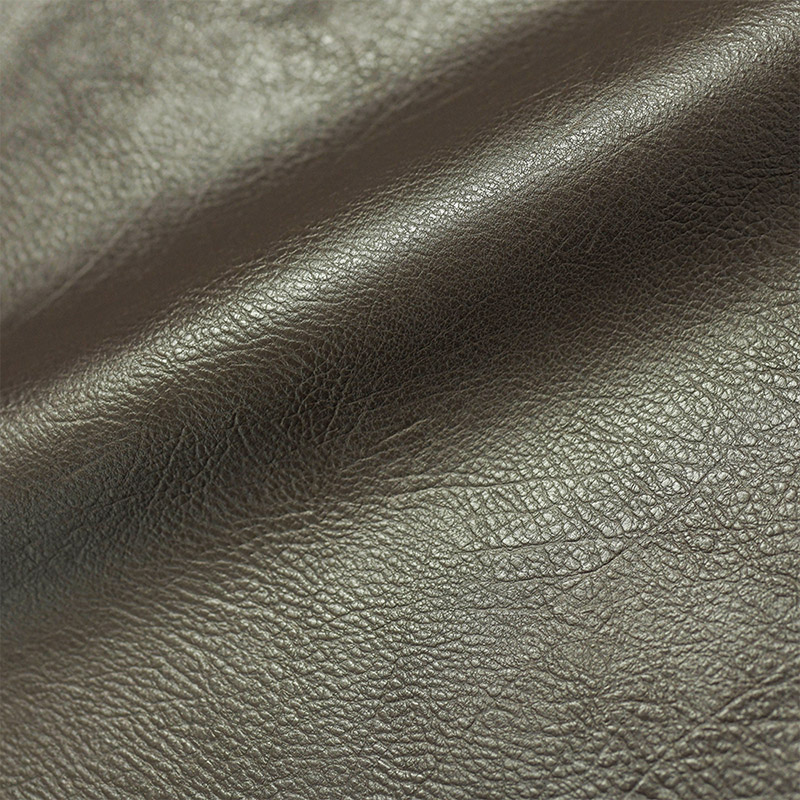
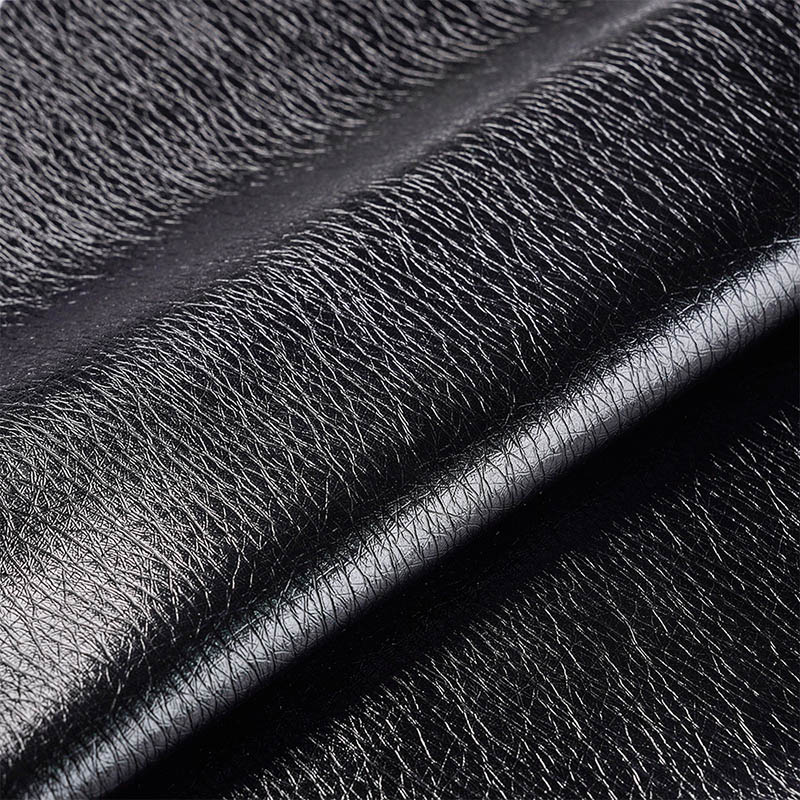
As brands across automotive interiors, furniture, footwear and consumer products look for lower-impact material options, choosing a sustainable substitute is no longer based on environmental claims alone. Buyers also need predictable processing, suitable mechanical performance, consistent appearance and reliable regulatory documentation. High-Performance Synthetic Leatherette Materials are attracting attention because they can combine a familiar leather-like surface with water-based production technologies. For procurement teams, however, the key question is whether the material can maintain its required performance when moved from sampling to regular production.
Start With the Final Application
The right leatherette specification depends heavily on where the material will be used. A decorative furniture panel may require a different balance of softness and abrasion resistance than an automotive seat or footwear upper.
Before requesting samples, buyers should define the actual application, including:
- Expected contact and wear conditions
- Required flexibility and hand feel
- Surface appearance and grain pattern
- Bonding, sewing or cutting methods
- Cleaning and maintenance requirements
This information gives the manufacturer a practical basis for recommending a suitable construction rather than offering a generic material.
Examine More Than the Surface
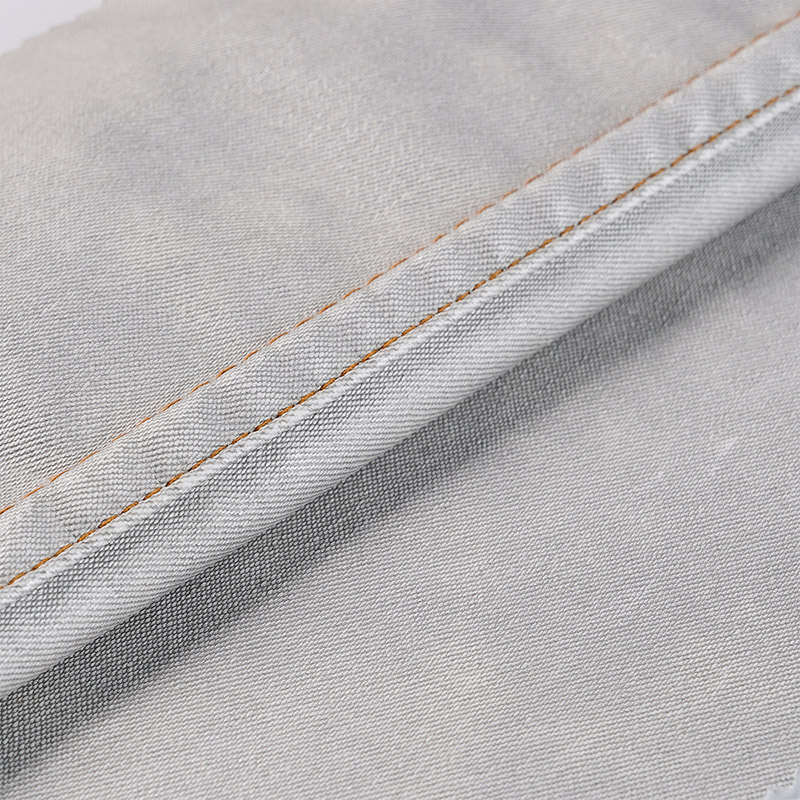
A visually attractive sample is only one part of material evaluation. During technical approval, buyers should examine the relationship between the surface layer, backing structure and overall flexibility.
For example, excessive stiffness may create difficulties during sewing or forming, while insufficient structural support can affect dimensional stability. The material should therefore be tested using the same processing method expected in commercial production.
This is particularly important for brands developing new collections, where material behavior can influence both manufacturing efficiency and the final appearance of the product.
Water-Based Processing Does Not Mean Lower Performance
One common purchasing concern is whether a water-based leatherette can deliver the mechanical properties required for demanding applications. The answer depends on the formulation, construction and manufacturing controls used by the supplier.
A properly engineered material can be developed around specific requirements such as flexibility, abrasion resistance, surface durability and appearance retention. Buyers should request relevant technical information and evaluate samples under realistic conditions instead of assuming that production technology alone determines performance.
The objective is to find a material that meets the application requirements while also supporting the brand's sustainability direction.
Batch Consistency Deserves Early Attention
A material may pass an initial sample evaluation but still create problems if production batches vary in color, grain, thickness or physical properties.
For international procurement, consistency should therefore be discussed before mass production begins. Important points can include color references, surface standards, thickness tolerances, backing specifications and inspection procedures.
At our manufacturing side, these requirements are easier to manage when technical specifications are established clearly before production. A defined reference sample also gives both the buyer and supplier a common basis for future orders.
Check Compliance Documentation
Sustainability-related material claims are receiving greater attention from global brands and their supply chains. Buyers increasingly need information that can support internal material assessments and customer-facing claims.
Depending on the intended market and application, procurement teams may need to review information related to restricted substances, chemical composition, production processes or traceability.
Rather than relying on broad environmental descriptions, buyers should ask manufacturers for the documentation relevant to their specific project. Clear records make material qualification easier and reduce uncertainty when products move into different international markets.
Evaluate Production Compatibility
A material can meet laboratory requirements and still require adjustment during manufacturing. Cutting, sewing, laminating, thermoforming and bonding may each place different demands on leatherette.
Before approving a large order, manufacturers and buyers can conduct a production trial using representative equipment and processing conditions. This helps identify issues such as:
- Edge behavior during cutting
- Surface response during sewing
- Adhesion during lamination
- Flexibility during forming
- Appearance after repeated handling
Testing the material within the intended manufacturing process provides more useful information than evaluating a sample in isolation.
Choose a Supplier That Can Support Development
For brands developing sustainable product lines, material sourcing is increasingly becoming a technical collaboration rather than a simple purchasing transaction. The supplier needs to understand the required appearance, performance, processing method and compliance expectations.
A capable Water-Based Leatherette Factory should be able to discuss material construction, customization, sample development and production consistency while providing technical information that supports procurement decisions. For buyers seeking High-Performance Synthetic Leatherette Materials, this application-focused approach can make it easier to move from an attractive sample to a dependable commercial material that fits both product requirements and evolving sustainability goals.