 English
 中文简体
中文简体 日本語
日本語 Español
The synthetic leather industry is entering a very different phase from the one that shaped it decades ago. In the past, most manufacturers competed primarily on production volume, price advantage, and the ability to imitate genuine leather visually. Today, those factors still matter, but they are no longer enough on their own.
The conversation around synthetic materials has expanded. Buyers now ask where materials come from, how they are manufactured, what chemicals are involved, and how long products remain usable before replacement. This shift has brought growing attention to both the modern PU Leather Factory and the development of Sustainable Vegan Leather.
What once functioned mainly as a leather substitute is gradually becoming a more sophisticated material category with its own technological direction, environmental goals, and design identity.
The Meaning of “Sustainable” in Vegan Leather Is Changing
A few years ago, many products were labeled vegan simply because they did not contain animal-derived materials. That definition is no longer considered complete.
Today, sustainable vegan leather is evaluated through a much broader lens.
Manufacturers and buyers increasingly examine:
- coating systems
- raw material sourcing
- production emissions
- material durability
- recycling potential
- energy consumption during manufacturing
- long-term product lifespan
This means a vegan material is not automatically considered sustainable simply because it replaces natural leather.
The focus has shifted toward how responsibly the material is produced and how efficiently it performs over time.
Why PU Leather Remains Central to the Industry
Despite the emergence of many alternative materials, PU leather continues to dominate large areas of the synthetic leather market.
There are several reasons for this.
PU-based materials can offer:
- softer touch compared with many PVC systems
- lighter weight construction
- flexible surface customization
- strong color consistency
- wide application adaptability
- scalable industrial production
For many industries, polyurethane synthetic leather remains one of the most practical solutions balancing appearance, cost control, and manufacturing flexibility.
As a result, the role of the PU leather factory remains highly important, even as sustainability expectations continue increasing.
The Modern PU Leather Factory Is No Longer Only a Production Site
The image of the traditional factory focused purely on output efficiency is changing rapidly.
Today, advanced PU leather factories are expected to operate as both manufacturing facilities and material development centers.
Many factories now invest heavily in:
- water-based coating technology
- low-VOC production systems
- automated coating precision
- recycled textile integration
- digital surface inspection
- energy-saving curing equipment
The factory itself has become part of the product’s perceived value.
For international buyers, production standards increasingly influence purchasing decisions just as much as the material appearance.
Sustainable Vegan Leather and Consumer Expectations
Consumer perception around synthetic leather has become more nuanced.
In earlier years, many buyers focused mainly on whether a material visually resembled genuine leather. Now, a growing number of consumers also care about:
- how the material feels
- whether it ages well
- if the surface appears overly artificial
- how easy the product is to maintain
- whether the manufacturing process appears responsible
This has pushed manufacturers to improve both aesthetics and production methods simultaneously.
Sustainable vegan leather is increasingly expected to deliver not only ethical positioning, but also premium tactile and visual quality.
Why Material Texture Matters More Than Before
One noticeable trend in modern vegan leather development is the move away from heavily artificial surfaces.
Older synthetic leather often relied on:
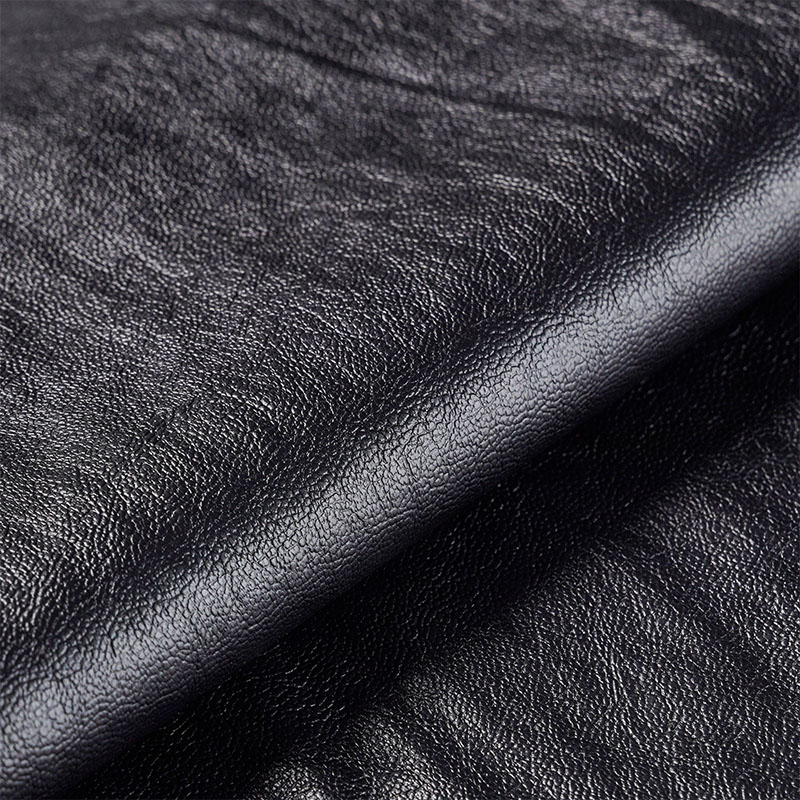
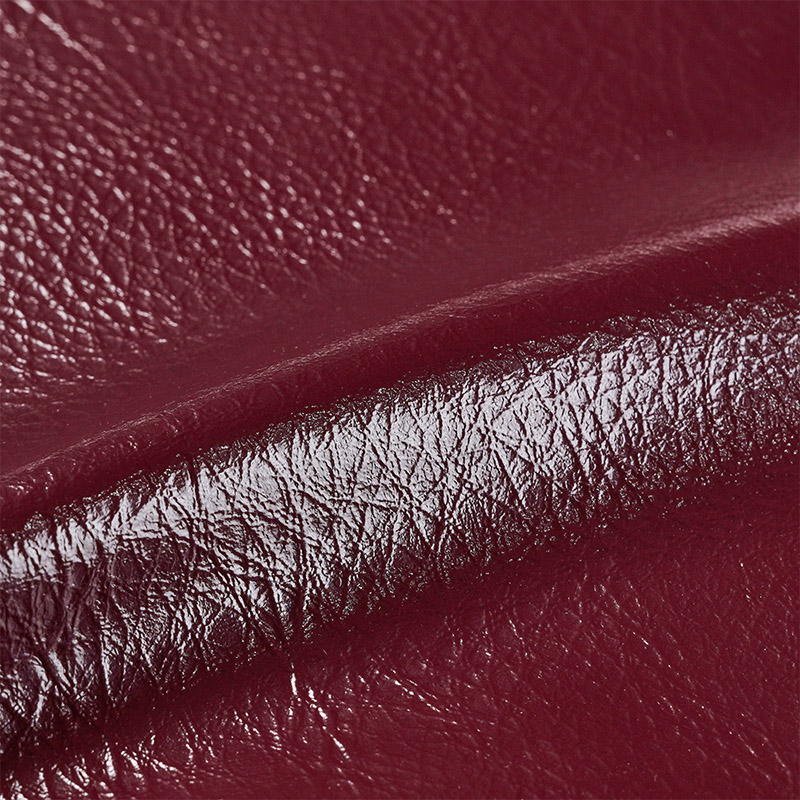
- excessive gloss
- repetitive embossing
- rigid coating structures
- overly uniform texture
Current market preferences are shifting toward:
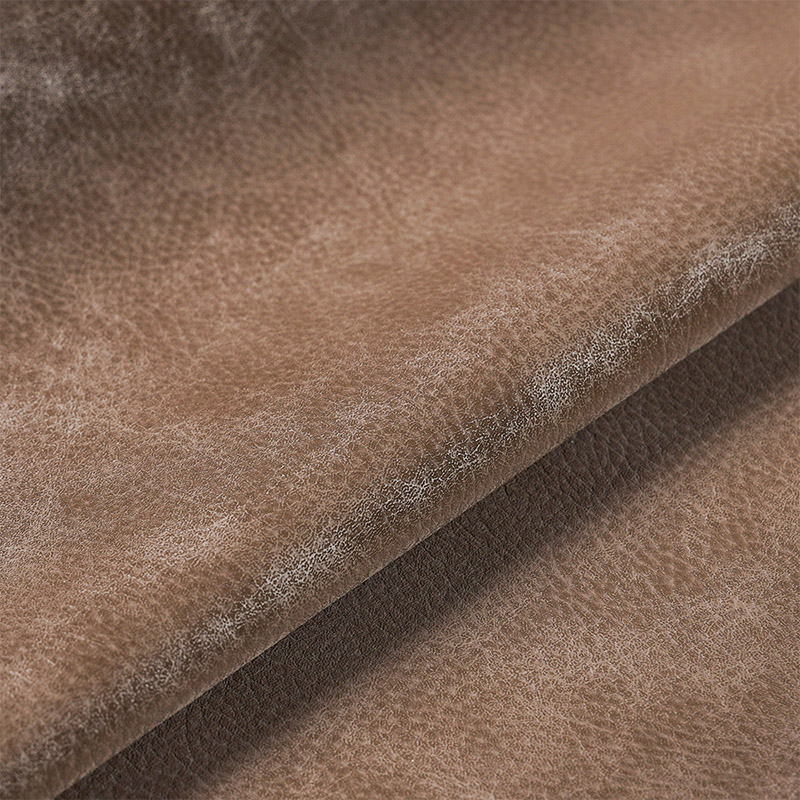
- matte finishes
- softer touch surfaces
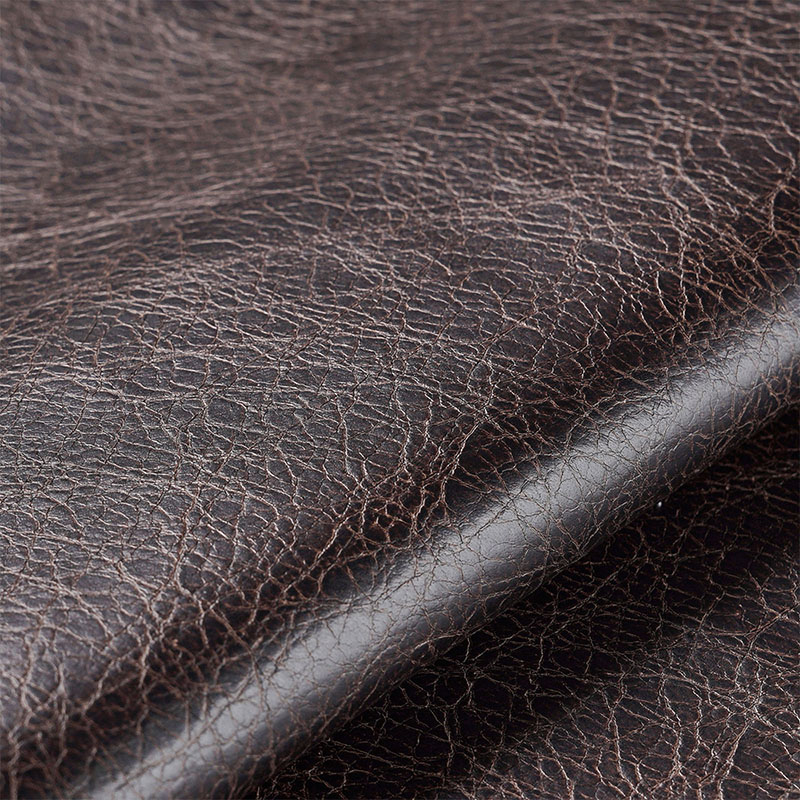
- natural grain movement
- lower visual reflectivity
- more subtle texture depth
This change is especially visible in fashion accessories, furniture, and automotive interiors where consumers increasingly prefer understated material aesthetics.
Water-Based PU Technology Is Reshaping Manufacturing
One of the biggest technical shifts inside the modern PU leather factory is the adoption of water-based polyurethane systems.
Traditional solvent-heavy production methods can create higher environmental impact during manufacturing. Water-based systems help reduce solvent emissions while improving workplace conditions and environmental performance.
This transition is becoming increasingly important as global brands tighten sourcing requirements.
Water-based sustainable vegan leather is now widely used in:
- handbags
- footwear
- upholstery
- automotive interiors
- lifestyle accessories
At the same time, performance improvements have made newer generations of water-based PU significantly softer and more durable than earlier versions.
The Relationship Between Sustainability and Durability
One important issue often overlooked in material discussions is longevity.
A product that wears out quickly may create more waste even if the material itself is marketed as environmentally friendly.
Because of this, many manufacturers now focus heavily on improving:
- abrasion resistance
- flex performance
- color stability
- hydrolysis resistance
- surface aging behavior
Sustainable vegan leather is increasingly judged not only by how it is produced, but also by how long it remains functional in real use conditions.
Durability has become part of sustainability itself.
Why Fashion Brands Are Rethinking Synthetic Leather Suppliers
Fashion brands today face growing pressure from both regulators and consumers regarding material transparency.
As a result, brands increasingly evaluate PU leather factories based on:
- compliance standards
- environmental certifications
- production traceability
- material consistency
- research and development capability
- waste reduction systems
Long-term manufacturing partnerships now depend on more than pricing alone.
Factories capable of offering both stable quality and cleaner production systems are gaining stronger competitive advantages globally.
Sustainable Vegan Leather Beyond Fashion
Although fashion remains a major application area, sustainable vegan leather is expanding into many other industries.
These include:
- hospitality interiors
- office furniture
- consumer electronics accessories
- automotive applications
- architectural decorative surfaces
In these sectors, buyers often prioritize:
- low odor performance
- easy maintenance
- controlled surface appearance
- durability under repeated use
This diversification is pushing manufacturers to create more specialized material systems for different environments.
Recycled Content and Circular Material Development
Many PU leather factories are also experimenting with recycled and partially bio-based material systems.
Current developments include:
- recycled polyester backing fabrics
- recycled polyurethane components
- bio-based polyurethane blends
- reduced waste coating systems
lower energy manufacturing processes
Although fully circular synthetic leather remains technically difficult, the industry is gradually moving toward more resource-efficient production models.
This transition is expected to accelerate over the next decade.
Technology Is Changing How Factories Operate
Modern PU leather production increasingly relies on digital manufacturing systems to improve precision and reduce waste.
Factories now use advanced monitoring technologies for:
- coating thickness control
- embossing consistency
- surface defect detection
- curing temperature management
- automated color matching
These systems improve production stability while reducing unnecessary material loss during manufacturing.
For global supply chains, consistency is especially important because even minor surface differences can affect final product quality significantly.
The Industry Is Moving Toward “Quiet Materials”
An interesting trend in sustainable vegan leather development is the movement toward calmer and more understated surfaces.
Rather than emphasizing dramatic gloss or heavy texture, many modern materials focus on:
- restrained grain detail
- soft matte finishes
- natural light absorption
- subtle tactile variation
This reflects broader design trends in fashion and interiors where materials are expected to support atmosphere rather than dominate visually.
The future of vegan leather may become less about imitation and more about creating its own material language.